Drying long hair can often feel like an endless battle, leading to frizz, breakage, and hours spent waiting for it to air dry or exposing it to damaging heat. If you’re tired of rough cotton towels causing more harm than good, it’s time to discover the revolutionary benefits of a microfiber hair towel. Specifically designed to be gentle yet highly effective, these innovative towels offer a superior drying experience for lengthy locks, helping you achieve healthier, smoother hair with less effort and in less time.
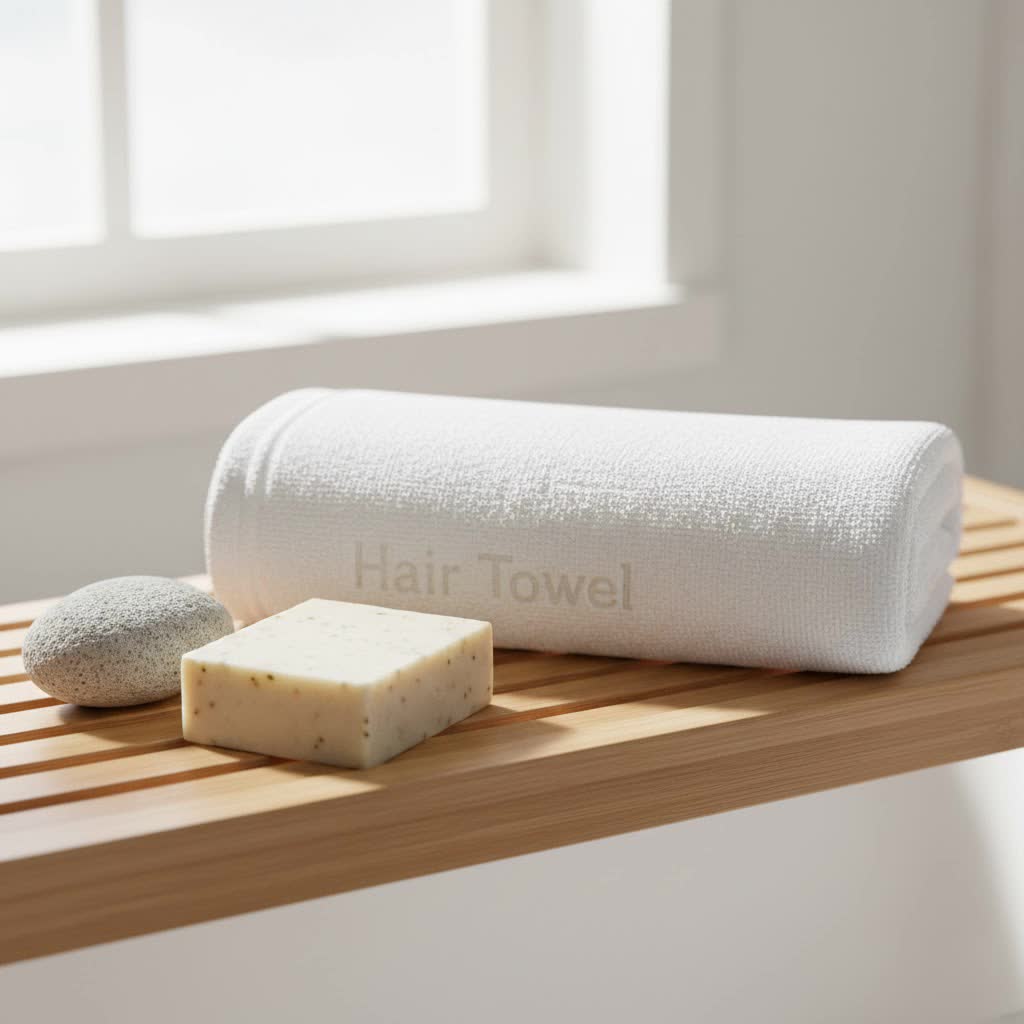
What is a Hair Towel and Why Choose Microfiber?
A hair towel is a specially designed towel, often in a turban or wrap shape, created to absorb excess water from wet hair without causing the friction and damage associated with standard bath towels. While various materials are used, microfiber stands out as a game-changer. Microfiber towels are crafted from ultra-fine synthetic fibers, typically a blend of polyester and polyamide, which are significantly finer than human hair. This unique composition allows them to be incredibly soft, highly absorbent, and exceptionally gentle on delicate wet strands.
For individuals with long hair, the advantages of choosing microfiber are particularly pronounced. Regular cotton bath towels are often heavy, bulky, and have coarse loops that can snag, pull, and rough up the hair’s cuticle, leading to frizz, split ends, and breakage. Their sheer weight can also cause strain on the neck when wrapped. Microfiber towels, in contrast, are lightweight and feature a smooth texture that drastically reduces friction, allowing water to be wicked away quickly and efficiently without disturbing the hair’s natural texture or causing damage. This means faster drying times, less frizz, and a healthier overall appearance for your beautiful long hair.
Types of Hair Towels: A Detailed Look
Understanding the different materials available for hair towels can help you make an informed choice for your hair care routine.
Microfiber Hair Towels
Microfiber hair towels are celebrated for their unparalleled efficiency and hair-friendly properties.
- Advantages: They are supremely absorbent, capable of soaking up far more water than traditional cotton, leading to significantly faster drying times. Their smooth, tightly woven fibers minimize friction, effectively combating frizz, reducing breakage, and promoting healthier hair cuticles. Microfiber towels are also lightweight, making them comfortable to wear, especially for voluminous long hair.
- Disadvantages: Some lower-quality microfiber can occasionally lead to static electricity. They also require specific washing instructions, such as avoiding fabric softeners, to maintain their absorbency.
|
Our Picks for the Best Hair Towel in 2026
As an Amazon Associate I earn from qualifying purchases.
|
||
| Num | Product | Action |
|---|---|---|
| 1 | Kitsch XL Microfiber Hair Towel Wrap for Women - Microfiber Towel, Super Absorbent, Quick Dry, Anti-Frizz - for Long & Short Hairs, Turbans for Women |

|
| 2 | Hair Towel Wrap for Women, Microfiber Towels for Hair with Elastic Band, Large 24 x 42 Inch Hair Plopping Wrap for Curls, Quick Drying Towel Hair Wraps for Women for Home Gym Travel Use |
|
| 3 | Hicober Microfiber Hair Towel Wrap, Fast Drying Hair Towels for Women, Soft Lightweight Quick Dry Turban for Curly & Long Hair–3 Pack(Blue/Grey/Pink) |
|
| 4 | 2 Pack Microfiber Hair Towel Wrap for Women, Anti Frizz Quick Drying Hair Turban for All Hair Style, Absorbent and Lightweight (Beige) |
|
| 5 | 2 Packs Large Microfiber Hair Towels for Women, Super Absorbent & Quick Dry Hair Towel Wrap for Curly Hair Long & Short Hair- Anti-Frizz Hair Turbans for Wet Hair - 27.5''*39.4'' |
|
| 6 | 2 Pack Microfiber Hair Towel Wrap,Hair Drying Towel with Button, Hair Towel Turban,Quick Dry,Anti-frizz,Absorbent Head Towel (Pink&Beige) |
|
| 7 | BEoffer 2 Pack Microfiber Hair Towel - 41 x 24 inches Super Soft, Absorbent, Fast Drying Without Frizz Hair Towel Wrap for Women Long, Thick, Curly Hair - Hair Turbans with Elastic Strap |
|
| 8 | 2PCS Ultra Absorbent Hair Quick Drying Towel, 2026 New Microfiber Hair Towel, Soft Bow Tie Wet Hair Towels Wrap for Women Girls (Rainbow Mix) |
|
| 9 | HOMEXCEL 5 Pack Microfiber Hair Towels - 40 x 20 inches Super Soft, Fast Drying Turbans for Long, Thick, Curly Hair - Anti Frizz Wrap with Elastic Strap |
|
| 10 | Super Absorbent Hair Towel Wrap for Wet Hair, 2026 New Soft Bow Tie Wet Hair Towels Wrap for Women Accessories,Microfiber Hair Towel Wrap Women Quick-Drying Hair Towels (Blue) |
|
Cotton Hair Towels
Cotton remains a widely used material, often appreciated for its natural feel.
- Advantages: Cotton towels are generally soft, natural, and easy to find and wash. High-quality, specialized cotton hair wraps can be gentler than standard terry cloth bath towels.
- Disadvantages: They are typically less absorbent and take longer to dry hair compared to microfiber. The texture, particularly in conventional bath towels, can still create friction, leading to frizz and potential damage, especially for fragile wet hair.
Bamboo Hair Towels
Bamboo fiber has gained popularity as an eco-friendly and luxurious option.
- Advantages: Bamboo towels are exceptionally soft, highly absorbent, and possess natural antibacterial properties, which can help keep the towel fresh. They are also considered a more sustainable choice.
- Disadvantages: Bamboo hair towels tend to be more expensive than cotton or most microfiber options.
Silk Hair Towels
Silk is revered for its smooth texture and gentle properties.
- Advantages: Silk towels are incredibly smooth, which drastically reduces friction and static, helping to preserve hair’s natural moisture and shine. They are excellent for preventing frizz and tangles.
- Disadvantages: Silk is the least absorbent of the materials, meaning hair will take longer to dry. It is also very delicate, requires specialized care, and is significantly more expensive.
Comparing Hair Towel Materials
To help you decide, here’s a comparative overview of the most common hair towel materials:
| Material | Absorbency | Durability | Price | Advantages | Disadvantages |
|---|---|---|---|---|---|
| Microfiber | High | Good | Mid-range | Fast drying, anti-frizz, reduces breakage, lightweight, gentle | Can cause static (rarely), requires specific care |
| Cotton | Medium | Good | Low | Soft, natural, easy to wash | Slower drying, can cause frizz/friction, heavier |
| Bamboo | High | Good | High | Soft, antibacterial, eco-friendly, absorbent | More expensive |
| Silk | Low | Fair | Very High | Reduces friction, retains moisture, prevents frizz | Low absorbency, very delicate, very expensive |
When it comes to long hair, microfiber often emerges as the top choice due to its superior blend of rapid drying, frizz reduction, and lightweight comfort, which are all crucial for managing lengthy strands without damage.
Choosing the Best Microfiber Hair Towel for Long Hair
Selecting the ideal microfiber hair towel involves considering a few key factors to ensure it meets the specific needs of long hair.
Identify Your Hair Type
- Long, Thick Hair: Prioritize towels with maximum absorbency and a generous size to effectively dry dense strands. Look for terms like “ultra-absorbent” or “for thick hair.”
- Long, Fine Hair: Focus on gentle, lightweight options that won’t add extra tension or cause breakage. The primary benefit will be reduced drying time and frizz.
- Long, Curly/Wavy Hair: Frizz prevention is paramount. A smooth microfiber towel will help maintain curl definition and prevent the cuticle from roughing up, which is vital for gorgeous waves and curls.
Consider Size and Weight
For long hair, size matters immensely. A standard hair towel might not fully accommodate all your length and volume. Look for towels explicitly marketed as “large,” “extra-long,” or “for long hair.” Dimensions that comfortably wrap from the nape of your neck to well past your shoulders are ideal. A lightweight design is also important to prevent neck strain, especially when your hair is heavy with water.
Assess Material Quality
Not all microfiber is created equal. Higher quality microfiber will feel softer, be more densely woven, and maintain its absorbency longer. While GSM (Grams per Square Meter) isn’t always listed, reputable brands generally indicate a superior product. Opt for established hair care brands known for their towel quality.
Closure Mechanism
Many microfiber hair towels come with a button-and-loop closure, which is particularly beneficial for securing long hair. This design allows for a snug, comfortable fit that keeps your hair wrapped securely while you go about your routine, preventing slippage that can be common with traditional towel turbans.
Read User Reviews
Always check reviews from other users, especially those with long or similar hair types. Their experiences can provide valuable insights into a towel’s actual performance, durability, and how well it handles large volumes of hair.
How to Use and Care for Your Microfiber Hair Towel
Proper usage and care are essential to maximize the benefits and prolong the life of your microfiber hair towel.
Correct Wrapping for Long Hair
- Gently Blot: After showering, gently squeeze or blot excess water from your hair with your hands before applying the towel. Avoid vigorous rubbing.
- Flip Hair Forward: Bend forward, flipping all your hair over your head.
- Position the Towel: Place the wider end of the microfiber towel at the nape of your neck, ensuring the button is at the back.
- Gather and Twist: Gather all your hair into the narrower, tail end of the towel. Gently twist the towel, keeping your hair bundled inside. Avoid twisting too tightly, which can cause tension.
- Secure the Wrap: Bring the twisted end of the towel back over your head and secure the elastic loop around the button at the nape of your neck.
- Leave to Absorb: Leave the towel on for 5 to 20 minutes, depending on your hair’s thickness and desired dampness. The microfiber will do the work of absorbing the water.
- Release Gently: Once ready, gently unwrap the towel. Avoid harsh tugging or shaking your hair.
Washing and Drying Your Microfiber Hair Towel
To maintain its absorbency and longevity, treat your microfiber towel with care.
- Wash Separately: Wash your microfiber hair towel with similar colors, ideally in a separate load from lint-shedding items like cotton towels.
- Use Cold Water: Wash on a gentle cycle with cold or warm water.
- Avoid Fabric Softener: Fabric softeners can clog the microfiber’s tiny pores, reducing its absorbency. Skip it entirely.
- Use Mild Detergent: Use a small amount of mild liquid detergent.
- Air Dry or Low Heat: Air dry your towel or tumble dry on a low heat setting without dryer sheets. High heat can damage the synthetic fibers.
Top Microfiber Hair Towels for Long Hair
While individual preferences vary, several microfiber hair towels consistently receive high praise for their effectiveness on long hair:
- Luxe Beauty Essentials Microfiber Hair Towel: Often highlighted for its softness and effectiveness, with some versions coming in sizes suitable for varying hair lengths and thickness.
- Aquis Water-Wicking Microfiber Hair Wrap: Known for its “Aquitex” fabric, this wrap is celebrated for its ultra-long design, making it ideal for long and even curly hair, and its ability to absorb water without roughing up strands.
- VOLO Hero Hair Towel: Praised for its large size and custom “nanoweave” microfiber material, it can absorb ten times its weight in water, significantly cutting down drying time for very thick or long hair.
- DuraComfort Essentials Microfiber Hair Towel: This generously sized towel (often around 41 by 24 inches) provides ample room for even the longest, thickest hair, making it a favorite for those who need maximum coverage.
- T3 Luxe Turban Towel: Features a specific tapered design with a long tail to comfortably bundle and secure long lengths, ensuring a perfect fit and efficient drying.
These options demonstrate that with the right design and material, microfiber towels can dramatically improve the hair drying experience for anyone with long hair.
Conclusion
Embracing a microfiber hair towel is a simple yet impactful step towards transforming your hair care routine, especially for long hair. By minimizing friction, speeding up drying, and reducing the risk of damage, these gentle wraps are an indispensable tool for achieving healthier, smoother, and frizz-free locks. Moving away from traditional bath towels empowers your hair to thrive, offering a foundation for better styling and overall hair wellness. Why continue the battle with your old towel when a smoother, faster, and healthier drying experience awaits?
Frequently Asked Questions
How often should I wash my microfiber hair towel?
It’s generally recommended to wash your microfiber hair towel every 2-3 uses to keep it clean and hygienic, especially if you use hair products or have an oily scalp.
Can microfiber towels damage my hair?
No, quite the opposite. High-quality microfiber towels are designed to be gentler than traditional cotton towels, reducing friction, frizz, and breakage, making them beneficial for hair health.
Are all microfiber towels the same?
No, the quality of microfiber can vary. Look for towels from reputable brands that emphasize softness, absorbency, and specific features like button closures or larger sizes for long hair.
Can I sleep with a microfiber hair towel on?
While some people use them to protect hair overnight, microfiber towels are primarily for drying. If you sleep with wet hair, a silk or satin wrap might be a better choice to prevent over-drying or friction over prolonged periods.
How long should I leave a microfiber towel on my hair?
The ideal time ranges from 5 to 20 minutes, depending on your hair’s thickness and how damp you want it to be before air drying or styling. The goal is to remove excess water, not to dry your hair completely.
Is a microfiber towel good for all long hair types?
Yes, microfiber towels are beneficial for virtually all long hair types, including straight, wavy, curly, coily, fine, and thick hair, due to their gentle, highly absorbent, and frizz-reducing properties.
