For years, many of us have relied on traditional bath towels to dry our hair after a shower, often rubbing vigorously in an attempt to speed up the process. What we might not realize is that this seemingly harmless habit can wreak havoc on our delicate strands, leading to frizz, breakage, and dullness. If you’re seeking a simpler, healthier way to care for your hair, it’s time to explore the world of hair towels. This comprehensive guide will walk you through everything you need to know, from understanding the benefits of specialized hair towels to choosing the perfect material and mastering the art of gentle drying for a healthier, happier mane.
What is a Hair Towel?
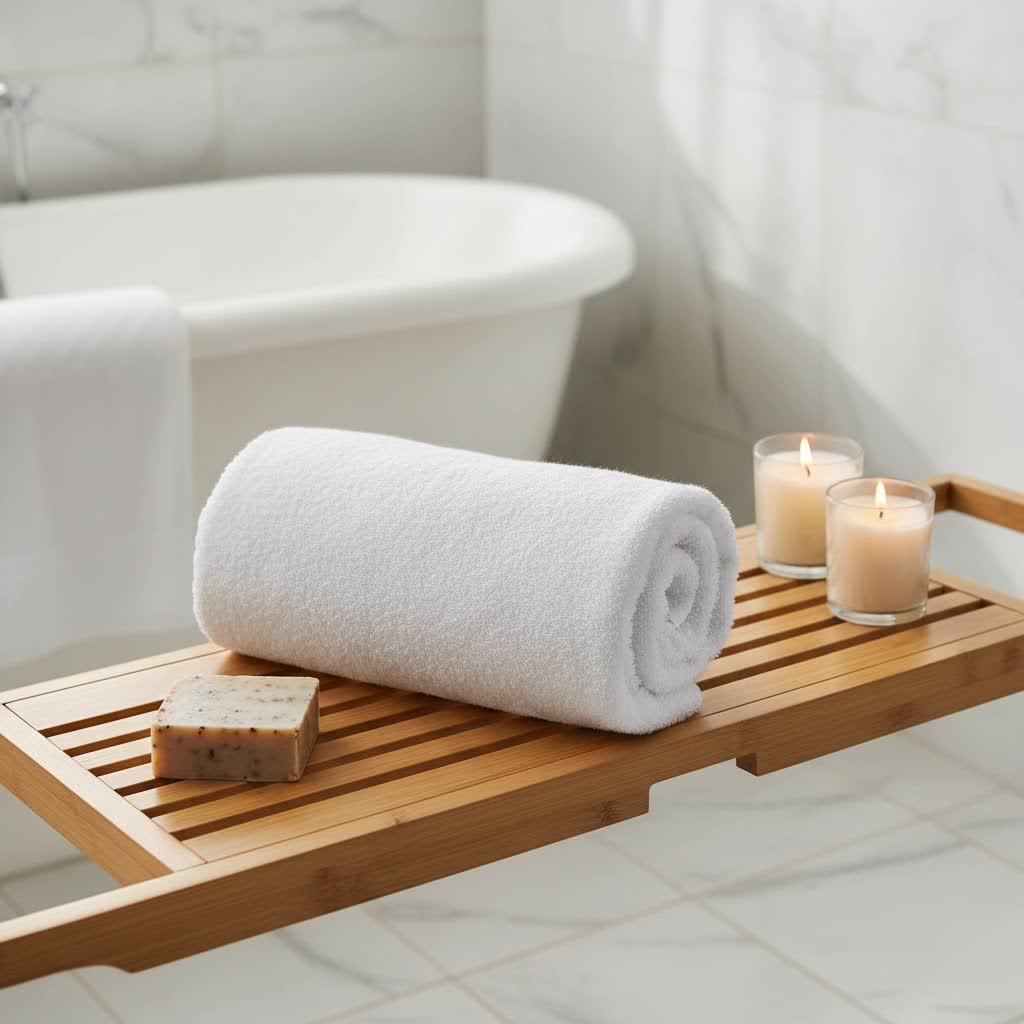
A hair towel is a specifically designed absorbent cloth crafted to dry your hair more efficiently and gently than a standard bath towel. Unlike bulky terrycloth towels, which are often made from rough, looped fibers, hair towels typically feature smoother, finer textures that minimize friction and prevent damage to the hair cuticle. Their primary purpose is to absorb excess moisture quickly without stripping natural oils, reducing frizz, and cutting down on overall drying time.
Why should you consider switching from your regular bath towel? Traditional towels are often too heavy and can create significant friction when rubbed against wet hair. Wet hair is in its most vulnerable state, and the harsh rubbing motion can lift the hair’s cuticles, causing them to snag, fray, and ultimately lead to frizz, split ends, and breakage. The sheer weight of a large bath towel wrapped around your head can also strain your neck and roots. Hair towels, on the other hand, are engineered to be lightweight and much gentler, absorbing water through a blotting or squeezing motion rather than aggressive rubbing, thus protecting your hair’s integrity.
Popular Types of Hair Towels
The market offers a variety of hair towel materials, each with unique benefits and characteristics. Understanding these differences can help you select the best option for your specific hair type and needs.
Microfiber Towels
Microfiber hair towels are perhaps the most popular choice for gentle and efficient hair drying. They are made from ultra-fine synthetic threads, typically a blend of polyester and polyamide, woven into a dense, absorbent fabric.
- Pros: Microfiber is exceptionally absorbent, capable of wicking away moisture much faster than traditional cotton, significantly reducing drying time. Its smooth, fine fibers create less friction, which translates to reduced frizz, fewer tangles, and minimized breakage. They are also lightweight, making them comfortable for extended wear, and suitable for almost all hair types, including fine, thick, curly, and color-treated hair.
- Cons: Some individuals report that microfiber can occasionally generate a slight static charge in their hair. It’s important to wash them correctly to maintain their absorbency.
|
Our Picks for the Best Hair Towel in 2026
As an Amazon Associate I earn from qualifying purchases.
|
||
| Num | Product | Action |
|---|---|---|
| 1 | 2PCS Ultra Absorbent Hair Quick Drying Towel, 2026 New Microfiber Hair Towel, Soft Bow Tie Wet Hair Towels Wrap for Women Girls (Rainbow Mix) |

|
| 2 | Super Absorbent Hair Towel Wrap for Wet Hair, 2026 New Soft Bow Tie Wet Hair Towels Wrap for Women Accessories,Microfiber Hair Towel Wrap Women Quick-Drying Hair Towels (Blue) |
|
| 3 | Hicober Microfiber Hair Towel Wrap, Fast Drying Hair Towels for Women, Soft Lightweight Quick Dry Turban for Curly & Long Hair–3 Pack(Blue/Grey/Pink) |
|
| 4 | 2 Pack Microfiber Hair Towel Wrap for Women, Anti Frizz Quick Drying Hair Turban for All Hair Style, Absorbent and Lightweight (Beige) |
|
| 5 | 2 Pack Microfiber Hair Towel Wrap,Hair Drying Towel with Button, Hair Towel Turban,Quick Dry,Anti-frizz,Absorbent Head Towel (Pink&Beige) |
|
| 6 | 2 Packs Large Microfiber Hair Towels for Women, Super Absorbent & Quick Dry Hair Towel Wrap for Curly Hair Long & Short Hair- Anti-Frizz Hair Turbans for Wet Hair - 27.5''*39.4'' |
|
| 7 | HOMEXCEL 5 Pack Microfiber Hair Towels - 40 x 20 inches Super Soft, Fast Drying Turbans for Long, Thick, Curly Hair - Anti Frizz Wrap with Elastic Strap |
|
| 8 | Hair Towel Wrap for Women, Microfiber Towels for Hair with Elastic Band, Large 24 x 42 Inch Hair Plopping Wrap for Curls, Quick Drying Towel Hair Wraps for Women for Home Gym Travel Use |
|
| 9 | BEoffer 2 Pack Microfiber Hair Towel - 41 x 24 inches Super Soft, Absorbent, Fast Drying Without Frizz Hair Towel Wrap for Women Long, Thick, Curly Hair - Hair Turbans with Elastic Strap |
|
| 10 | Kitsch XL Microfiber Hair Towel Wrap for Women - Microfiber Towel, Super Absorbent, Quick Dry, Anti-Frizz - for Long & Short Hairs, Turbans for Women |
|
Cotton Towels
While traditional coarse cotton bath towels can be damaging, specialized cotton hair towels or even soft cotton t-shirts can be a gentler alternative.
- Pros: Cotton is a natural, breathable, and soft material that is widely available and easy to wash. For those with sensitivities, 100% cotton can be a preferred natural fiber. When crafted into a smooth, thin hair wrap, it offers a softer touch than a standard bath towel.
- Cons: Regular cotton bath towels have a looped texture that can still snag hair and create more friction compared to microfiber. They are generally less absorbent and take longer to dry hair than microfiber alternatives, potentially leaving hair damp for a longer period and increasing the risk of hygral fatigue.
Bamboo Towels
Bamboo towels are gaining popularity as an eco-friendly and luxurious option for hair care. They are made from bamboo fibers, often blended with cotton.
- Pros: Bamboo is naturally soft, incredibly smooth, and highly absorbent, rivaling microfiber in its ability to wick away moisture. It possesses natural antibacterial properties, which can be beneficial for scalp health and keeping the towel fresh. Bamboo is also a sustainable resource, making it an attractive choice for environmentally conscious consumers.
- Cons: Bamboo towels typically come with a higher price tag than microfiber or standard cotton towels.
Silk Towels
Silk hair towels, often in the form of wraps or turbans, offer the ultimate in gentleness and luxury, particularly for those with fragile or delicate hair.
- Pros: Silk has an exceptionally smooth surface that drastically reduces friction, preventing tangles, frizz, and breakage. It’s excellent for retaining hair’s natural moisture, which is crucial for dry, damaged, or curly hair types. Silk also helps preserve hairstyles and prevent bedhead.
- Cons: Silk is the most expensive option and requires delicate care, typically hand washing or a gentle cycle, and air drying. Its absorbency is lower than microfiber or bamboo, meaning it may not wick away as much water, making it more suited for gentle protection and moisture retention rather than rapid drying.
Comparing Hair Towel Materials
To help you decide, here’s a comparative overview of the popular hair towel materials:
| Material | Absorbency | Durability | Cost | Pros | Cons |
|---|---|---|---|---|---|
| Microfiber | High | Good | Medium | Fast drying, reduces frizz, gentle, lightweight | Can cause static (minor) |
| Cotton | Medium | Good | Low | Soft, natural, easy to wash | Slower drying, can cause friction (regular towels) |
| Bamboo | High | Good | High | Eco-friendly, antibacterial, very soft, absorbent | Higher cost |
| Silk | Low | Fair | Very High | Reduces friction, retains moisture, luxurious | Delicate, expensive, difficult care |
How to Choose the Right Hair Towel
Selecting the ideal hair towel involves considering your hair type, lifestyle, and specific hair goals.
Determine Your Hair Type
- Fine or Fragile Hair: Opt for ultra-gentle materials like silk or a very soft, high-quality microfiber. These will minimize friction and prevent further breakage.
- Thick or Long Hair: Microfiber or bamboo towels are excellent choices due to their high absorbency, which will significantly cut down on drying time for voluminous hair.
- Curly or Wavy Hair: Silk or microfiber towels are recommended to reduce frizz and help maintain your natural curl pattern without disturbing it. Avoid rubbing, which can disrupt curls.
- Damaged or Color-Treated Hair: Prioritize materials that offer the least friction and promote moisture retention, such as silk or a gentle microfiber, to prevent further damage and fading.
- Oily or Normal Hair: Most hair towel types will work well. The primary benefit will be reduced frizz and faster drying.
Consider Size and Weight
Choose a towel that is adequately sized to comfortably wrap all of your hair without being overly bulky or heavy. A good hair towel should feel light on your head, reducing strain on your roots and neck.
Material Preferences
Your choice of material should align with your priorities:
- Fast Drying: Microfiber or bamboo.
- Ultimate Gentleness & Moisture Retention: Silk.
- Natural & Eco-Friendly: Bamboo or specialized cotton.
Read User Reviews and Brand Information
Before purchasing, always check customer reviews for insights into a towel’s performance, absorbency, durability, and how it holds up to washing. Look for reputable brands known for quality hair care products.
How to Use and Care for Your Hair Towel Properly
Even the best hair towel won’t deliver its full benefits if not used and cared for correctly.
Correct Usage for Optimal Hair Health
The key to towel drying hair without damage is gentleness:
- Gently Squeeze Excess Water: Before reaching for your hair towel, use your hands to gently squeeze out as much excess water as possible from your hair while still in the shower. This gives your towel a head start and prevents it from becoming saturated too quickly.
- Blot, Don’t Rub: Never rub your hair vigorously with any towel. Instead, gently blot or squeeze sections of your hair with the towel, working from roots to ends. For longer hair, bend forward, flip your hair over, place the towel at the nape of your neck, and twist gently, securing it if it’s a wrap-style towel with a button or loop.
- Leave on for the Right Amount of Time: Leave the towel on for about 10-30 minutes, or until your hair is damp, not soaking wet. The goal is to remove major excess water, allowing hair to air dry or be styled with minimal heat, not to dry it completely. Removing it while still slightly damp prevents over-drying and helps retain natural moisture.
Washing and Maintaining Your Hair Towel
Proper care extends the life and effectiveness of your hair towel:
- Machine Wash Cold/Warm: Most microfiber and cotton hair towels can be machine washed on a gentle cycle with cold or warm water. Avoid hot water, which can damage the fibers.
- Use Gentle Detergent: Opt for a mild detergent and avoid harsh chemicals or fabric softeners, especially for microfiber, as they can clog the fibers and reduce absorbency.
- No Bleach: Bleach can weaken fibers and reduce the towel’s effectiveness.
- Air Dry or Tumble Dry Low: Air drying is ideal for preserving the towel’s integrity. If using a dryer, choose a low-heat or no-heat setting. High heat can damage synthetic fibers in microfiber and make other materials less soft.
- Specific Care for Silk: Silk towels typically require hand washing with a gentle, silk-specific detergent or a very delicate machine cycle. Air dry away from direct sunlight.
Top Hair Towel Features to Look For
While specific product recommendations can become outdated, understanding the common features of top-rated hair towels can guide your purchase:
- Ultra-Absorbent Microfiber: Look for descriptions like “fast-drying,” “super absorbent,” or “quick-dry technology.” These indicate a high-quality microfiber blend designed for maximum water wicking.
- Secure Button-and-Loop Closure: Many popular hair wraps feature a button and elastic loop at the back, allowing you to securely twist and fasten the towel, freeing your hands for other tasks. This design is particularly favored for its convenience and stability.
- Lightweight and Compact Design: The best hair towels are never bulky. They feel light on your head and can be easily packed for travel or gym use.
- Ergonomic Shape: Some towels are contoured to better fit the head, ensuring all hair, especially long hair, is comfortably contained within the wrap.
- Gentle on All Hair Types: Brands often highlight their towels as suitable for curly, fine, thick, or damaged hair, emphasizing their frizz-reducing and breakage-preventing qualities.
Conclusion
Switching to a specialized hair towel is a small change that can make a monumental difference in the health and appearance of your hair. By embracing a gentler drying method and choosing the right material, you can significantly reduce frizz, prevent breakage, and protect your hair’s natural vitality. This simple upgrade to your hair care routine promises softer, smoother, and healthier hair with every wash. Make the switch today and experience the transformative power of a truly gentle dry!
What difference has a hair towel made in your routine?
Frequently Asked Questions
Is towel drying bad for hair?
Towel drying is only bad for hair if done incorrectly. Rubbing vigorously with a coarse bath towel can cause friction, frizz, and breakage. However, using a specialized hair towel with a gentle blotting and squeezing technique is highly beneficial for hair health.
How often should I wash my hair towel?
For optimal hygiene and performance, it’s recommended to wash your hair towel every 2-3 uses. Regular washing prevents product buildup and keeps the fibers fresh and absorbent.
Can I use a regular t-shirt instead of a hair towel?
Yes, a soft, old cotton t-shirt can be an excellent, gentle alternative to a dedicated hair towel, especially if you have curly or fragile hair. Its smooth fibers and less aggressive absorbency can help reduce frizz and damage.
How long should I leave a hair towel on my head?
You should leave a hair towel on for about 10 to 30 minutes, or until your hair is damp rather than soaking wet. The goal is to remove excess water, not to dry your hair completely, allowing for gentler air drying or styling afterwards.
Do hair towels prevent hair loss?
While hair towels do not directly prevent hair loss caused by medical conditions, they significantly reduce mechanical breakage and damage by minimizing friction and harsh rubbing. This can help preserve the hair you have and promote overall hair health, contributing to a fuller appearance.
