Are you tired of battling post-wash frizz, experiencing frustrating hair breakage, and spending an eternity waiting for your hair to air dry or resorting to heat styling that causes further damage? If so, it might be time to revolutionize your hair drying routine. Microfiber Hair Towels have emerged as a game-changer in hair care, offering a gentler, faster, and more effective way to dry your locks. This comprehensive guide will explore everything you need to know about microfiber hair towels, from their unique benefits and how they compare to other materials, to choosing, using, and caring for them, helping you unlock healthier, happier hair.
What is a Microfiber Hair Towel?
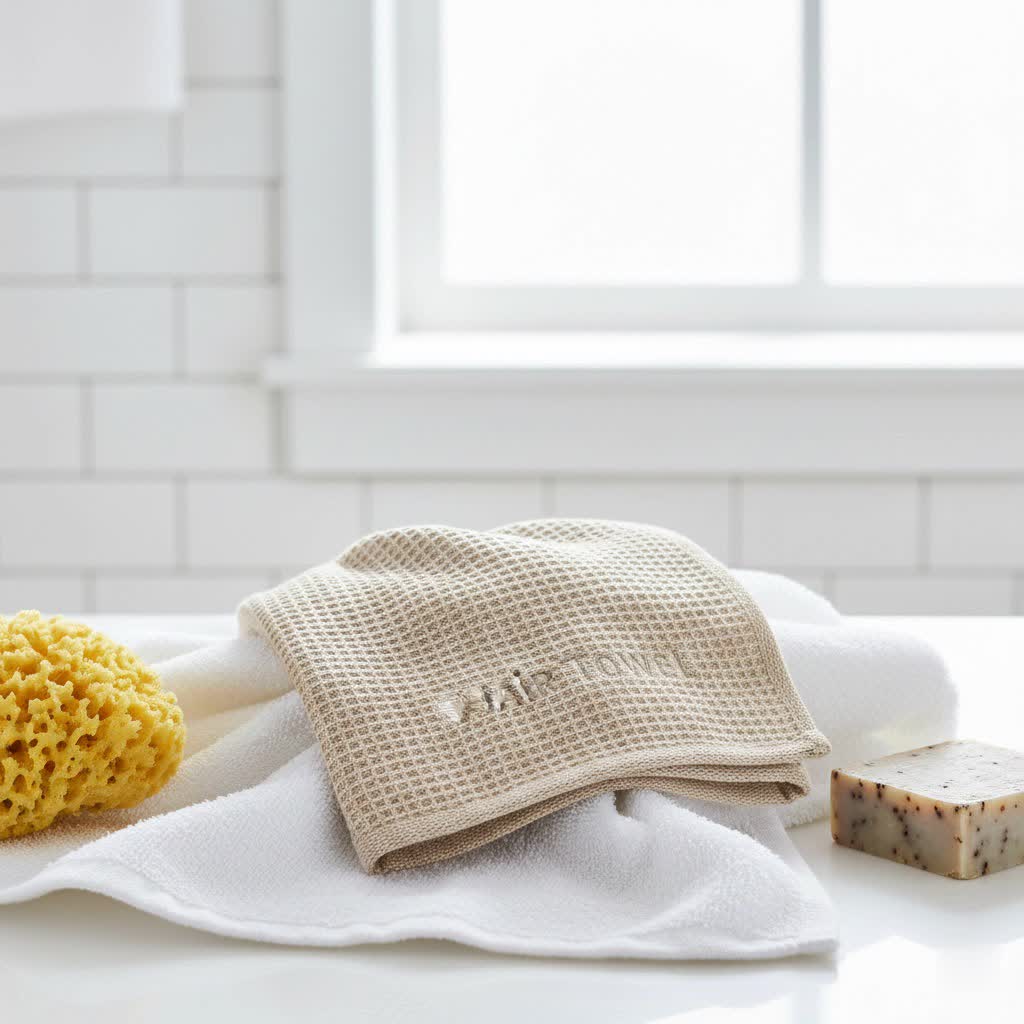
A microfiber hair towel is a specialized hair accessory made from ultra-fine synthetic fibers, typically a blend of polyester and polyamide. These fibers are significantly thinner than human hair, allowing them to be densely packed into a soft, smooth fabric. Unlike traditional cotton towels with their looped, abrasive texture, microfiber towels are engineered to efficiently absorb water while minimizing friction and damage to delicate wet hair. They are designed to quickly draw excess moisture away from your strands without stripping natural oils, making them an essential tool for maintaining hair health and integrity.
Why Choose a Microfiber Hair Towel? Key Benefits
Switching to a microfiber hair towel offers a multitude of benefits that traditional towels simply can’t match, transforming your hair drying experience and contributing to overall hair health.
Faster Drying Time
|
Our Picks for the Best Hair Towel in 2026
As an Amazon Associate I earn from qualifying purchases.
|
||
| Num | Product | Action |
|---|---|---|
| 1 | Hicober Microfiber Hair Towel Wrap, Fast Drying Hair Towels for Women, Soft Lightweight Quick Dry Turban for Curly & Long Hair–3 Pack(Blue/Grey/Pink) |

|
| 2 | Kitsch XL Microfiber Hair Towel Wrap for Women - Microfiber Towel, Super Absorbent, Quick Dry, Anti-Frizz - for Long & Short Hairs, Turbans for Women |
|
| 3 | 2 Pack Microfiber Hair Towel Wrap for Women, Anti Frizz Quick Drying Hair Turban for All Hair Style, Absorbent and Lightweight (Beige) |
|
| 4 | 2 Packs Large Microfiber Hair Towels for Women, Super Absorbent & Quick Dry Hair Towel Wrap for Curly Hair Long & Short Hair- Anti-Frizz Hair Turbans for Wet Hair - 27.5''*39.4'' |
|
| 5 | 2 Pack Microfiber Hair Towel Wrap,Hair Drying Towel with Button, Hair Towel Turban,Quick Dry,Anti-frizz,Absorbent Head Towel (Pink&Beige) |
|
| 6 | HOMEXCEL 5 Pack Microfiber Hair Towels - 40 x 20 inches Super Soft, Fast Drying Turbans for Long, Thick, Curly Hair - Anti Frizz Wrap with Elastic Strap |
|
| 7 | Hair Towel Wrap for Women, Microfiber Towels for Hair with Elastic Band, Large 24 x 42 Inch Hair Plopping Wrap for Curls, Quick Drying Towel Hair Wraps for Women for Home Gym Travel Use |
|
| 8 | Super Absorbent Hair Towel Wrap for Wet Hair, 2026 New Soft Bow Tie Wet Hair Towels Wrap for Women Accessories,Microfiber Hair Towel Wrap Women Quick-Drying Hair Towels (Blue) |
|
| 9 | BEoffer 2 Pack Microfiber Hair Towel - 41 x 24 inches Super Soft, Absorbent, Fast Drying Without Frizz Hair Towel Wrap for Women Long, Thick, Curly Hair - Hair Turbans with Elastic Strap |
|
| 10 | 2PCS Ultra Absorbent Hair Quick Drying Towel, 2026 New Microfiber Hair Towel, Soft Bow Tie Wet Hair Towels Wrap for Women Girls (Rainbow Mix) |
|
One of the most celebrated advantages of microfiber hair towels is their superior absorbency and quick-drying capabilities. The ultra-fine, densely packed fibers create a larger surface area, allowing them to wick away water from your hair much more efficiently than conventional cotton. This can significantly reduce your drying time, often by up to 50%, whether you prefer to air dry or use a blow dryer, ultimately minimizing your hair’s exposure to heat.
Reduces Frizz and Breakage
Traditional cotton towels have a rough texture with tiny loops that can snag and pull on wet hair, roughing up the hair cuticles and leading to frizz and breakage. Microfiber towels, on the other hand, boast a smooth, flat surface that creates far less friction. This gentle contact helps keep the hair cuticle smooth and intact, preventing frizz, tangles, and reducing the risk of stretching and breaking delicate wet strands.
Preserves Hair’s Natural Moisture
While highly absorbent, microfiber towels are designed to remove excess water without completely stripping your hair of its essential natural oils and moisture. This balanced absorption helps prevent over-drying and a condition known as hygral fatigue, where hair becomes weak from repeated expansion and contraction due to too much water. By preserving natural hydration, microfiber towels contribute to softer, healthier, and more resilient hair.
Lightweight and Comfortable
Traditional bath towels can be heavy and bulky, especially when wet, causing strain on your neck when wrapped as a turban. Microfiber hair towels are inherently lightweight and compact. This makes them much more comfortable to wear while your hair dries, allowing you to move freely without discomfort. Their lightweight nature also makes them an ideal, space-saving companion for travel.
Lint-Free Experience
Say goodbye to annoying little bits of lint left behind in your freshly washed hair. Unlike cotton towels, which are prone to shedding fibers, microfiber towels are lint-free. Their tightly woven synthetic construction ensures a clean drying process, leaving your hair smooth and free of unwanted residue.
Suitable for All Hair Types
While all hair types can benefit from the gentle and efficient drying of microfiber towels, certain hair textures find them particularly advantageous. Curly, wavy, thick, coarse, frizzy, fine, fragile, damaged, or color-treated hair often experiences greater improvements in frizz reduction, breakage prevention, and overall health due to microfiber’s gentle nature and moisture-preserving properties.
Microfiber vs. Other Hair Towel Types
Understanding the differences between various hair towel materials can help you make an informed choice for your specific hair needs.
- Microfiber: (As detailed above) Offers superior absorbency, fast drying, minimal friction, excellent for reducing frizz and breakage, lightweight, and preserves natural moisture. It’s a versatile choice for almost everyone.
- Cotton: Often the most common and affordable option. While soft when new, its looped texture can be microscopically rough, leading to increased friction, frizz, and snags on wet hair. Cotton can also be too absorbent for some hair types, potentially stripping essential moisture. It’s heavier and takes longer to dry.
- Bamboo: Known for being natural, eco-friendly, and very soft. Bamboo towels are generally absorbent and breathable, offering a good balance between cotton and microfiber in terms of gentleness and drying speed. They are often more expensive than cotton.
- Silk: Valued for its incredibly smooth surface, silk towels (or wraps) drastically reduce friction, making them excellent for preventing frizz and breakage, especially for delicate or highly textured hair. They focus more on gentle protection and moisture retention rather than rapid water absorption, and tend to be very expensive and require delicate care.
Here’s a comparison of common hair towel materials:
| Feature | Microfiber | Cotton | Bamboo | Silk |
|---|---|---|---|---|
| Material | Synthetic (Polyester, Polyamide) | Natural Fibers | Natural (Bamboo pulp) | Natural (Silk protein) |
| Absorbency | High, efficient | Medium-High (can over-dry) | High, breathable | Low (focus on friction) |
| Drying Time | Fast | Slow | Medium-Fast | Very Slow |
| Friction/Frizz | Very Low | High | Low | Very Low |
| Breakage | Minimal | High risk | Minimal | Minimal |
| Weight | Lightweight | Heavy when wet | Lightweight | Very Lightweight |
| Cost | Mid-range | Low | High | Very High |
| Maintenance | Specific care needed | Easy | Moderate | Delicate |
How to Choose the Right Microfiber Hair Towel
Selecting the perfect microfiber hair towel involves considering your hair type, length, and specific drying needs.
Consider Your Hair Type and Needs
- Curly/Wavy/Frizzy Hair: Look for ultra-smooth microfiber options designed to minimize friction and preserve curl patterns. These will help reduce frizz and enhance definition.
- Thick/Long Hair: You’ll benefit from larger towels or turban wraps with strong absorbency to handle the volume of hair. Ensure the towel can comfortably secure all your hair without feeling too tight.
- Fine/Fragile Hair: Gentleness is paramount. Opt for soft, plush microfiber that won’t pull or snag, preventing further breakage.
- Damaged/Color-Treated Hair: Prioritize towels that emphasize moisture retention and gentle drying to protect the hair’s integrity and color vibrancy.
Size and Fit
Microfiber hair towels come in various forms, including flat towels, wraps, and turbans with buttons or elastic loops. Wraps and turbans are excellent for hands-free drying and securing hair, particularly for those who like to do other tasks while their hair dries. Ensure the size is appropriate for your hair length and thickness, and that any securing mechanism is comfortable and doesn’t pull on your hair or scalp.
Quality of Microfiber
Not all microfiber is created equal. Look for towels that feel soft and plush to the touch, indicating a higher quality weave. Densely packed fibers generally offer better absorbency and durability. Reading product descriptions and reviews can give you insights into the towel’s material composition and feel.
Read Reviews from Other Users
Customer reviews often provide invaluable real-world insights into a product’s performance. Look for feedback from individuals with similar hair types and concerns to yours to gauge effectiveness, durability, and overall satisfaction.
Using and Caring for Your Microfiber Hair Towel Correctly
To maximize the benefits and extend the life of your microfiber hair towel, proper usage and care are essential.
How to Use a Microfiber Hair Towel
The goal is gentle, efficient water removal without causing damage.
- Gently Squeeze Excess Water: After washing, gently press or squeeze excess water from your hair with your hands. Avoid vigorous rubbing or wringing.
- Position the Towel: If using a turban-style wrap, flip your head forward, allowing your wet hair to hang down. Place the wider end of the towel at the nape of your neck, or if it’s a cap-style, place the front edge just above your eyebrows.
- Gather and Twist (Gently): Gather all your hair inside the towel. If it’s a wrap, twist the towel securely around your hair, ensuring it’s snug but not overly tight, to avoid tension on the scalp.
- Secure the Towel: Bring the twisted section back over your head and secure it with the attached button and elastic loop, or by tucking the end into the wrap.
- Leave to Absorb: Leave the towel on for 15 to 30 minutes, or until your hair is damp but no longer dripping. The exact time depends on your hair’s thickness and porosity.
- Avoid Damaging Habits: Never vigorously rub your hair with the towel. Avoid combing or brushing wet hair under the towel, as hair is most fragile when wet.
- Special Techniques:
- Micro-plopping: After applying your styling products, gently scrunch sections of your hair with the towel to absorb excess water and encourage curl formation.
- Plopping: After product application, wrap your hair in the towel as a turban for a maximum of 20 minutes. This helps set your curl pattern and reduces drying time without frizz.
How to Wash and Care for Your Microfiber Hair Towel
Proper maintenance keeps your microfiber towel performing at its best.
- Wash Separately: Always wash your microfiber towels separately from other fabrics, especially cotton, to prevent lint, hair, and dust transfer. Microfiber acts like a magnet, and other materials can shed onto it, reducing its effectiveness.
- Use Gentle Detergent: Opt for a clear liquid detergent that is free of fabric softeners, bleach, or harsh additives. Fabric softeners can clog the microfiber’s tiny pores, diminishing its absorbency.
- Cool or Warm Water, Gentle Cycle: Machine wash in cool or warm water on a gentle or delicate cycle. Avoid hot water, as it can damage the synthetic fibers.
- Air Dry is Best: Air drying your microfiber towel is ideal to preserve its fibers. Hang it on a line or drying rack.
- Low Heat Drying (If Necessary): If you must machine dry, use a low heat setting and remove the towel as soon as it’s dry. High heat can melt or damage the synthetic fibers. Adding dryer balls can help dislodge debris and reduce drying time.
- Avoid Bleach: Chlorine bleach can break down the microfiber material.
Top Microfiber Hair Towel Picks
With many excellent options on the market, here are a few highly-regarded microfiber hair towels known for their effectiveness:
- Coco & Eve Microfibre Hair Towel Wrap: Often praised for its softness, effective frizz reduction, and stylish prints, making your drying routine feel like a mini-vacation.
- Turbie Twist Microfiber Hair Towel: A classic and budget-friendly choice, loved for its simple twist-and-loop design and quick-drying capabilities.
- Kitsch Microfiber Hair Towel: Available in various eco-friendly options and popular designs, this wrap is known for being soft, absorbent, and easy to secure.
- AQUIS Wrap Hair Drying Towel (Lisse): A long-standing favorite, celebrated for its advanced microfiber technology that significantly speeds up drying while being incredibly gentle.
- DevaCurl DevaTowel: Specifically designed with curly hair in mind, this towel helps to define curls and minimize frizz, often recommended for plopping techniques.
These popular choices highlight the range of features available, from specialized designs for certain hair types to focus on quick-drying or eco-friendliness.
Conclusion
Making the switch to a microfiber hair towel is a simple yet impactful change you can make for the health and appearance of your hair. By offering faster drying times, reducing frizz and breakage, and preserving your hair’s natural moisture, these innovative towels address common hair care frustrations. Investing in a quality microfiber towel and adopting correct usage and care practices will undoubtedly lead to smoother, stronger, and more vibrant hair. Experience the difference a gentle drying routine can make, and give your locks the care they truly deserve.
What’s your biggest challenge when drying your hair, and how do you think a microfiber towel could help?
Frequently Asked Questions
How often should I wash my microfiber hair towel?
It’s recommended to wash your microfiber hair towel after every 2-3 uses, or more frequently if you use heavy hair products. Regular washing ensures optimal absorbency and hygiene, preventing product buildup that can hinder its performance.
Can I use a microfiber towel on all hair types?
Yes, microfiber hair towels are beneficial for all hair types. Their gentle, low-friction surface and efficient absorbency make them particularly advantageous for delicate, fine, curly, wavy, thick, or damaged hair, but even straight hair can benefit from reduced frizz and faster drying.
How long should I leave a microfiber hair towel on?
You should leave a microfiber hair towel on for about 15 to 30 minutes. The ideal duration depends on your hair’s thickness and porosity. The goal is to remove excess water until your hair is damp, not completely dry, allowing for gentler air drying or reduced heat styling.
Will a microfiber towel make my hair completely dry?
While microfiber towels are highly absorbent and significantly speed up the drying process, they typically don’t make your hair 100% dry. They are designed to absorb excess water, leaving your hair damp enough for gentle air drying or to minimize blow-drying time, which is healthier for your strands.
What’s the difference between a microfiber hair towel and a t-shirt for drying hair?
Both microfiber towels and cotton t-shirts offer a gentler alternative to traditional bath towels. However, microfiber towels are specifically engineered with ultra-fine, densely packed synthetic fibers for superior water absorption and faster drying, while t-shirts rely on their smooth cotton weave to reduce friction, but are less absorbent and slower drying than microfiber.
