Are you tired of battling frizz, breakage, and endless drying times after every wash? Many of us reach for traditional bath towels or blast our hair with hot air, unknowingly causing damage to our delicate strands. The solution might be simpler and gentler than you think: a Hair Towel Drying Wrap. These specially designed wraps are transforming hair care routines, offering a host of benefits from reduced frizz to faster drying without the harshness. If you’re looking to protect your hair, enhance its natural beauty, and streamline your routine, understanding the world of hair towel wraps is your first step towards a healthier, happier mane.
What is a Hair Towel Drying Wrap?
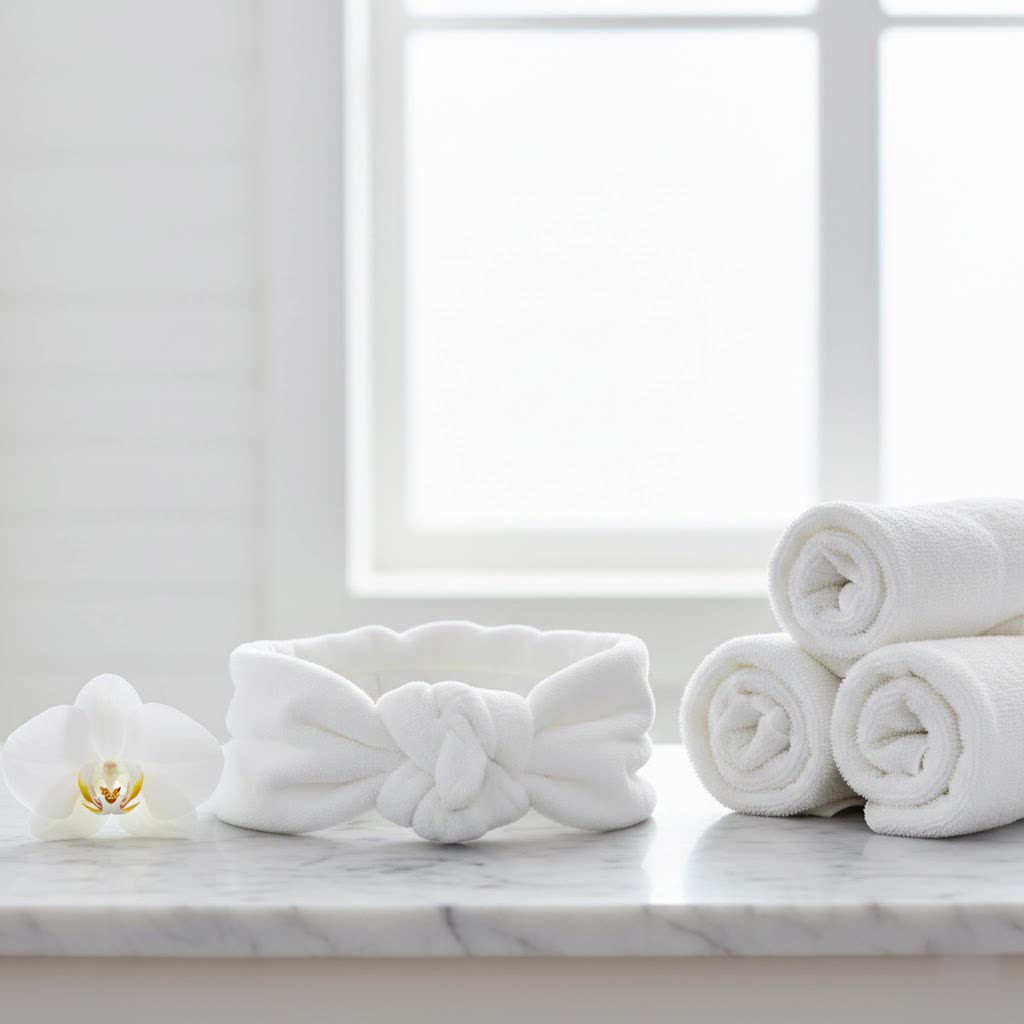
A hair towel drying wrap is a specialized towel designed to absorb moisture from wet hair gently and efficiently, typically worn as a turban or wrap around the head. Unlike bulky conventional bath towels, which can be rough and cause friction, hair towel wraps are made from softer, more absorbent materials that are kind to the hair cuticle. Their primary purpose is to significantly reduce drying time while minimizing damage, frizz, and breakage that can result from vigorous rubbing or excessive heat styling. By securing hair snugly, they free up your hands for other tasks, making them a practical addition to any beauty regimen.
Why Use a Hair Towel Drying Wrap Instead of a Regular Bath Towel?
Traditional bath towels, often made of rough cotton, have fibers that can snag and pull at wet hair, leading to friction that raises the hair cuticle, causes frizz, and contributes to split ends and breakage. Wet hair is in its most vulnerable state, susceptible to stretching and damage. Hair towel wraps, on the other hand, are engineered to absorb water gently without the need for rubbing. This gentle approach helps to keep the hair cuticles smooth, preserving moisture, reducing frizz, and maintaining the hair’s natural texture and integrity. They are also typically lighter, more comfortable, and stay securely in place, unlike heavy bath towels that can slip off.
Popular Types of Hair Towel Drying Wraps
The market offers a variety of hair towel drying wraps, each with unique properties suited to different hair types and needs. Choosing the right material can significantly impact your hair’s health and appearance.
Microfiber Hair Towels
Microfiber towels are perhaps the most popular type of hair wrap.
- Advantages: They are known for their exceptional absorbency and quick-drying properties, thanks to their ultrafine synthetic fibers. Microfiber is lightweight, often reduces drying time by half, and is highly effective at minimizing frizz by gently wicking away moisture without creating friction.
- Disadvantages: Some microfibers can generate static electricity, and they require specific washing instructions to maintain their efficacy, often needing to be washed in cool water and avoiding fabric softeners.
|
Our Picks for the Best Hair Towel in 2026
As an Amazon Associate I earn from qualifying purchases.
|
||
| Num | Product | Action |
|---|---|---|
| 1 | 2 Pack Microfiber Hair Towel Wrap,Hair Drying Towel with Button, Hair Towel Turban,Quick Dry,Anti-frizz,Absorbent Head Towel (Pink&Beige) |

|
| 2 | Hair Towel Wrap for Women, Microfiber Towels for Hair with Elastic Band, Large 24 x 42 Inch Hair Plopping Wrap for Curls, Quick Drying Towel Hair Wraps for Women for Home Gym Travel Use |
|
| 3 | Super Absorbent Hair Towel Wrap for Wet Hair, 2026 New Soft Bow Tie Wet Hair Towels Wrap for Women Accessories,Microfiber Hair Towel Wrap Women Quick-Drying Hair Towels (Blue) |
|
| 4 | 2PCS Ultra Absorbent Hair Quick Drying Towel, 2026 New Microfiber Hair Towel, Soft Bow Tie Wet Hair Towels Wrap for Women Girls (Rainbow Mix) |
|
| 5 | BEoffer 2 Pack Microfiber Hair Towel - 41 x 24 inches Super Soft, Absorbent, Fast Drying Without Frizz Hair Towel Wrap for Women Long, Thick, Curly Hair - Hair Turbans with Elastic Strap |
|
| 6 | 2 Packs Large Microfiber Hair Towels for Women, Super Absorbent & Quick Dry Hair Towel Wrap for Curly Hair Long & Short Hair- Anti-Frizz Hair Turbans for Wet Hair - 27.5''*39.4'' |
|
| 7 | HOMEXCEL 5 Pack Microfiber Hair Towels - 40 x 20 inches Super Soft, Fast Drying Turbans for Long, Thick, Curly Hair - Anti Frizz Wrap with Elastic Strap |
|
| 8 | Kitsch XL Microfiber Hair Towel Wrap for Women - Microfiber Towel, Super Absorbent, Quick Dry, Anti-Frizz - for Long & Short Hairs, Turbans for Women |
|
| 9 | 2 Pack Microfiber Hair Towel Wrap for Women, Anti Frizz Quick Drying Hair Turban for All Hair Style, Absorbent and Lightweight (Beige) |
|
| 10 | Hicober Microfiber Hair Towel Wrap, Fast Drying Hair Towels for Women, Soft Lightweight Quick Dry Turban for Curly & Long Hair–3 Pack(Blue/Grey/Pink) |
|
Cotton Hair Towels
Cotton hair wraps, often softer than traditional bath towels, provide a natural and gentle drying option.
- Advantages: They are soft, natural, breathable, and generally easy to care for. Fine-knit cotton or T-shirt material versions are particularly gentle, making them suitable for damaged or delicate hair.
- Disadvantages: While gentle, cotton can be less absorbent and slower to dry than microfiber. It may not offer the same level of frizz reduction as other specialized materials.
Bamboo Hair Towels
Bamboo fiber is an increasingly popular choice for eco-conscious consumers.
- Advantages: Bamboo hair wraps are incredibly soft, highly absorbent, and possess natural antimicrobial properties, making them hygienic. They are also considered an environmentally friendly option due to bamboo’s sustainable growth.
- Disadvantages: Bamboo hair towels tend to be more expensive than microfiber or standard cotton options.
Silk Hair Towels
Silk hair wraps, while less about intense drying, offer unique benefits, especially for overnight wear.
- Advantages: Silk is incredibly smooth, drastically reducing friction and preventing tangles, frizz, and breakage. It helps to preserve natural oils and moisture in the hair, making it excellent for sensitive, curly, or color-treated hair, and for keeping styles intact overnight.
- Disadvantages: Silk is the least absorbent material for drying purposes, so it won’t dry hair as quickly as microfiber or bamboo. It is also the most expensive and requires delicate care.
Comparing Hair Towel Drying Wraps
Understanding the differences between materials is key to selecting the perfect hair towel wrap. Here’s a comparative overview:
| Material | Absorbency | Durability | Price Range | Advantages | Disadvantages |
|---|---|---|---|---|---|
| Microfiber | High | Good | Medium | Very absorbent, fast-drying, reduces frizz | Can cause static, specific washing needs |
| Cotton | Medium | Good | Low | Soft, natural, breathable, easy to wash | Slower drying, less frizz control |
| Bamboo | High | Good | High | Ultra-soft, antimicrobial, eco-friendly | More expensive |
| Silk | Low | Fair | Very High | Reduces friction, preserves moisture & shine | Low absorbency, delicate care, very expensive |
How to Choose the Right Hair Towel Drying Wrap
Selecting the ideal hair towel wrap depends on your hair type, concerns, and lifestyle.
- Identify Your Hair Type:
- Fine or Damaged Hair: Opt for soft cotton or silk to minimize friction and prevent further damage.
- Thick or Curly Hair: Microfiber or bamboo are excellent choices for their high absorbency and ability to reduce frizz while maintaining curl definition.
- Oily or Normal Hair: Microfiber or bamboo can provide efficient drying without over-drying.
- Color-Treated Hair: Silk helps preserve moisture and color, while bamboo’s gentle nature is also beneficial.
- Consider Size and Weight: Ensure the wrap is large enough to comfortably accommodate your hair length and thickness. A lightweight wrap will be more comfortable to wear while it works its magic.
- Read Reviews: User experiences can provide valuable insights into a product’s real-world performance, absorbency, and durability.
- Brand and Supplier: Reputable brands often offer better quality materials and construction. Look for products with transparent material sourcing.
How to Use and Care for Your Hair Towel Drying Wrap
Proper usage and care will maximize the benefits and extend the life of your hair towel wrap.
How to Use a Hair Towel Drying Wrap:
- Gently Squeeze Excess Water: After washing, gently squeeze out as much water from your hair as possible with your hands. Avoid vigorous rubbing with your hands or a regular towel.
- Flip Your Hair: Bend forward, allowing all your hair to fall in front of your head.
- Position the Towel: Place the wider end of the hair towel wrap at the nape of your neck, ensuring the button (if present) is at the back. Some designs might have the button at the forehead.
- Twist and Wrap: Gather your hair inside the towel, then twist the towel securely around your hair, starting from the ends up to your crown. Ensure it’s firm but not uncomfortably tight to avoid headaches.
- Secure the Wrap: Flip the twisted part back over your head and secure the loop around the button, or tuck the end under the wrap at the nape of your neck.
- Wait and Unwrap: Leave the wrap on for 10-30 minutes, or until your hair is damp rather than dripping wet. The goal is to absorb excess moisture, not to dry your hair completely. Gently unwrap and proceed with your styling routine.
How to Care for Your Hair Towel Drying Wrap:
- Washing: Most hair towel wraps are machine washable. Use a gentle cycle with cold or warm water and a mild, color-safe detergent. Avoid harsh chemicals or bleach, as these can damage the fibers.
- Drying: Air-drying is often recommended to preserve the towel’s absorbency and elasticity. If using a dryer, tumble dry on a low heat setting. High heat can damage delicate fibers like microfiber and silk.
- Avoid Fabric Softeners: Fabric softeners can coat the fibers of microfiber and bamboo towels, reducing their absorbency.
- Separate Washes: Wash hair towels separately or with similar items to prevent lint transfer.
Top Hair Towel Drying Wraps Loved by Users
While specific brands and products frequently change, certain types consistently receive high praise for their effectiveness. Microfiber wraps like the Aquis Lisse Luxe Hair Turban and Turbie Twist are often cited for their fast-drying capabilities and frizz reduction. For those seeking extra gentleness and frizz control, satin-lined microfiber options or pure silk wraps are highly recommended. Many users with curly hair laud brands that specifically cater to maintaining curl patterns and reducing frizz without disturbing their natural texture. Always check current reviews and product specifications to find the best fit for your hair’s unique needs.
Conclusion
Embracing a hair towel drying wrap is a simple yet impactful change that can revolutionize your hair care routine. By moving away from aggressive towel drying and excessive heat, you can significantly reduce damage, minimize frizz, and cut down on drying time. Whether you choose the super-absorbent qualities of microfiber, the natural softness of cotton, the eco-friendliness of bamboo, or the luxurious smoothness of silk, there’s a perfect hair wrap waiting to help you achieve healthier, more vibrant hair. Make the switch today and discover the gentle power of smart hair drying.
Are you ready to give your hair the gentle care it deserves?
Frequently Asked Questions
Can a hair towel drying wrap really reduce frizz?
Yes, hair towel drying wraps significantly reduce frizz by absorbing water gently, which minimizes friction and prevents the hair cuticle from becoming rough, unlike traditional towels that can exacerbate frizz.
How long should I leave a hair towel wrap on?
It’s generally recommended to leave a hair towel wrap on for 10 to 30 minutes, or until your hair is damp rather than soaking wet. The goal is to remove excess moisture without completely drying your hair, which helps prevent over-drying and frizz.
Are hair towel wraps suitable for all hair types?
Yes, there are hair towel wraps designed for all hair types. Microfiber and bamboo are great for thick or curly hair due to their high absorbency, while softer materials like cotton and silk are ideal for fine, damaged, or sensitive hair to prevent friction.
Can I sleep with a hair towel drying wrap on?
While some satin or silk hair wraps are designed for overnight wear to protect hair and retain moisture, most absorbent drying wraps are not intended for sleeping. Leaving a damp wrap on for too long can create an environment for bacteria and may not be beneficial for your hair.
How often should I wash my hair towel drying wrap?
It’s advisable to wash your hair towel drying wrap after every few uses, or more frequently if you use hair products that might transfer to the towel. Regular washing ensures hygiene and maintains the towel’s absorbency.
