Do you ever wonder why your hair still feels frizzy or brittle even after using expensive shampoos and conditioners? The hidden culprit might be hiding in plain sight: your bath towel. Traditional heavy bath towels can wreak havoc on delicate wet strands, leading to damage, frizz, and longer drying times. But what if there was a simple switch that could revolutionize your post-shower routine and promote healthier, shinier hair? Enter the hair towel – a game-changer designed to gently wick away moisture without the harsh effects of rubbing. This comprehensive guide will explore everything you need to know about hair towels, from their benefits and different types to how to choose, use, and care for them, helping you unlock the secret to healthier, happier hair.
What is a Hair Towel?
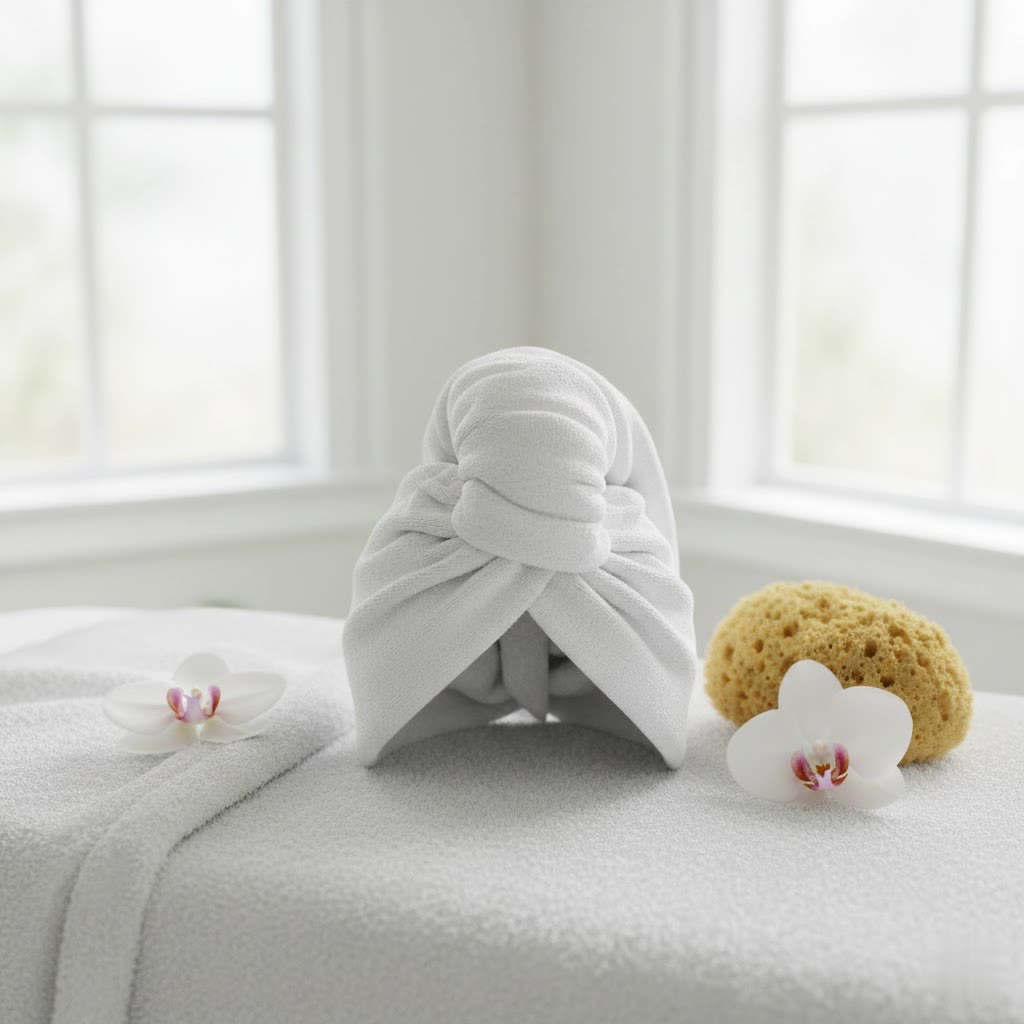
A hair towel is a specially designed towel, typically made from ultra-absorbent, gentle fabrics, intended to dry hair more effectively and less damagingly than a standard bath towel. Unlike bulky terry cloth, hair towels are crafted to be lightweight and create less friction on your hair. This gentle approach is crucial because wet hair is at its most vulnerable, highly susceptible to breakage and damage from vigorous rubbing or the sheer weight of a heavy towel. By minimizing friction and quickly absorbing excess water, hair towels help preserve the hair’s natural cuticle, reducing frizz, preventing split ends, and significantly cutting down on drying time, which in turn reduces the need for heat styling.
Popular Types of Hair Towels and Their Benefits
The world of hair towels offers a variety of materials, each with unique properties to cater to different hair types and concerns. Understanding these differences is key to finding your perfect match.
Microfiber Hair Towels
Microfiber towels are among the most popular choices due to their exceptional performance. Made from ultra-fine synthetic fibers, they offer superior absorbency.
- Pros:
- High Absorbency & Fast Drying: Microfiber can absorb up to seven to ten times its weight in water, significantly reducing drying time.
- Lightweight & Gentle: The fine, densely packed fibers create less friction, minimizing frizz and preventing breakage.
- Durable: With proper care, microfiber towels can withstand numerous washes, offering long-lasting use.
- Versatile: Excellent for all hair types, including fine, thick, curly, and color-treated hair.
- Cons:
- Static Electricity: Some users report increased static, although others find it helps to soothe frizz.
- Specific Care: Requires careful washing, avoiding fabric softeners and high heat to maintain effectiveness.
|
Our Picks for the Best Hair Towel in 2026
As an Amazon Associate I earn from qualifying purchases.
|
||
| Num | Product | Action |
|---|---|---|
| 1 | Hair Towel Wrap for Women, Microfiber Towels for Hair with Elastic Band, Large 24 x 42 Inch Hair Plopping Wrap for Curls, Quick Drying Towel Hair Wraps for Women for Home Gym Travel Use |

|
| 2 | Super Absorbent Hair Towel Wrap for Wet Hair, 2026 New Soft Bow Tie Wet Hair Towels Wrap for Women Accessories,Microfiber Hair Towel Wrap Women Quick-Drying Hair Towels (Blue) |
|
| 3 | 2 Packs Large Microfiber Hair Towels for Women, Super Absorbent & Quick Dry Hair Towel Wrap for Curly Hair Long & Short Hair- Anti-Frizz Hair Turbans for Wet Hair - 27.5''*39.4'' |
|
| 4 | 2 Pack Microfiber Hair Towel Wrap for Women, Anti Frizz Quick Drying Hair Turban for All Hair Style, Absorbent and Lightweight (Beige) |
|
| 5 | Kitsch XL Microfiber Hair Towel Wrap for Women - Microfiber Towel, Super Absorbent, Quick Dry, Anti-Frizz - for Long & Short Hairs, Turbans for Women |
|
| 6 | 2 Pack Microfiber Hair Towel Wrap,Hair Drying Towel with Button, Hair Towel Turban,Quick Dry,Anti-frizz,Absorbent Head Towel (Pink&Beige) |
|
| 7 | BEoffer 2 Pack Microfiber Hair Towel - 41 x 24 inches Super Soft, Absorbent, Fast Drying Without Frizz Hair Towel Wrap for Women Long, Thick, Curly Hair - Hair Turbans with Elastic Strap |
|
| 8 | 2PCS Ultra Absorbent Hair Quick Drying Towel, 2026 New Microfiber Hair Towel, Soft Bow Tie Wet Hair Towels Wrap for Women Girls (Rainbow Mix) |
|
| 9 | Hicober Microfiber Hair Towel Wrap, Fast Drying Hair Towels for Women, Soft Lightweight Quick Dry Turban for Curly & Long Hair–3 Pack(Blue/Grey/Pink) |
|
| 10 | HOMEXCEL 5 Pack Microfiber Hair Towels - 40 x 20 inches Super Soft, Fast Drying Turbans for Long, Thick, Curly Hair - Anti Frizz Wrap with Elastic Strap |
|
Bamboo Hair Towels
An increasingly popular eco-friendly option, bamboo towels are celebrated for their natural softness and sustainable origins.
- Pros:
- Incredibly Soft & Gentle: Bamboo fibers are naturally smooth and round, minimizing friction and breakage.
- Highly Absorbent: Can absorb up to three times its weight in water, leading to faster drying without stripping natural oils.
- Antibacterial & Hypoallergenic: Bamboo naturally inhibits bacterial growth, keeping the towel fresher, and is gentle on sensitive scalps.
- Eco-friendly: Derived from a sustainable and rapidly renewable resource.
- Retains Natural Oils: Helps maintain hair’s natural moisture balance, leading to softer, shinier hair.
- Cons:
- Higher Cost: Generally more expensive than microfiber or cotton alternatives.
Cotton Hair Towels (Soft Cotton/T-shirt Material)
While traditional terry cloth cotton towels are often damaging, softer cotton options, like those made from T-shirt material, can be a gentle alternative.
- Pros:
- Natural & Breathable: A natural fiber that is widely available.
- Gentle (if soft): A soft cotton or old T-shirt can reduce friction compared to thick terry cloth.
- Cons:
- Less Absorbent: Not as efficient at wicking away moisture as microfiber or bamboo, leading to longer drying times.
- Potential for Friction: Even soft cotton can still create some friction, potentially causing frizz and tangles if not used carefully.
Silk/Satin Hair Towels
Often favored for delicate and textured hair, silk and satin towels focus on friction reduction rather than high absorbency.
- Pros:
- Minimal Friction: Exceptionally smooth surface dramatically reduces friction, preventing breakage, frizz, and preserving curl patterns.
- Retains Moisture: Does not strip hair of its natural oils, helping to maintain hydration.
- Ideal for Delicate Hair: Excellent for fragile, curly, or damaged hair types.
- Cons:
- Low Absorbency: Significantly slower drying compared to other materials.
- Expensive & Delicate: Requires very careful handling and washing.
Comparing Hair Towel Materials
Choosing the right hair towel means weighing the pros and cons of each material against your specific hair needs and lifestyle. Here’s a comparative look:
| Material | Absorbency | Frizz Reduction | Durability | Price Range | Best For |
|---|---|---|---|---|---|
| Microfiber | High | Excellent | Good | Mid | All hair types, faster drying |
| Bamboo | High | Excellent | Good | Mid-High | All hair types, sensitive scalp, eco-conscious |
| Soft Cotton | Medium | Good | Good | Low | Damaged/fragile hair, gentle drying |
| Silk/Satin | Low | Excellent | Fair | High | Curly, fragile, color-treated, moisture retention |
How to Choose the Best Hair Towel for Your Hair
Selecting the perfect hair towel can feel overwhelming with so many options. Consider these factors to make an informed decision:
Consider Your Hair Type
- Fine or Fragile Hair: Opt for ultra-gentle materials like silk, satin, or soft bamboo to minimize breakage.
- Thick or Long Hair: High absorbency is key to cut down drying time. Microfiber and bamboo are excellent choices.
- Curly or Wavy Hair: Materials that reduce friction and maintain curl patterns, such as microfiber, bamboo, or silk/satin, are ideal. These help prevent frizz and keep your curls defined.
- Damaged or Color-Treated Hair: Prioritize softness and minimal friction. Bamboo, silk, or a gentle microfiber towel will protect your delicate strands.
Size and Weight of the Towel
Ensure the towel is large enough to comfortably wrap all your hair without being overly bulky or heavy, which can cause strain on your neck and tension at the roots. A lightweight design is essential for comfort and to avoid unnecessary pulling.
Absorbency Needs
If you want significantly faster drying to reduce blow-dry time, microfiber and bamboo are your best bets. If moisture retention and extreme gentleness are top priorities, especially for very dry or fragile hair, silk/satin might be more suitable, despite slower drying.
Budget and Sustainability
Hair towels come in a range of prices. While microfiber is often more affordable, bamboo offers an eco-friendly advantage, though typically at a higher price point. Investing in a durable towel can be cost-effective in the long run.
Read User Reviews
Always check reviews from people with similar hair types. Real-world feedback can provide valuable insights into a towel’s effectiveness, durability, and comfort.
How to Properly Use and Care for Your Hair Towel
Even the best hair towel won’t deliver optimal results if not used and cared for correctly.
Step-by-Step Wrapping Guide
- Gently Blot Excess Water: After washing, gently squeeze out excess water from your hair with your hands. Avoid aggressive rubbing.
- Flip Your Hair Forward: Bend at the waist, allowing all your hair to hang in front of you.
- Position the Towel: For turban-style towels, place the wide end (often with a button or elastic loop) at the nape of your neck, ensuring the towel covers all your hair. For rectangular towels, drape it over your head so it covers your hair from root to tip.
- Gather and Twist: Gather your hair inside the towel and begin gently twisting the towel and hair together. Twist firmly, but not so tightly that it causes discomfort or pulls at your scalp.
- Secure the Wrap: Stand upright and bring the twisted section back over your head. Secure it by looping the elastic around the button (for turban styles) or by tucking the end into the back of the wrap.
- Allow to Dry: Leave the towel on for 10-30 minutes, depending on your hair’s thickness and desired dampness. The goal is to reach a damp, not dry, state before air-drying or styling.
Care and Maintenance
Proper care extends the life and effectiveness of your hair towel.
- Washing: Always follow the manufacturer’s instructions. For microfiber, wash with a mild detergent and avoid fabric softeners, as they can clog the fibers and reduce absorbency. Wash separately from cotton items to prevent lint transfer.
- Drying: Air-dry whenever possible to preserve the fabric’s integrity. If machine drying, use a low heat setting.
- Storage: Store your hair towel in a clean, dry place between uses.
Top Hair Towels You Should Try
The market is rich with excellent hair towel options, each offering unique benefits. Here are a few highly-regarded choices:
- Volo Hero Microfiber Hair Towel: Known for its unique nanoweave fabric, it significantly cuts down drying time and features a secure strap to stay in place.
- DevaCurl DevaTowel: Specifically designed for curly hair, this microfiber towel helps to smooth strands and reduce static while preserving curl patterns.
- Turbie Twist Microfiber Hair Towel Wrap: A classic and budget-friendly option, its turban twist design makes for easy wrapping and hands-free drying.
- Kitsch Satin-Wrapped Hair Towel: Combining microfiber absorbency with a satin lining, this towel is an excellent hybrid choice, particularly beneficial for curly or delicate hair types, offering both moisture-wicking and friction reduction.
“Switching to a gentle hair towel is one of the easiest yet most impactful changes you can make to your hair care routine. It’s about respecting your hair’s fragile state when wet and minimizing unnecessary stress.” – Sophia Chen, Professional Hairstylist
Conclusion
Embracing a dedicated hair towel is a small change with profound benefits for your hair’s health and appearance. By moving away from abrasive bath towels, you actively prevent breakage, reduce frizz, and accelerate drying time, ultimately leading to stronger, shinier, and more manageable hair. Whether you choose the rapid absorbency of microfiber, the natural gentleness of bamboo, or the friction-free glide of silk, selecting the right hair towel for your unique hair type can transform your post-wash routine. It’s an investment in your hair’s well-being, paving the way for healthier locks every day. Are you ready to make the switch and experience the difference?
Frequently Asked Questions
Is it bad to put hair in a towel?
It depends on the towel and how you do it. Using a rough, heavy terry cloth bath towel and aggressively rubbing or twisting your hair can cause significant damage, frizz, and breakage. However, using a specialized hair towel made from gentle, absorbent materials like microfiber or bamboo, and wrapping your hair correctly, is highly beneficial.
How long should you leave hair in a towel?
Generally, you should leave your hair wrapped in a hair towel for about 10 to 30 minutes, or until your hair is damp rather than dripping wet. The goal is to remove excess water without completely drying your hair, which allows for better air-drying or prepares it for styling with minimal heat.
Can I use a regular towel to dry my hair?
While you can, it’s generally not recommended. Regular bath towels, typically made of terry cloth cotton, have a rough texture that creates friction, leading to frizz, breakage, and split ends. They also absorb water less efficiently, prolonging drying time and potentially encouraging hygral fatigue.
What’s the difference between a hair towel and a hair turban?
A hair towel is a general term for any towel designed specifically for hair. A hair turban is a specific style of hair towel, usually tapered with a button and elastic loop, designed to wrap securely around the head in a turban shape for hands-free drying.
Are bamboo towels better than microfiber for hair?
Both bamboo and microfiber towels are excellent choices. Bamboo is often lauded for its natural softness, antibacterial properties, and eco-friendliness, making it ideal for sensitive scalps and those prioritizing natural materials. Microfiber excels in rapid absorbency and durability. The “better” choice often comes down to personal preference, hair type, and values (e.g., sustainability).
