Are you tired of battling frizz, breakage, and endless drying times after every wash? Many of us unknowingly subject our delicate wet hair to harsh treatment with traditional bath towels, leading to damage and dullness. But what if a simple switch could revolutionize your hair care routine, leaving you with smoother, healthier, and quicker-drying locks? Welcome to the world of Hair Drying Towels – specialized tools designed to gently absorb moisture and protect your hair from the moment you step out of the shower. Discover how these innovative towels can transform your hair’s health and enhance its natural beauty.
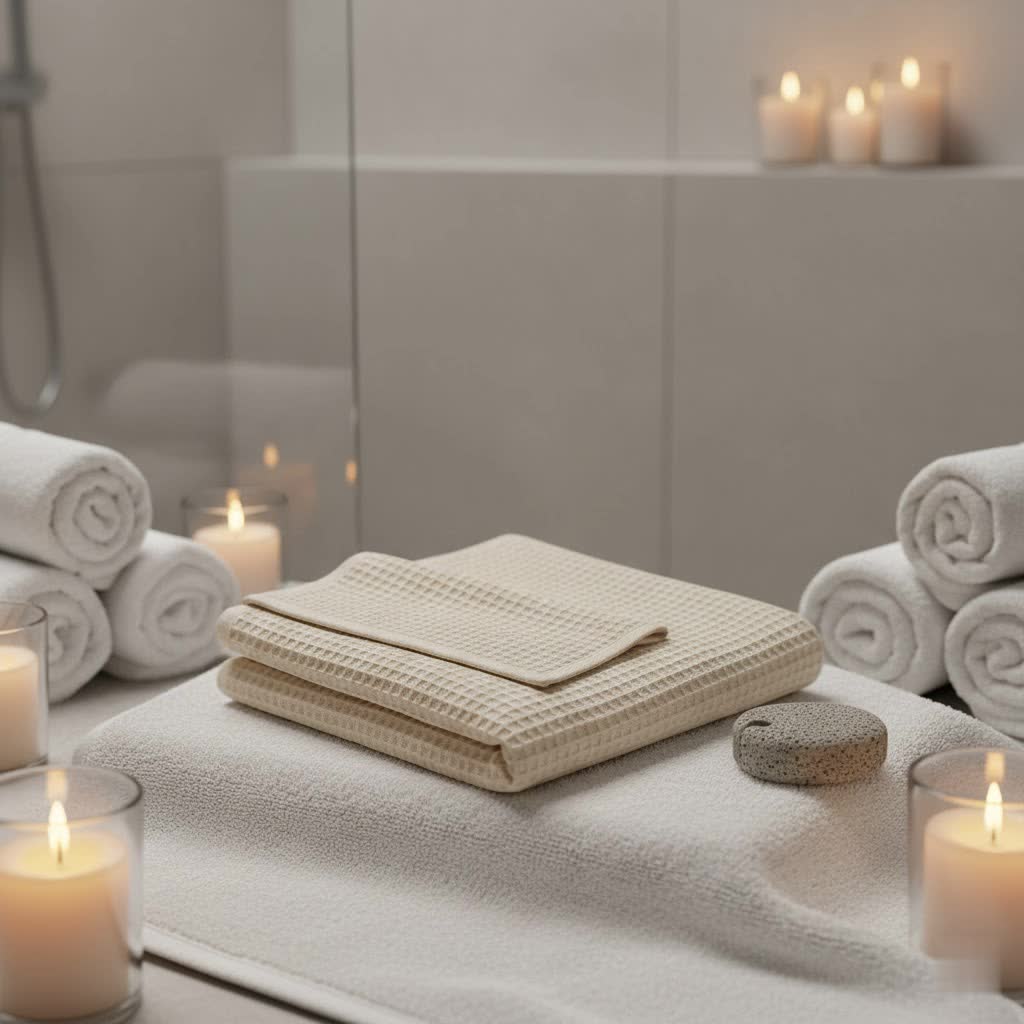
What is a Hair Drying Towel?
A hair drying towel is a specially designed towel crafted from highly absorbent, gentle materials, intended solely for drying hair. Unlike bulky traditional bath towels, which often feature coarse cotton loops, hair drying towels prioritize your hair’s delicate state when wet. Their primary purpose is to quickly and efficiently wick away excess water without causing friction, tangles, or damage to the hair cuticle.
The benefits of swapping your regular towel for a dedicated hair drying towel are numerous. Standard bath towels, with their rough texture and heavy weight, can aggressively rub against hair strands, roughing up the cuticle and stripping away essential moisture. This vigorous action leads to frizz, split ends, and increased susceptibility to breakage. A hair drying towel, conversely, offers a smooth, lightweight embrace that protects your hair, reduces drying time significantly, and sets the stage for healthier, more manageable results.
Popular Types of Hair Drying Towels
The market offers a variety of hair drying towels, each with unique properties catering to different hair types and preferences. Understanding these differences can help you make an informed choice for your specific needs.
Microfiber Towels
Microfiber hair towels are perhaps the most ubiquitous and lauded option in the hair care community. Made from ultra-fine synthetic fibers, typically a blend of polyester and polyamide, their densely packed structure provides an exceptionally large surface area for absorption.
- Advantages: Microfiber excels at absorbing moisture quickly and efficiently, often cutting drying time by up to 50% compared to traditional cotton towels. Its smooth texture creates minimal friction, significantly reducing frizz, tangles, and breakage. These towels are also incredibly lightweight, preventing neck strain, and are suitable for virtually all hair types, particularly beneficial for curly, thick, or damaged strands. Some sources even suggest microfiber’s inherent static electricity can help smooth flyaways.
- Disadvantages: While highly effective, microfiber towels require specific care. They should be washed without fabric softener, as it can clog the fibers and reduce absorbency, and dried on low heat or air-dried to prevent melting the synthetic material. Improper care can diminish their effectiveness and lifespan.
|
Our Picks for the Best Hair Towel in 2026
As an Amazon Associate I earn from qualifying purchases.
|
||
| Num | Product | Action |
|---|---|---|
| 1 | Hair Towel Wrap for Women, Microfiber Towels for Hair with Elastic Band, Large 24 x 42 Inch Hair Plopping Wrap for Curls, Quick Drying Towel Hair Wraps for Women for Home Gym Travel Use |

|
| 2 | 2PCS Ultra Absorbent Hair Quick Drying Towel, 2026 New Microfiber Hair Towel, Soft Bow Tie Wet Hair Towels Wrap for Women Girls (Rainbow Mix) |
|
| 3 | Super Absorbent Hair Towel Wrap for Wet Hair, 2026 New Soft Bow Tie Wet Hair Towels Wrap for Women Accessories,Microfiber Hair Towel Wrap Women Quick-Drying Hair Towels (Blue) |
|
| 4 | HOMEXCEL 5 Pack Microfiber Hair Towels - 40 x 20 inches Super Soft, Fast Drying Turbans for Long, Thick, Curly Hair - Anti Frizz Wrap with Elastic Strap |
|
| 5 | 2 Packs Large Microfiber Hair Towels for Women, Super Absorbent & Quick Dry Hair Towel Wrap for Curly Hair Long & Short Hair- Anti-Frizz Hair Turbans for Wet Hair - 27.5''*39.4'' |
|
| 6 | Hicober Microfiber Hair Towel Wrap, Fast Drying Hair Towels for Women, Soft Lightweight Quick Dry Turban for Curly & Long Hair–3 Pack(Blue/Grey/Pink) |
|
| 7 | BEoffer 2 Pack Microfiber Hair Towel - 41 x 24 inches Super Soft, Absorbent, Fast Drying Without Frizz Hair Towel Wrap for Women Long, Thick, Curly Hair - Hair Turbans with Elastic Strap |
|
| 8 | Kitsch XL Microfiber Hair Towel Wrap for Women - Microfiber Towel, Super Absorbent, Quick Dry, Anti-Frizz - for Long & Short Hairs, Turbans for Women |
|
| 9 | 2 Pack Microfiber Hair Towel Wrap,Hair Drying Towel with Button, Hair Towel Turban,Quick Dry,Anti-frizz,Absorbent Head Towel (Pink&Beige) |
|
| 10 | 2 Pack Microfiber Hair Towel Wrap for Women, Anti Frizz Quick Drying Hair Turban for All Hair Style, Absorbent and Lightweight (Beige) |
|
Cotton Towels
When it comes to cotton, it’s crucial to distinguish between traditional terry cloth bath towels and specialized soft cotton hair towels or even a simple cotton T-shirt.
- Traditional Terry Cloth: These are generally not recommended for hair drying. Their large, rough loops create excessive friction, snagging hair strands, roughing up the cuticle, and contributing to frizz and breakage. Their bulkiness and weight can also cause undue stress on the hair roots and neck.
- Soft Cotton/T-shirt Material: A softer, flatter weave of cotton, similar to that found in an old T-shirt, can be a gentler alternative.
- Advantages: Soft cotton is natural, breathable, and generally inexpensive. It’s easy to wash and can be a good choice for those seeking a natural fiber option that is less damaging than terry cloth.
- Disadvantages: While softer, cotton is typically less absorbent and slower drying than microfiber. It may still cause some friction compared to smoother materials, and in very porous hair, it can contribute to a cycle of “hygral fatigue” by rapidly absorbing and then releasing moisture.
Bamboo Towels
Bamboo towels, often labeled as bamboo viscose or rayon, are a rising star in eco-conscious hair care. These towels are made from bamboo fibers, known for their sustainable cultivation and natural properties.
- Advantages: Bamboo fabric is remarkably soft, naturally hypoallergenic, and boasts inherent antibacterial and odor-resistant properties, making it an excellent choice for sensitive scalps. It is highly absorbent, often surpassing cotton, and is an eco-friendly, biodegradable option. Its gentle nature helps reduce frizz and is kind to all hair types.
- Disadvantages: Bamboo towels can be more expensive than microfiber or cotton. Due to their high absorbency, they can sometimes feel heavier when fully wet and may take a bit longer to air dry compared to lightweight microfiber.
Silk Towels
Silk, or its synthetic counterpart satin, offers a luxurious and exceptionally gentle option, though its primary role is often more protective than strictly drying.
- Advantages: Silk is incredibly smooth, creating virtually no friction or tugging on hair strands. This makes it superb for reducing frizz, preventing breakage, and maintaining hair’s natural moisture balance. It’s particularly beneficial for delicate, curly, or color-treated hair, helping to preserve curl patterns and keep styles intact. Silk hair wraps are also excellent for overnight protection.
- Disadvantages: Silk is not as absorbent as microfiber or bamboo, meaning it won’t significantly speed up drying time on its own. It is also the most expensive option and requires delicate care and specific washing instructions to maintain its integrity.
Comparing Different Hair Drying Towel Materials
To help you visualize the distinctions, here’s a comparison of the most common hair towel materials:
| Material | Absorbency | Durability | Price Range | Key Advantages | Key Disadvantages |
|---|---|---|---|---|---|
| Microfiber | High | Good | Mid | Fast drying, frizz reduction, gentle, lightweight | Can cause static, specific washing care required |
| Cotton | Moderate | Good | Low | Natural, soft (if good quality), affordable | Slower drying, less effective frizz control |
| Bamboo | High | Good | Mid-High | Eco-friendly, antibacterial, very soft | Can be heavier, slightly longer to self-dry, higher price |
| Silk/Satin | Low | Moderate | High | Minimal friction, preserves moisture, luxurious | Not primarily for drying, delicate care, very expensive |
How to Choose the Right Hair Drying Towel for You
Selecting the perfect hair drying towel depends heavily on your individual hair type, concerns, and lifestyle. Consider these factors to make the best choice:
Identify Your Hair Type
- Fine or Thin Hair: Opt for a lightweight microfiber towel. Its gentle yet effective absorption will prevent breakage and static, which fine hair is prone to, without weighing it down.
- Thick or Coarse Hair: Look for a large, highly absorbent towel, such as a high-quality microfiber or bamboo blend. These materials will help significantly reduce drying time for hair that retains a lot of water, minimizing the need for heat styling.
- Curly or Wavy Hair: Microfiber towels are excellent for curly hair as they minimize friction and help maintain curl definition, preventing frizz. Silk or satin options are also fantastic for preserving natural curl patterns and moisture, especially for “plopping.”
- Damaged or Fragile Hair: The gentlest options are paramount here. A soft cotton T-shirt, a high-quality microfiber, or a silk/satin wrap will reduce friction and protect vulnerable strands from further breakage.
Consider Size and Weight
Ensure the towel is large enough to comfortably wrap and secure all your hair without feeling overly tight or bulky. For very long or thick hair, an oversized wrap or turban with a button closure is ideal. A lightweight towel is crucial to prevent neck strain and avoid pulling on your hair roots, especially when your hair is wet and at its most fragile.
Choose the Right Material
Your material choice should align with your priorities:
- For fast drying and frizz reduction, microfiber is generally king.
- For eco-friendliness and natural antibacterial properties, bamboo is an excellent choice.
- For ultimate gentleness and moisture preservation (especially for delicate or curly hair), silk or soft cotton can be highly beneficial.
Read User Reviews
Always check reviews from other users, especially those with similar hair types. Their experiences can offer valuable insights into a towel’s absorbency, fit, durability, and overall effectiveness.
Research Brands and Suppliers
Investing in a quality hair towel means it will last longer and perform better. Look for reputable brands known for their commitment to hair health and product quality.
How to Use and Care for Your Hair Drying Towel Properly
Even the best hair towel won’t deliver optimal results if not used and cared for correctly.
Proper Hair Wrapping Techniques
- Gently Squeeze: After washing, gently squeeze excess water from your hair with your hands before reaching for the towel. Avoid vigorous rubbing.
- Flip and Wrap: Flip your head upside down, positioning the towel’s widest part at the nape of your neck. Gather all your hair inside the towel.
- Twist and Secure: Gently twist the towel, keeping your hair bundled inside. Bring the twisted end up over your head and secure it with a button, loop, or by tucking it in. Avoid pulling too tightly, which can cause tension on your hairline.
- Blot, Don’t Rub: Instead of rubbing, gently pat or squeeze your hair through the towel. For curly hair, “plopping” (allowing curls to sit undisturbed in the towel atop your head) can enhance definition.
- Remove When Damp: Leave the towel on for about 10-20 minutes, or until your hair is damp, not completely dry. This helps prevent over-drying and retains some moisture essential for styling.
Washing and Maintaining Your Towel
Proper care extends the life and effectiveness of your hair towel:
- Follow Care Labels: Always check the manufacturer’s instructions for specific washing guidelines.
- Wash Gently: Most hair towels, especially microfiber and bamboo, benefit from a gentle wash cycle with cold or warm water.
- Avoid Fabric Softeners: Fabric softeners can clog the fibers of microfiber towels, reducing their absorbency. They can also leave a residue on bamboo and cotton.
- Air Dry or Low Heat: For microfiber, air drying is preferred, or use the lowest heat setting on your dryer. High heat can damage the synthetic fibers. Bamboo and cotton can typically handle slightly higher heat but air drying is always gentler.
- Wash Separately: To prevent lint transfer, especially with microfiber, wash hair towels separately from lint-shedding items like terry cloth towels.
Top Hair Towel Qualities for a Healthier Mane
While specific brand recommendations can vary by market and personal preference, understanding the qualities that make a hair towel exceptional will guide your choice. Look for towels that feature a unique “nanoweave” or “waffle-weave” microfiber fabric for superior absorption and ultimate gentleness. Many popular options come in a convenient turban twist design with a secure button or elastic loop closure, ensuring the towel stays in place while you continue your post-shower routine. Those specifically designed for curly hair often highlight their ability to maintain natural curl patterns and minimize frizz without disrupting the hair’s delicate structure. Ultimately, the best hair drying towels are those that combine high absorbency, a soft touch, lightweight comfort, and a secure fit, transforming the way you dry your hair.
Conclusion
The journey to healthier, more beautiful hair often begins with the simplest changes to your routine. Switching to a dedicated hair drying towel is one such impactful step. By choosing a towel made from gentle, ultra-absorbent materials like microfiber, bamboo, or even soft cotton, you can drastically reduce frizz, prevent breakage, and cut down your drying time. This small investment can lead to significant improvements in your hair’s overall health, texture, and appearance. So, are you ready to upgrade your hair care and experience the difference a quality hair drying towel can make? Your hair will thank you.
Frequently Asked Questions
What’s the main difference between a hair drying towel and a regular bath towel?
The primary difference lies in their material and design. Hair drying towels are crafted from ultra-fine, highly absorbent fabrics like microfiber or bamboo, which are much gentler on wet hair. Regular bath towels, typically made of coarser cotton terry cloth, can cause friction, frizz, and breakage due to their rough texture and heavy weight.
Can a hair towel cause static electricity?
Some microfiber towels, due to their synthetic nature, can sometimes generate static electricity. However, many modern designs are engineered to minimize this. In some cases, the static can even help smooth down flyaways. If static is a concern, consider a bamboo or silk towel, or ensure your microfiber towel is high quality and specifically designed to reduce static.
How often should I wash my hair drying towel?
It’s generally recommended to wash your hair drying towel after every 2-3 uses, or more frequently if you use hair products that transfer to the towel. Regular washing prevents product buildup, maintains hygiene, and ensures the towel remains maximally absorbent.
Are bamboo hair towels truly better for the environment?
Yes, bamboo is considered a more sustainable resource than conventional cotton. Bamboo grows quickly, requires less water, and typically doesn’t need pesticides. Bamboo-derived fabrics are also biodegradable. Choosing a bamboo hair towel can be a more eco-friendly option for your hair care routine.
Is a silk hair towel good for drying?
While silk hair towels are incredibly gentle and excellent for reducing friction, preventing frizz, and preserving hair moisture, they are not as absorbent as microfiber or bamboo. Therefore, a silk towel is best used for delicate blotting, protecting hair, or for “plopping” curly hair, rather than for rapid, aggressive drying.
