Drying your hair can often feel like a battle against frizz, breakage, and endless waiting. Many of us have grown up vigorously rubbing our wet strands with a standard bath towel, unknowingly causing more harm than good. But what if there was a simple switch that could transform your hair care routine, leading to healthier, smoother, and quicker-drying hair? Enter the microfiber hair towel, a game-changer for anyone looking to elevate their post-wash ritual. This guide will walk you through everything you need to know about microfiber hair towels, from their unique benefits to how to choose and use them for optimal results.
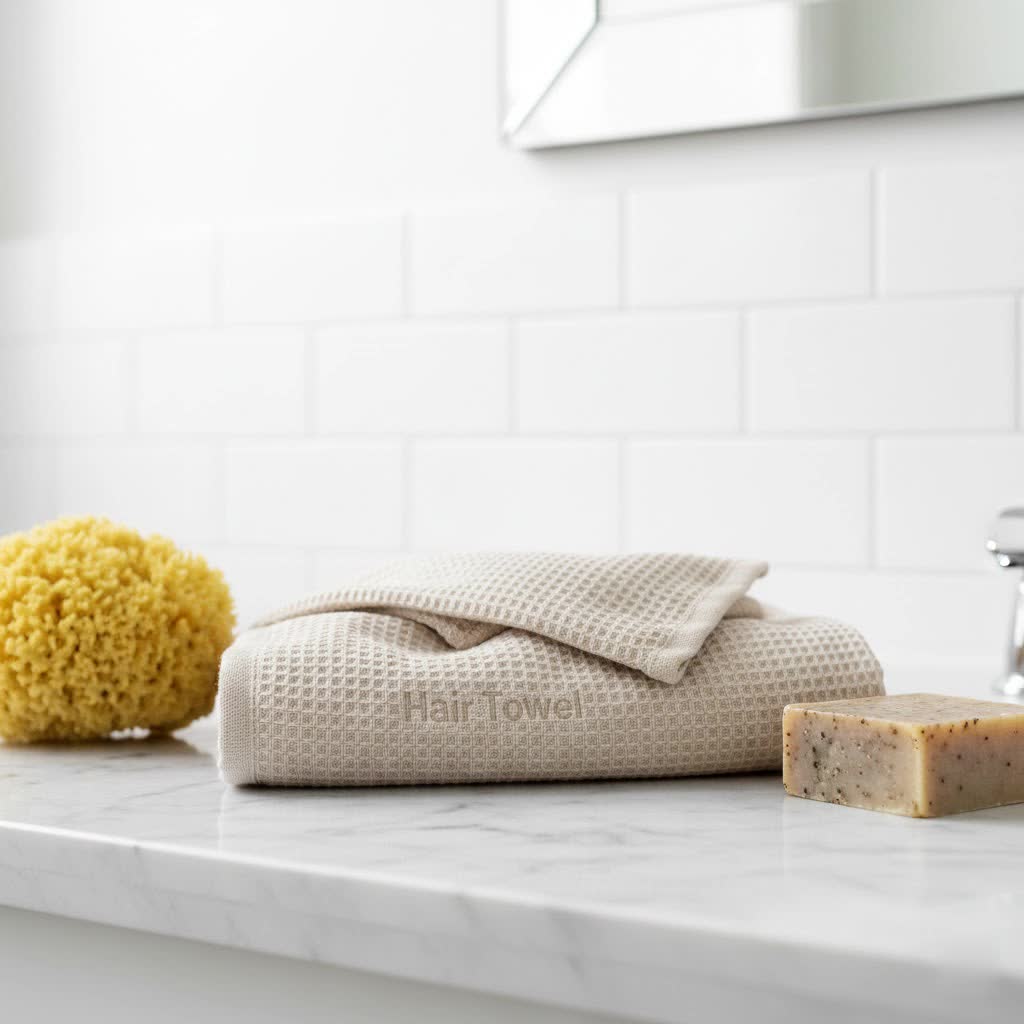
What is a Hair Towel and Why Choose Microfiber?
A hair towel is specifically designed to dry your hair more efficiently and gently than a traditional bath towel. While regular bath towels are often made from cotton terry cloth, which can be rough and absorbent, they are not optimized for delicate hair strands. Hair is most vulnerable when wet, and the friction from a coarse cotton towel can lead to snagging, breakage, and a ruffled cuticle layer, resulting in frizz and dullness.
Microfiber hair towels, however, offer a superior alternative due to their unique composition. Microfiber consists of ultra-fine synthetic threads, typically polyester and polyamide, which are densely woven together. These minuscule fibers create a larger surface area than cotton, allowing them to absorb water much more rapidly and effectively without the need for harsh rubbing.
The primary advantages of choosing microfiber over traditional cotton are manifold:
- Exceptional Absorbency: Microfiber’s dense structure allows it to wick away a significant amount of water from your hair in a fraction of the time, dramatically cutting down drying time.
- Reduced Friction and Frizz: Unlike the looped texture of cotton, microfiber has a smooth surface that minimizes friction against the hair cuticle. This gentler action helps to keep the cuticle flat, resulting in noticeably less frizz and a smoother finish.
- Prevention of Breakage: By reducing friction and eliminating the need for aggressive rubbing, microfiber towels prevent the stretching, snagging, and damage that often lead to hair breakage, especially when hair is in its fragile wet state.
- Lightweight and Comfortable: Microfiber towels are typically much lighter than their cotton counterparts, making them more comfortable to wear as a turban wrap.
- No Lint Residue: Microfiber doesn’t shed lint, ensuring your hair remains clean and free of tiny fibers that can cause tangles.
- Avoids Overdrying: While highly absorbent, quality microfiber towels are designed to absorb excess moisture while preserving the essential hydration your hair needs, preventing the overly dry, straw-like feeling that can sometimes result from cotton towels.
Popular Types of Hair Towels
While microfiber is often considered the gold standard, various materials are used for hair towels, each with unique properties.
- Microfiber Towel:
- Pros: As detailed above, microfiber excels in high absorbency, quick-drying capabilities, gentleness, and significant frizz reduction. It’s lightweight and ideal for speeding up the drying process while protecting hair from damage.
- Cons: Some individuals might experience static electricity, especially in dry environments. Improper use, such as aggressive rubbing or leaving it on for too long, can still lead to frizz. A small number of users with very fine hair might find certain microfibers too clingy.
- Cotton Towel: (Traditional bath towel)
- Pros: Cotton is a natural fiber, generally soft for the body, and readily available.
- Cons: The rough, looped texture of cotton creates significant friction against wet hair, leading to frizz, tangles, and breakage. It’s also less absorbent and slower to dry compared to microfiber, often leaving lint behind.
- Bamboo Towel:
- Pros: Known for being exceptionally soft, sustainable, and naturally antimicrobial. Bamboo towels also offer good absorbency and are gentle on hair.
- Cons: They are generally more expensive than cotton or basic microfiber towels.
- Silk Towel/Wrap:
- Pros: Silk is incredibly smooth and gentle, minimizing friction to the absolute maximum. It helps retain hair’s natural moisture, making it excellent for preventing frizz and maintaining hair health, especially for fragile or curly hair.
- Cons: Silk is not highly absorbent and is therefore primarily used for protecting hair and reducing friction rather than active drying. It’s also very expensive and requires delicate care.
Comparing Hair Towel Materials
Here’s a comparison to help you understand the differences between popular hair towel materials:
| Material | Absorbency | Gentleness | Drying Speed | Durability | Price Range | Key Advantages | Potential Disadvantages |
|---|---|---|---|---|---|---|---|
| Microfiber | High | Very High | Fast | Good | Mid | Frizz reduction, fast drying, gentle | Can cause static, some find it clingy |
| Cotton | Medium | Low/Medium | Slow | High | Low | Natural, familiar | Causes frizz/breakage, slower drying, leaves lint |
| Bamboo | High | High | Fast | Good | Mid/High | Eco-friendly, soft, antimicrobial, absorbent | Higher cost |
| Silk | Low | Very High | Very Slow | Medium | Very High | Ultimate friction reduction, moisture retention | Not for active drying, very expensive, delicate care |
How to Choose the Right Hair Towel
Selecting the perfect hair towel depends largely on your individual hair type and needs.
- Determine Your Hair Type:
- Fine/Thin Hair: Look for lightweight, ultra-soft microfiber to avoid weighing down your hair or creating static. A less aggressive drying action can prevent flatness.
- Thick/Coarse Hair: Prioritize high absorbency microfiber to effectively remove excess water and significantly reduce drying time.
- Curly/Wavy Hair: Gentle microfiber is highly recommended to maintain curl patterns and reduce frizz. Look for towels that are suitable for plopping or micro-plopping techniques.
- Damaged/Color-Treated Hair: Gentleness and moisture retention are key. Microfiber’s low-friction nature helps protect fragile strands.
- Consider Size and Shape: Hair towels come in various sizes and shapes, including flat wraps, turbans with elastic loops and buttons, and larger wraps for very long or thick hair. Ensure the towel is wide enough to cover your entire scalp and long enough to comfortably twist and secure all your hair.
- Material Quality: Not all microfibers are created equal. Opt for reputable brands known for soft, plush, and lint-free microfiber that feels smooth to the touch. The weave should be tight and durable.
- Read User Reviews: Customer feedback can be invaluable. Look for reviews from individuals with similar hair types and concerns to yours to gauge effectiveness and satisfaction.
How to Use and Care for Your Microfiber Hair Towel
Using your microfiber hair towel correctly is just as important as choosing the right one. Proper technique maximizes its benefits and prevents potential issues like frizz.
Proper Usage for Drying
- Gently Squeeze Excess Water: After washing, gently squeeze out the majority of dripping water from your hair before reaching for the towel.
- Pat, Don’t Rub: The cardinal rule of hair drying with any towel is to never rub your hair vigorously. Instead, gently pat or blot sections of your hair with the microfiber towel to absorb moisture.
- The Turban/Wrap Method:
- Flip your head forward so your hair hangs down.
- Place the wider, open end of the towel at the nape of your neck.
- Gather all your hair into the tail end of the towel.
- Twist the towel gently, but firmly, around your hair until it’s snug.
- Flip the twisted section back over your head and secure it, usually with an elastic loop around a button, or by tucking the end into the wrap.
- Leave the towel on for 5 to 20 minutes, or until your hair is damp but no longer dripping. The exact time will depend on your hair thickness and desired dampness for styling.
Our Picks for the Best Hair Towel in 2026As an Amazon Associate I earn from qualifying purchases.Num Product Action 1 2PCS Ultra Absorbent Hair Quick Drying Towel, 2026 New Microfiber Hair Towel, Soft Bow Tie Wet Hair Towels Wrap for Women Girls (Rainbow Mix) 
2 Hicober Microfiber Hair Towel Wrap, Fast Drying Hair Towels for Women, Soft Lightweight Quick Dry Turban for Curly & Long Hair–3 Pack(Blue/Grey/Pink)
3 Kitsch XL Microfiber Hair Towel Wrap for Women - Microfiber Towel, Super Absorbent, Quick Dry, Anti-Frizz - for Long & Short Hairs, Turbans for Women
4 2 Pack Microfiber Hair Towel Wrap,Hair Drying Towel with Button, Hair Towel Turban,Quick Dry,Anti-frizz,Absorbent Head Towel (Pink&Beige)
5 2 Pack Microfiber Hair Towel Wrap for Women, Anti Frizz Quick Drying Hair Turban for All Hair Style, Absorbent and Lightweight (Beige)
6 BEoffer 2 Pack Microfiber Hair Towel - 41 x 24 inches Super Soft, Absorbent, Fast Drying Without Frizz Hair Towel Wrap for Women Long, Thick, Curly Hair - Hair Turbans with Elastic Strap
7 HOMEXCEL 5 Pack Microfiber Hair Towels - 40 x 20 inches Super Soft, Fast Drying Turbans for Long, Thick, Curly Hair - Anti Frizz Wrap with Elastic Strap
8 Super Absorbent Hair Towel Wrap for Wet Hair, 2026 New Soft Bow Tie Wet Hair Towels Wrap for Women Accessories,Microfiber Hair Towel Wrap Women Quick-Drying Hair Towels (Blue)
9 2 Packs Large Microfiber Hair Towels for Women, Super Absorbent & Quick Dry Hair Towel Wrap for Curly Hair Long & Short Hair- Anti-Frizz Hair Turbans for Wet Hair - 27.5''*39.4''
10 Hair Towel Wrap for Women, Microfiber Towels for Hair with Elastic Band, Large 24 x 42 Inch Hair Plopping Wrap for Curls, Quick Drying Towel Hair Wraps for Women for Home Gym Travel Use
- Micro-Plopping/Scrunching (for Curly/Wavy Hair): After applying your styling products to wet hair, take sections of your hair and gently scrunch them upwards with the microfiber towel, pulsing three times at the root, then releasing. Repeat this motion throughout your hair for about 2 minutes to enhance curl definition and remove excess water.
- Plopping (for Curly/Wavy Hair): Lay your microfiber towel flat on a surface. Invert your head, gently gathering your curls onto the center of the towel, allowing them to stack naturally. Then, wrap the sides and back of the towel around your head, securing it into a turban. This technique helps to maintain curl clumps and reduces frizz. Crucially, apply all your styling products (leave-in conditioners, gels) before plopping to ensure they penetrate your hair and aren’t absorbed by the towel.
- Follow-Up: Once your hair is damp, you can proceed with air drying or gentle blow-drying, which will take significantly less time and heat due to the microfiber’s initial work.
Care and Maintenance
Proper care extends the life and effectiveness of your microfiber hair towel.
- Washing: Machine wash your microfiber towel with similar colors in cold water.
- Detergent: Use a mild detergent. Avoid fabric softeners, as they can clog the microfiber’s pores and reduce its absorbency over time.
- Drying: Microfiber dries quickly. Air dry your towel or tumble dry on a low heat setting. High heat can damage the delicate fibers.
- Storage: Store your towel in a clean, dry place to prevent the development of mildew or unpleasant odors.
Top Microfiber Hair Towels Recommended by Experts
Many excellent microfiber hair towels are available on the market, each with unique features. Here are a few popular and highly-rated options that consistently receive praise:
- Coco & Eve Microfibre Hair Towel Wrap: This towel is frequently lauded for its exceptional softness, ability to cut drying time in half, and its secure, easy-to-use button and elastic loop system. Many appreciate its aesthetic designs and effectiveness in eliminating flyaways.
- Turbie Twist Microfiber Hair Towel: An affordable and widely recognized option, the Turbie Twist is celebrated for its fast-drying capabilities and user-friendly twist-and-loop design, making it suitable for all hair types and lengths. It’s a popular choice for preventing frizz and damage.
- Kitsch Microfiber Hair Towel: Known for being incredibly soft, plush, and highly absorbent, Kitsch towels are effective at reducing breakage, taming frizz, and significantly cutting down drying time. They are often noted for their comfort and ability to be worn as a turban.
- AQUIS Hair Turban/Wrap: AQUIS towels are frequently recommended for their quick-drying technology and their effectiveness in reducing frizz and promoting overall hair health. They are a staple for many looking for a reliable microfiber option.
- Crown Affair The Hair Towel: Often recommended by editors, this luxurious towel is praised for its quality microfiber blend and waffle fabric. It’s soft, absorbent, and helps protect strands from damage while drying, featuring a secure strap for comfort.
Conclusion
Switching to a microfiber hair towel is a simple yet impactful change that can revolutionize your hair care routine. By offering superior absorbency, reduced friction, and effective frizz control, these towels empower you to achieve healthier, smoother, and faster-drying hair. Embrace the gentle touch of microfiber and say goodbye to the damage and frustration of traditional towel drying. Your hair will thank you.
Are you ready to experience the transformation a microfiber hair towel can bring to your locks?
Frequently Asked Questions
Can I use a microfiber towel daily?
Yes, microfiber towels are designed to be gentle on hair and are suitable for daily use. Their low-friction material helps prevent damage and frizz that can occur with traditional cotton towels, even with frequent washing.
How long should I leave a microfiber towel on my hair?
The ideal time to leave a microfiber towel on your hair varies depending on your hair type and desired dampness. Generally, 5 to 20 minutes is sufficient for the towel to absorb most of the excess water, leaving your hair damp and ready for styling or air drying.
Does a microfiber towel cause static?
Some individuals, especially those with very fine hair, might experience a slight static charge with microfiber towels. However, this is generally less than the static and frizz caused by aggressively rubbing hair with a standard cotton towel. Gentle patting and blotting techniques can help minimize static.
Is a microfiber towel good for curly hair?
Absolutely, microfiber towels are highly recommended for curly and wavy hair. Their gentle nature helps to preserve curl patterns, reduce frizz, and enhance definition. Techniques like plopping and micro-plopping with a microfiber towel are particularly effective for curly hair types.
