Are you tired of battling frizz, undefined curls, and endless drying times? If you have naturally wavy, curly, or coily hair, you know the struggle of maintaining beautiful, bouncy locks. The secret weapon many curly-haired individuals swear by isn’t a new styling product, but a simple yet revolutionary tool: the Curly Hair Plopping Towel. This innovative drying method can transform your hair routine, enhancing curl definition, reducing frizz, and significantly cutting down on drying time, all without heat damage. Let’s dive into the world of plopping towels and discover how they can help you achieve healthier, more vibrant curls.
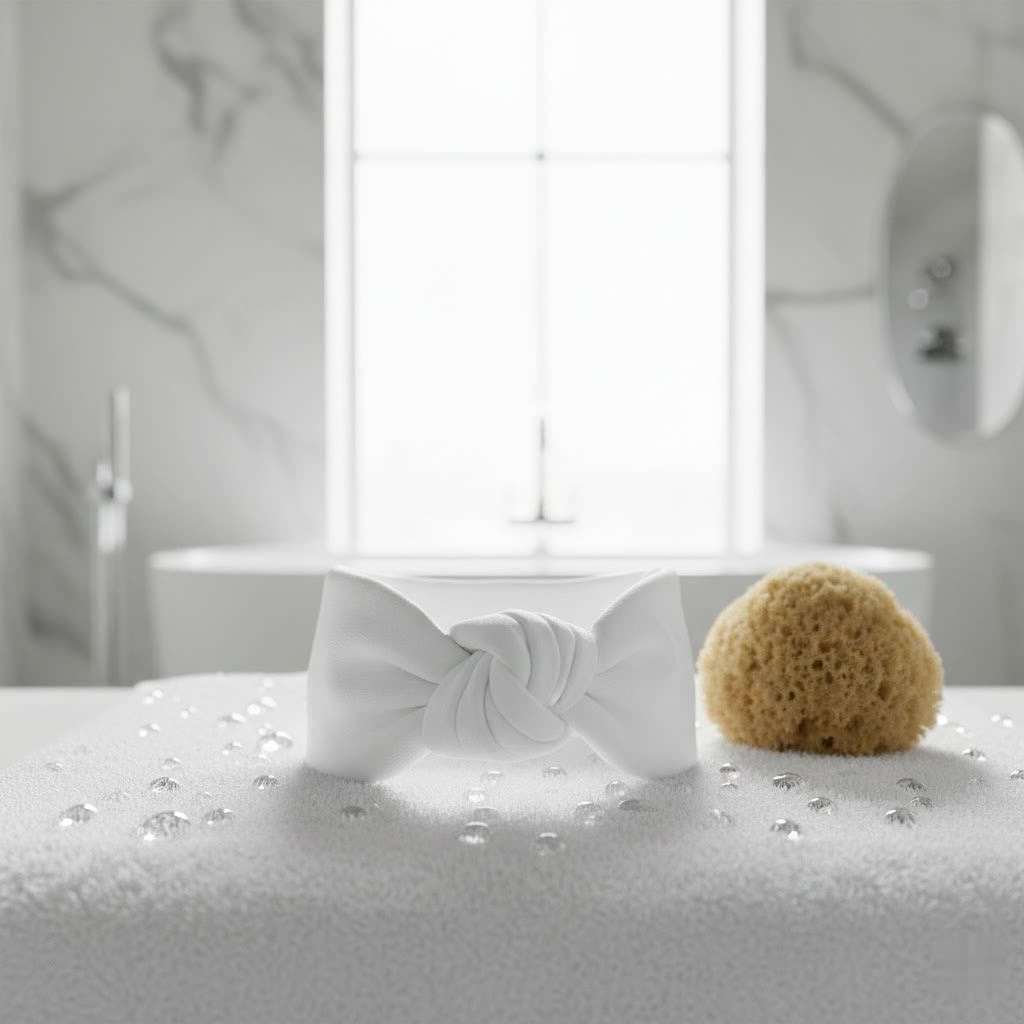
What is a Curly Hair Plopping Towel?
A curly hair plopping towel, or simply a plopping towel, is a specialized fabric designed to gently dry and set your curls after washing and applying styling products. Unlike traditional terry cloth towels, which can be rough on the hair cuticle and strip away essential moisture, a plopping towel creates a smooth, low-friction environment. The technique involves carefully piling your wet, product-laden hair onto a flat surface (like a towel) in an “accordion” fashion and then wrapping it securely around your head. This method encourages your curls to clump and dry in their natural, defined spiral shape, combating the effects of gravity that can stretch out wet curls. It’s a cornerstone technique in the “Curly Girl Method” for its ability to promote natural, healthy curl patterns and reduce the need for heat styling.
Types of Curly Hair Plopping Towels
The effectiveness of plopping largely depends on the material you choose. Different fabrics offer varying benefits regarding absorbency, texture, and overall hair health.
Microfiber Towels
Microfiber towels are perhaps the most popular choice for plopping. Their finely woven synthetic fibers are incredibly absorbent, quickly wicking away excess water without over-drying or roughing up the hair’s cuticle.
- Pros: Highly absorbent, fast-drying, lightweight, gentle on hair, significantly reduces frizz. Many are specifically designed as hair turbans or wraps for easy application.
- Cons: Can sometimes be too absorbent for very dry hair types, potentially leading to some dryness if left on too long. Some lower-quality microfibers might still have a texture that can cause slight friction or static.
|
Our Picks for the Best Hair Towel in 2026
As an Amazon Associate I earn from qualifying purchases.
|
||
| Num | Product | Action |
|---|---|---|
| 1 | Hair Towel Wrap for Women, Microfiber Towels for Hair with Elastic Band, Large 24 x 42 Inch Hair Plopping Wrap for Curls, Quick Drying Towel Hair Wraps for Women for Home Gym Travel Use |

|
| 2 | BEoffer 2 Pack Microfiber Hair Towel - 41 x 24 inches Super Soft, Absorbent, Fast Drying Without Frizz Hair Towel Wrap for Women Long, Thick, Curly Hair - Hair Turbans with Elastic Strap |
|
| 3 | 2 Packs Large Microfiber Hair Towels for Women, Super Absorbent & Quick Dry Hair Towel Wrap for Curly Hair Long & Short Hair- Anti-Frizz Hair Turbans for Wet Hair - 27.5''*39.4'' |
|
| 4 | 2 Pack Microfiber Hair Towel Wrap,Hair Drying Towel with Button, Hair Towel Turban,Quick Dry,Anti-frizz,Absorbent Head Towel (Pink&Beige) |
|
| 5 | HOMEXCEL 5 Pack Microfiber Hair Towels - 40 x 20 inches Super Soft, Fast Drying Turbans for Long, Thick, Curly Hair - Anti Frizz Wrap with Elastic Strap |
|
| 6 | Kitsch XL Microfiber Hair Towel Wrap for Women - Microfiber Towel, Super Absorbent, Quick Dry, Anti-Frizz - for Long & Short Hairs, Turbans for Women |
|
| 7 | 2PCS Ultra Absorbent Hair Quick Drying Towel, 2026 New Microfiber Hair Towel, Soft Bow Tie Wet Hair Towels Wrap for Women Girls (Rainbow Mix) |
|
| 8 | Super Absorbent Hair Towel Wrap for Wet Hair, 2026 New Soft Bow Tie Wet Hair Towels Wrap for Women Accessories,Microfiber Hair Towel Wrap Women Quick-Drying Hair Towels (Blue) |
|
| 9 | Hicober Microfiber Hair Towel Wrap, Fast Drying Hair Towels for Women, Soft Lightweight Quick Dry Turban for Curly & Long Hair–3 Pack(Blue/Grey/Pink) |
|
| 10 | 2 Pack Microfiber Hair Towel Wrap for Women, Anti Frizz Quick Drying Hair Turban for All Hair Style, Absorbent and Lightweight (Beige) |
|
Cotton Towels (T-Shirt Material)
A simple cotton T-shirt is a classic, budget-friendly option for plopping. The smooth, soft fabric of an old cotton tee is far gentler than traditional terry cloth. Many specialized plopping towels are also made from smooth, flat-weave cotton.
- Pros: Very gentle, significantly reduces frizz by minimizing friction, allows curls to dry naturally without being stretched, widely accessible and inexpensive (if using an old T-shirt). Flat-weave cotton varieties can be highly absorbent while remaining smooth.
- Cons: Less absorbent than microfiber, leading to longer drying times. Regular cotton towels can still be too bulky or heavy, potentially flattening roots.
Bamboo Towels
Bamboo fabric is gaining popularity in hair care due to its natural properties. It’s known for being exceptionally soft, sustainable, and naturally antibacterial.
- Pros: Environmentally friendly, incredibly soft and smooth (reducing friction and frizz), naturally antibacterial (which can benefit scalp health), good absorbency while retaining hair’s moisture.
- Cons: Generally more expensive than cotton or microfiber options. Availability might be more limited.
Silk or Satin Wraps
While not typically as absorbent as other materials, silk and satin wraps are valued for their incredibly smooth surface, offering the least amount of friction possible. These are often used for overnight protection or for a very gentle “micro-plopping” effect.
- Pros: Minimizes friction to an absolute minimum, excellent for reducing frizz and preventing breakage, helps hair retain its natural moisture, provides a luxurious feel.
- Cons: Not designed for significant water absorption, making them less effective for initial drying. Often the most expensive option and requires delicate care.
Comparing Curly Hair Plopping Towels
To help you decide, here’s a comparison of the most common plopping towel materials:
| Material | Absorbency | Durability | Price | Pros | Cons |
|---|---|---|---|---|---|
| Microfiber | High | Good | Medium | Fast drying, frizz reduction, lightweight | Can over-dry, potential static, synthetic feel |
| Cotton | Medium | Good | Low | Gentle, natural, reduces frizz, affordable | Slower drying, can be bulky, less absorbent |
| Bamboo | High-Medium | Good | High | Eco-friendly, soft, antibacterial, gentle | Higher cost, less common |
| Silk/Satin | Low | Fair | Very High | Extremely gentle, ultimate frizz prevention, moisture retention | Poor absorbency, delicate care, very expensive |
How to Choose the Best Curly Hair Plopping Towel
Selecting the right plopping towel involves understanding your hair’s unique needs and your styling routine.
- Determine Your Hair Type:
- Fine or Wavy Hair: Look for lighter, less bulky options like a thin cotton T-shirt or a lightweight microfiber towel. These prevent roots from being weighed down and encourage volume.
- Medium to Thick Curly Hair: You might benefit from a more absorbent microfiber towel or a flat-weave cotton towel to handle the greater amount of moisture and speed up drying.
- Coily or Kinky Hair: While plopping can be beneficial, if your hair experiences extreme shrinkage, be mindful of how tightly you plop. A very gentle approach with a smooth cotton or silk/satin material might be best to avoid tangles and preserve length.
- Dry or High Porosity Hair: Opt for materials that don’t strip too much moisture, like cotton or even a silk/satin wrap for part of the drying process, combined with good leave-in conditioners.
- Consider Size and Weight: Ensure the towel is large enough to comfortably wrap all your hair without stretching your curls. A lighter towel will generally provide more root lift.
- Prioritize Material: Based on the comparison above, decide if speed (microfiber), gentleness (cotton, bamboo, silk), or a balance is most important to you.
- Read User Reviews: Insights from other curly-haired individuals with similar hair types can be invaluable. Look for reviews that mention frizz reduction, curl definition, and comfort.
- Explore Brands: Many brands now offer specialized hair wraps and turbans designed specifically for plopping, often with ergonomic designs or securing mechanisms.
How to Use and Care for Your Curly Hair Plopping Towel
Mastering the plopping technique and properly caring for your towel are key to maximizing its benefits.
How to Plop Your Curly Hair:
- Start with Clean, Wet Hair: After washing and conditioning, gently squeeze out excess water from your hair.
- Apply Your Products: While your hair is still soaking wet, apply your leave-in conditioners, curl creams, and gels. Ensure even distribution.
- Prepare Your Towel: Lay your plopping towel (or a long-sleeved cotton T-shirt) on a flat surface, like a bed or counter. If using a T-shirt, place the neck opening near where your head will go.
- Gently “Plop” Your Hair: Lean forward, bending at the waist, and gently lower your hair onto the center of the towel. Your curls should pile up on top of your head in an accordion-like fashion. Avoid aggressively scrunching or stretching your hair.
- Wrap Securely:
- For a T-shirt: Take the bottom edge of the shirt and fold it over your head towards your neck. Then, gather the sleeves, wrap them around your head, and tie them securely at the front or back.
- For a Hair Turban/Wrap: Follow the specific instructions for your product, usually involving folding the back portion over your head and twisting/buttoning it at the front or back.
- Wait It Out: Leave your hair plopped for 10-30 minutes, or even up to 45 minutes for very thick hair. The duration depends on your hair type and how damp you want your hair before air drying or diffusing. Do not plop overnight, as leaving hair wet for too long can be detrimental to scalp health.
- Unwrap and Style: Gently unwrap your hair. It should be significantly less wet, with well-formed curl clumps. Proceed with air drying or diffusing on a low heat setting.
How to Care for Your Plopping Towel:
- Washing: Most plopping towels can be machine washed. Use a gentle cycle with a mild detergent. Avoid fabric softeners, especially for microfiber, as they can reduce absorbency.
- Drying: Air drying is ideal for preserving the integrity of the fibers. If using a dryer, opt for a low heat setting. Avoid high heat, which can damage microfiber and elastic.
- Separate: Wash your plopping towel separately from lint-producing items like terry cloth towels to prevent lint transfer.
Top Curly Hair Plopping Towels
While specific product recommendations can vary based on individual preference and new releases, certain types of towels consistently rank high for curly hair plopping:
- High-Quality Microfiber Hair Turbans: These often feature elastic edges and button closures for a secure, comfortable fit. Look for brands known for their ultra-soft, smooth microfiber that prioritizes frizz reduction.
- Flat-Weave Cotton Hair Wraps: Many curly hair care brands offer towels made from a specially woven cotton that mimics the smoothness of a T-shirt but with enhanced absorbency and a more convenient design.
- Bamboo Hair Towels: For those seeking an eco-friendly and exceptionally soft option, dedicated bamboo hair wraps provide excellent frizz control and gentle drying.
Ultimately, the “top” towel is the one that works best for your unique hair texture and styling goals. Experimentation is encouraged to find your perfect match.
Conclusion
Embracing the curly hair plopping towel is a simple yet impactful step towards healthier, more defined, and frizz-free curls. By gently absorbing excess water and allowing your curls to dry undisturbed, this technique minimizes damage, enhances your natural texture, and streamlines your wash-day routine. Whether you opt for an old cotton T-shirt, a specialized microfiber turban, or a luxurious bamboo wrap, incorporating plopping into your regimen can unveil the beautiful, bouncy curls you’ve always dreamed of. What kind of plopping towel will you try first to unlock your best curls?
Frequently Asked Questions
Can I plop with a regular terry cloth towel?
No, it is strongly advised against using a regular terry cloth towel for plopping. The rough texture of terry cloth creates excessive friction, which can rough up the hair’s cuticle, lead to frizz, and stretch out your natural curl pattern. Always opt for a smooth material like a cotton T-shirt, microfiber, bamboo, or silk.
How long should I plop my hair?
The ideal plopping time varies. For fine hair, 10-20 minutes might be sufficient. Medium hair can benefit from 20-30 minutes, while thick hair might need 30-45 minutes. Experiment to find the “sweet spot” that leaves your hair damp enough for styling but not soaking wet. It’s generally not recommended to plop overnight.
Does plopping work for all curl types?
Plopping is beneficial for most wavy, curly, and coily hair types (Type 2, 3, and 4). It helps enhance curl definition and reduce frizz. However, individuals with very tight coils might need to adjust the technique to prevent excessive shrinkage or tangling, perhaps using a looser wrap or micro-plopping.
What’s the difference between plopping and micro-plopping?
Plopping involves wrapping your entire head of wet hair in a towel to dry. Micro-plopping, on the other hand, is a more targeted technique where you gently cup and squeeze small sections of your hair with a microfiber towel or T-shirt to remove excess water and encourage curl formation, without fully wrapping your head. It’s often used for quick touch-ups or to add definition.
