Are you tired of battling frizz, breakage, and endless drying times with your beautiful curly hair? Many curly-haired individuals know the struggle: harsh traditional towels can strip moisture, disrupt precious curl patterns, and leave you with a frizzy mess. But what if there was a simple, everyday tool that could revolutionize your wash-day routine, reduce damage, and enhance your natural curls? This comprehensive guide will explore the world of hair towels, focusing on the transformative power of microfiber, to help you discover the best choice for your unique curls.
What is a Hair Towel?
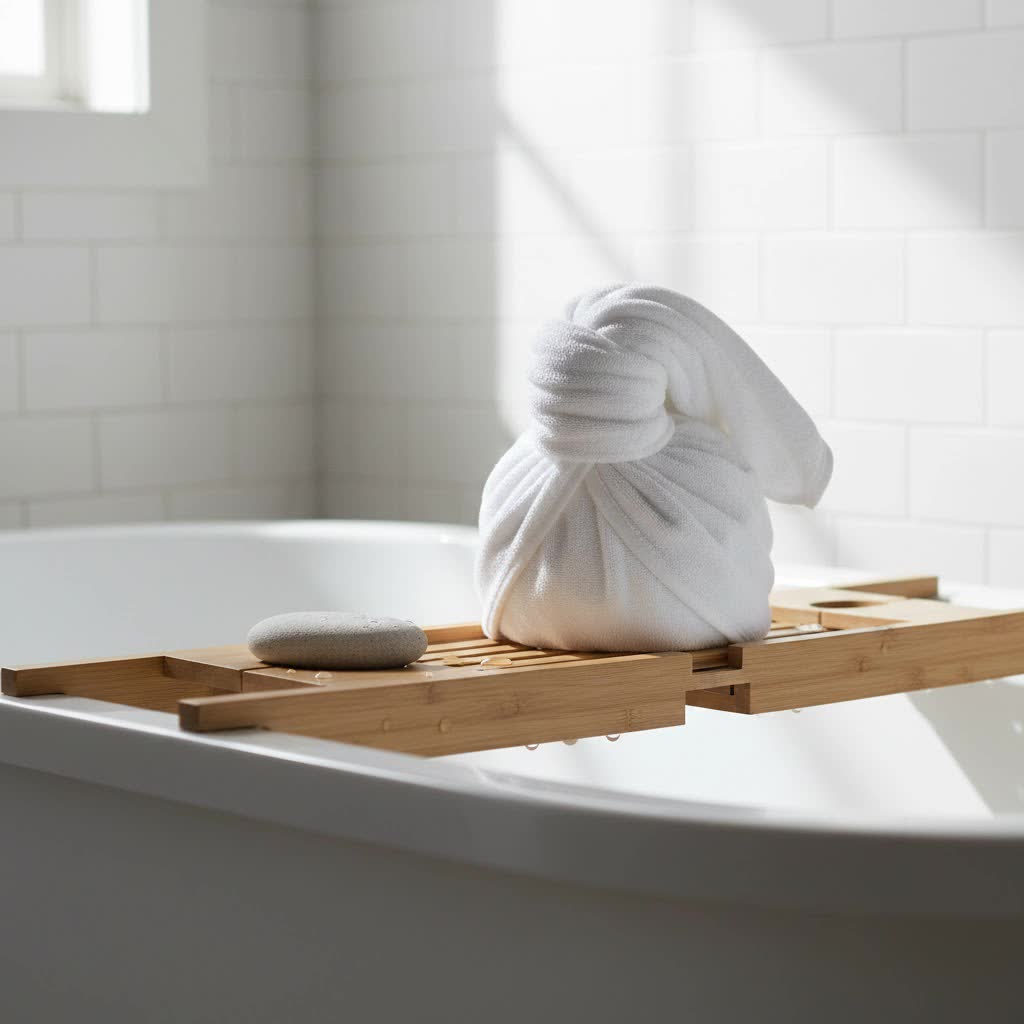
A hair towel is a specialized towel designed to dry your hair more efficiently and gently than a standard bath towel. While often made from advanced fabrics like microfiber, hair towels come in various materials, each offering distinct benefits. The primary purpose is to absorb excess water without causing friction, which is particularly crucial for delicate curly hair that is prone to frizz and breakage.
Why should you use a dedicated hair towel instead of a regular bath towel? Standard cotton bath towels are typically made with rougher, looped fibers that create friction when rubbed against the hair cuticle. This friction can lift the hair’s outer layer, leading to frizz, tangles, and even damage, especially when hair is most vulnerable (when wet). Hair towels, particularly those made from microfiber, feature smoother, finer fibers that gently wick away moisture, preserving the hair’s natural structure and minimizing unwanted side effects.
Popular Types of Hair Towels
Understanding the different materials available for hair towels can help you make an informed decision for your curl type.
Microfiber Towels
Microfiber towels are often hailed as a game-changer for curly hair. They are typically made from a blend of polyester and polyamide (nylon) engineered into ultra-fine, densely packed fibers.
- Advantages:
- High Absorbency: Microfiber can absorb significantly more water than cotton, drastically cutting down drying time. This means less time spent air-drying or under a diffuser.
- Gentle on Hair: The smooth, flat surface of microfiber creates less friction, preventing the disruption of the hair cuticle, which directly translates to less frizz and fewer split ends.
- Lightweight: These towels are light, making them comfortable for wrapping your hair in a turban without straining your neck.
- Maintains Curl Definition: By gently wicking away excess water, microfiber helps curls clump together naturally, enhancing their definition and bounce.
- Durable and Quick-Drying: Microfiber towels themselves dry quickly, reducing the chance of mildew, and are generally long-lasting.
- Disadvantages:
- Can Over-Dry (if left too long): While excellent at absorbing, leaving it on for excessively long periods (e.g., over 20 minutes for plopping) can sometimes lead to slight dryness for some hair types or cause frizz.
- Static Electricity: Some lower-quality microfiber towels may occasionally generate static, especially in dry environments.
- Washing Care: They require specific washing instructions (avoiding fabric softener) to maintain their absorbency.
|
Our Picks for the Best Hair Towel in 2026
As an Amazon Associate I earn from qualifying purchases.
|
||
| Num | Product | Action |
|---|---|---|
| 1 | HOMEXCEL 5 Pack Microfiber Hair Towels - 40 x 20 inches Super Soft, Fast Drying Turbans for Long, Thick, Curly Hair - Anti Frizz Wrap with Elastic Strap |

|
| 2 | Hicober Microfiber Hair Towel Wrap, Fast Drying Hair Towels for Women, Soft Lightweight Quick Dry Turban for Curly & Long Hair–3 Pack(Blue/Grey/Pink) |
|
| 3 | 2 Pack Microfiber Hair Towel Wrap,Hair Drying Towel with Button, Hair Towel Turban,Quick Dry,Anti-frizz,Absorbent Head Towel (Pink&Beige) |
|
| 4 | 2PCS Ultra Absorbent Hair Quick Drying Towel, 2026 New Microfiber Hair Towel, Soft Bow Tie Wet Hair Towels Wrap for Women Girls (Rainbow Mix) |
|
| 5 | Kitsch XL Microfiber Hair Towel Wrap for Women - Microfiber Towel, Super Absorbent, Quick Dry, Anti-Frizz - for Long & Short Hairs, Turbans for Women |
|
| 6 | 2 Packs Large Microfiber Hair Towels for Women, Super Absorbent & Quick Dry Hair Towel Wrap for Curly Hair Long & Short Hair- Anti-Frizz Hair Turbans for Wet Hair - 27.5''*39.4'' |
|
| 7 | 2 Pack Microfiber Hair Towel Wrap for Women, Anti Frizz Quick Drying Hair Turban for All Hair Style, Absorbent and Lightweight (Beige) |
|
| 8 | Hair Towel Wrap for Women, Microfiber Towels for Hair with Elastic Band, Large 24 x 42 Inch Hair Plopping Wrap for Curls, Quick Drying Towel Hair Wraps for Women for Home Gym Travel Use |
|
| 9 | Super Absorbent Hair Towel Wrap for Wet Hair, 2026 New Soft Bow Tie Wet Hair Towels Wrap for Women Accessories,Microfiber Hair Towel Wrap Women Quick-Drying Hair Towels (Blue) |
|
| 10 | BEoffer 2 Pack Microfiber Hair Towel - 41 x 24 inches Super Soft, Absorbent, Fast Drying Without Frizz Hair Towel Wrap for Women Long, Thick, Curly Hair - Hair Turbans with Elastic Strap |
|
Cotton Towels
While ubiquitous, traditional cotton towels are generally not recommended for curly hair due to their coarse, looped texture.
- Advantages:
- Soft (initially): Can feel soft, especially high-quality cotton.
- Natural Fiber: Made from a natural plant fiber.
- Widely Available and Affordable: Easily found and generally inexpensive.
- Disadvantages:
- High Friction: The looped fibers create significant friction, roughing up the hair cuticle and leading to considerable frizz, tangles, and even breakage.
- Less Absorbent (compared to microfiber): Takes longer to absorb water, prolonging drying time.
- Heavy when Wet: Can be uncomfortable when wrapped around the head.
- Leaves Lint: May leave small fibers in your hair.
Bamboo Towels
Bamboo towels are gaining popularity for their eco-friendly properties and luxurious feel.
- Advantages:
- Extremely Soft and Silky: Often softer than cotton, offering a gentle touch.
- Highly Absorbent: Similar to microfiber, bamboo fabric is very absorbent and can significantly cut down drying time.
- Naturally Antibacterial: Bamboo has natural antimicrobial properties, which can help keep the towel fresh.
- Eco-Friendly: Bamboo is a sustainable resource, making it an environmentally conscious choice.
- Disadvantages:
- Higher Price Point: Generally more expensive than cotton or even some microfiber options.
- Less Common: May be harder to find a wide variety compared to microfiber.
Silk Towels
Often found in the form of silk pillowcases, silk wraps are also available as hair towels, particularly for those seeking ultimate gentleness.
- Advantages:
- Minimizes Friction: Silk’s exceptionally smooth surface drastically reduces friction, preventing frizz, tangles, and hair damage.
- Retains Moisture: Unlike highly absorbent materials, silk helps to retain the hair’s natural moisture, which is beneficial for dry or damaged curls.
- Hypoallergenic: Naturally hypoallergenic and gentle on sensitive skin and scalp.
- Disadvantages:
- Low Absorbency: Silk is not designed for rapid water absorption, making it less efficient for quickly drying very wet hair. It’s more for preserving moisture and reducing friction.
- Very High Price Point: Silk is a luxury material, making these towels significantly more expensive.
- Delicate Care: Requires very gentle washing and handling.
Comparing Hair Towel Materials
Here’s a detailed comparison of popular hair towel materials to help you weigh your options:
| Material | Absorbency | Durability | Price Range | Key Advantages | Key Disadvantages |
|---|---|---|---|---|---|
| Microfiber | High | Good | Medium | Fast drying, reduces frizz, gentle, lightweight | Can over-dry if left too long, possible static |
| Cotton | Medium | Good | Low | Widely available, natural, easy to wash | High friction, causes frizz, slow drying |
| Bamboo | High | Good | Medium to High | Silky soft, antibacterial, eco-friendly | Higher price, less variety |
| Silk | Low | Fair | Very High | Extremely gentle, preserves moisture, no friction | Not for quick drying, delicate, very expensive |
How to Choose the Best Hair Towel for Your Curly Hair
Selecting the ideal hair towel involves considering your specific hair needs and lifestyle.
Determine Your Hair Type
- Fine/Wavy Curls: Look for lightweight microfiber towels that won’t weigh down your delicate curls. Fast drying is key to prevent soggy waves.
- Thick/Coily Curls: You’ll benefit most from highly absorbent microfiber or bamboo towels that can effectively remove a lot of water. Size is also important for full coverage.
- Dry/Damaged/Color-Treated Hair: Prioritize gentleness and moisture retention. High-quality microfiber or bamboo can be excellent. Silk can be a luxurious addition for minimizing friction further.
- Frizzy Hair: Microfiber is your best friend here, as its smooth surface directly combats frizz-causing friction.
Consider Size and Weight
Hair towels come in various sizes and shapes, from flat wraps to turban styles.
- Size: Ensure the towel is large enough to comfortably wrap all your hair, especially if you have long or very thick curls.
- Weight: Lighter towels reduce strain on your scalp and neck, making the drying process more comfortable, especially for plopping.
Choose the Right Material
Based on the comparison above, microfiber stands out as the top recommendation for most curly hair types due to its balance of absorbency, gentleness, and affordability. However, if you’re looking for an eco-conscious alternative, bamboo is excellent, and for ultimate luxury and moisture retention (if quick drying isn’t the primary goal), silk might be considered.
Read Reviews and Research Brands
Always check user reviews, particularly from individuals with similar curl patterns to yours. Look for mentions of frizz reduction, drying time, durability, and how well the towel stays in place. Trusted brands specializing in curly hair products often offer excellent hair towels designed with curl needs in mind.
How to Use and Care for Your Hair Towel Correctly
Using your hair towel correctly is just as important as choosing the right one.
Proper Hair Towel Wrapping Techniques
- Gentle Blotting/Scrunching: After washing and conditioning, gently squeeze excess water from your hair with your hands. Then, using your microfiber towel, gently scrunch your curls upwards towards your scalp. Avoid rubbing or roughing up your hair, which can cause frizz.
- Plopping: This popular method helps absorb water while encouraging curl formation.
- Lay your microfiber towel flat on a surface (e.g., bed, counter).
- Flip your wet, product-applied hair forward, gently “plopping” your curls onto the center of the towel, aiming to stack them on top of your head.
- Bring the back of the towel up over your head, then gather the sides and tie or twist them around to secure the turban.
- Leave it on for 10-20 minutes. Some curly hair experts advise against leaving it on for much longer to prevent over-drying or frizz.
- Turban Wrap: If your towel has a button or elastic loop, simply twist your hair into the towel, secure the twist at the nape of your neck, and fasten the loop around the button. This is a hands-free method for general moisture absorption.
Expert Insight:
“The biggest mistake people make with curly hair is treating it like straight hair, especially during drying. A microfiber towel is a simple switch that can dramatically reduce frizz and preserve the delicate curl pattern by minimizing friction.” – Dr. Sarah Miller, Trichologist and Curly Hair Specialist
Washing and Care for Your Hair Towel
Proper care extends the life and effectiveness of your hair towel:
- Wash Separately (Microfiber): Wash microfiber towels separately or with similar synthetic items to prevent lint transfer.
- Cold Water: Use cold or lukewarm water to prevent shrinking or damage to the fibers.
- Avoid Fabric Softener (Microfiber): Fabric softener can clog the microfibers, reducing their absorbency.
- Mild Detergent: Use a small amount of mild liquid detergent.
- Air Dry or Low Heat: Tumble dry on low heat or, ideally, air dry to maintain the integrity of the fibers and prevent heat damage.
- Storage: Store in a clean, dry place.
Top Microfiber Hair Towels Loved by the Curly Community
While personal preference varies, several microfiber hair towels consistently receive high praise from individuals with curly hair for their effectiveness in reducing frizz and promoting defined curls.
- DevaCurl DevaTowel Anti-Frizz Microfiber Towel: Specifically designed by a brand dedicated to curly hair, this towel is lauded for its ability to reduce frizz and static while maintaining curl integrity. Many users find it excellent for plopping.
- AQUIS Original Hair Turban / Lisse Luxe Hair Towel: Known for its proprietary Aquitex fabric, AQUIS towels are highly absorbent and exceptionally lightweight, promising to cut drying time significantly without causing friction. They come in various styles, including turbans and flat wraps.
- Turbie Twist Microfiber Hair Towel Wrap: A classic and often more budget-friendly option, the Turbie Twist is popular for its easy-to-use turban design that stays securely in place, making hands-free drying a breeze.
- Volo Hero Microfiber Hair Towel: This towel often features a unique nanoweave fabric that boasts exceptional absorbency, reducing dry time by up to 50%. Its snug strap design ensures it stays put.
- Coco & Eve Microfibre Hair Towel Wrap: Praised for its softness and ability to minimize frizz and breakage, this towel is another favorite for defining curls and speeding up the drying process.
When considering any of these, always check recent reviews for the most up-to-date feedback on performance and price.
Conclusion
Embracing the right hair towel, especially a high-quality microfiber one, is a small yet significant step towards healthier, happier curly hair. By minimizing friction, speeding up drying, and preserving your natural curl pattern, these specialized towels can help you achieve frizz-free, defined results with less effort and damage. Make the switch from your old bath towel, master gentle drying techniques like plopping, and invest in a towel that truly cares for your curls. Your hair will thank you.
What’s the one hair care struggle a great microfiber towel has helped you overcome?
Frequently Asked Questions
Can I use a regular T-shirt instead of a microfiber towel for curly hair?
While a cotton T-shirt is better than a traditional terry cloth towel due to its smoother surface, a dedicated microfiber hair towel is typically more effective. Microfiber is specifically engineered for high absorbency and minimal friction, providing superior frizz reduction and faster drying compared to most cotton T-shirts.
How long should I leave a microfiber towel on my curly hair?
For most curly hair types, leaving the microfiber towel on for 10-20 minutes is ideal. This allows the towel to absorb excess water without over-drying your strands. Leaving it on for too long can sometimes lead to dryness or disrupt your curl pattern, causing frizz. Experiment to find the perfect duration for your unique curls.
Will a microfiber towel help reduce frizz in my curly hair?
Yes, a microfiber towel is highly effective at reducing frizz in curly hair. Its ultra-fine, smooth fibers create significantly less friction on the hair cuticle compared to traditional cotton towels. This gentle action helps keep the cuticle smooth and flat, preventing the frizz and flyaways often caused by rough drying.
