Do you dream of bouncy, defined curls free from frizz and damage? If so, you’ve likely encountered the challenge of drying curly hair without disturbing its natural pattern. Traditional bath towels, with their rough texture, often lead to frustrating frizz and even breakage, leaving your curls limp and undefined. This is where the magic of a dedicated hair plopping towel comes in. Plopping is a game-changing, heat-free drying method that can transform your hair routine, enhancing your natural waves and curls, boosting volume, and significantly reducing frizz. In this comprehensive guide, we’ll explore everything you need to know about hair plopping towels, from understanding what they are and why they work, to choosing the perfect material for your hair type, and how to use and care for them effectively. Get ready to embrace healthier, happier, and more defined curls than ever before.
What is a Hair Plopping Towel?
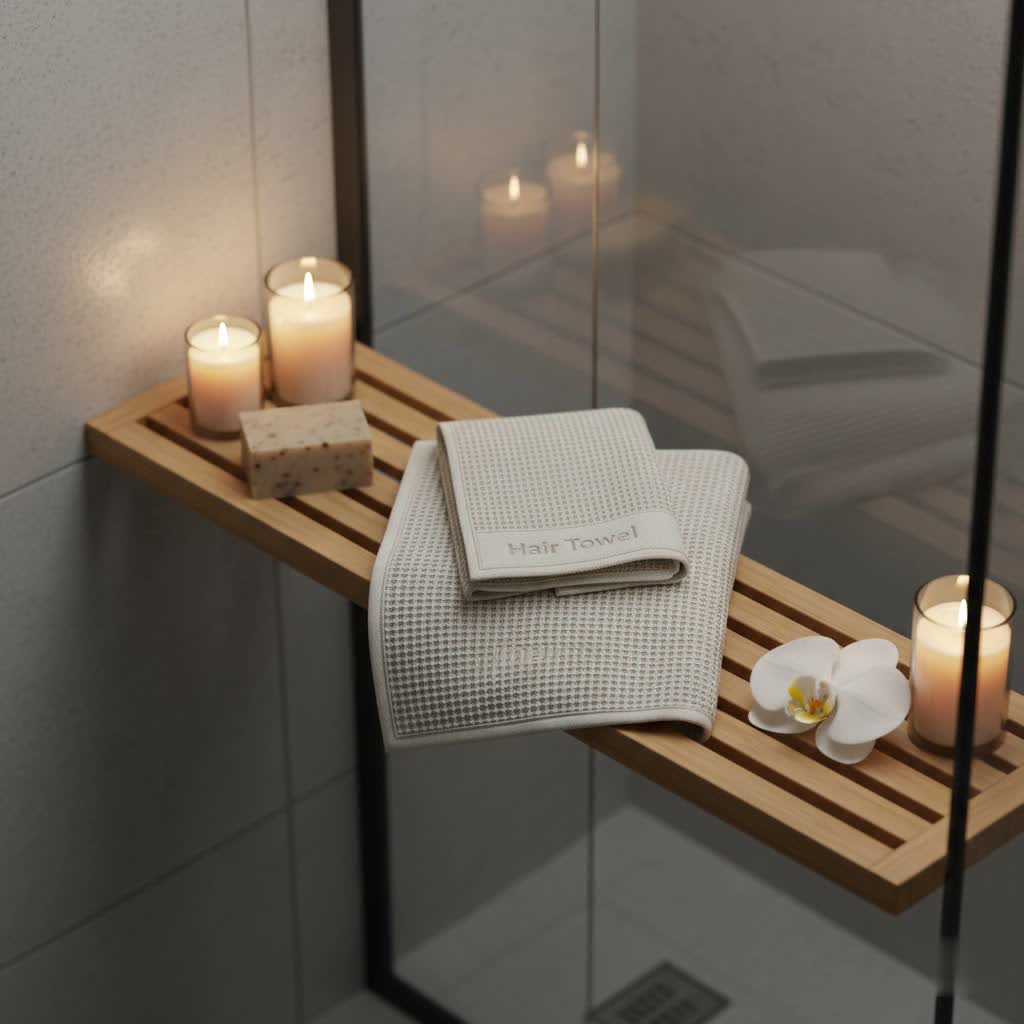
A hair plopping towel is a specialized towel or soft fabric designed to gently absorb excess water from wet hair without causing friction or disrupting the curl pattern. Unlike conventional terry cloth bath towels, which can rough up the hair cuticle and lead to frizz, plopping towels are typically made from smoother, highly absorbent materials. The technique of “plopping” involves carefully wrapping your freshly washed and conditioned hair, often with styling products applied, into this soft material atop your head. This allows your curls to dry in an accordion-like, scrunched position, promoting their natural shape and encouraging bounce and volume at the roots.
The primary purpose of using a hair plopping towel instead of a regular bath towel is to minimize damage and maximize curl potential. When hair is wet, it is in its most fragile state, making it highly susceptible to breakage. The coarse loops of standard towels can snag and pull delicate strands, stripping away too much moisture and creating frizz. Plopping towels, on the other hand, offer a smooth, gentle surface that draws out moisture efficiently while preserving the integrity of your curls and reducing friction. This results in more defined curls, less frizz, faster drying times, and often, no need for heat styling.
Popular Types of Hair Plopping Towels
The choice of material for your hair plopping towel can significantly impact its performance and the health of your curls. Different fabrics offer unique benefits and drawbacks.
Microfiber Towels
Microfiber is by far the most popular and widely recommended material for hair plopping towels, and for good reason. It’s composed of incredibly fine synthetic fibers, often much smaller than a human hair, allowing it to absorb moisture quickly and efficiently.
-
Advantages:
- Highly Absorbent: Microfiber can absorb a significant amount of water, often many times its own weight, which dramatically cuts down drying time.
- Quick-Drying: Its unique composition allows it to dry faster than many other materials, preventing towels from staying damp for extended periods.
- Lightweight: Microfiber towels are generally light, making them comfortable to wear wrapped on your head.
- Frizz Reduction: Their smooth structure minimizes friction and rubbing against the hair shaft, effectively preventing frizz and tangling.
- Durable: With proper care, microfiber tends to be very durable and can last for years.
-
Disadvantages:
- Static Electricity: Some microfiber towels, particularly lower quality ones, can occasionally generate static electricity in the hair.
- Care Requirements: To maintain absorbency and durability, they require specific washing instructions, typically avoiding fabric softeners.
- Quality Variation: Not all microfiber towels are created equal; quality varies significantly between brands.
|
Our Picks for the Best Hair Towel in 2026
As an Amazon Associate I earn from qualifying purchases.
|
||
| Num | Product | Action |
|---|---|---|
| 1 | Super Absorbent Hair Towel Wrap for Wet Hair, 2026 New Soft Bow Tie Wet Hair Towels Wrap for Women Accessories,Microfiber Hair Towel Wrap Women Quick-Drying Hair Towels (Blue) |

|
| 2 | 2PCS Ultra Absorbent Hair Quick Drying Towel, 2026 New Microfiber Hair Towel, Soft Bow Tie Wet Hair Towels Wrap for Women Girls (Rainbow Mix) |
|
| 3 | BEoffer 2 Pack Microfiber Hair Towel - 41 x 24 inches Super Soft, Absorbent, Fast Drying Without Frizz Hair Towel Wrap for Women Long, Thick, Curly Hair - Hair Turbans with Elastic Strap |
|
| 4 | Hicober Microfiber Hair Towel Wrap, Fast Drying Hair Towels for Women, Soft Lightweight Quick Dry Turban for Curly & Long Hair–3 Pack(Blue/Grey/Pink) |
|
| 5 | 2 Packs Large Microfiber Hair Towels for Women, Super Absorbent & Quick Dry Hair Towel Wrap for Curly Hair Long & Short Hair- Anti-Frizz Hair Turbans for Wet Hair - 27.5''*39.4'' |
|
| 6 | 2 Pack Microfiber Hair Towel Wrap for Women, Anti Frizz Quick Drying Hair Turban for All Hair Style, Absorbent and Lightweight (Beige) |
|
| 7 | Kitsch XL Microfiber Hair Towel Wrap for Women - Microfiber Towel, Super Absorbent, Quick Dry, Anti-Frizz - for Long & Short Hairs, Turbans for Women |
|
| 8 | Hair Towel Wrap for Women, Microfiber Towels for Hair with Elastic Band, Large 24 x 42 Inch Hair Plopping Wrap for Curls, Quick Drying Towel Hair Wraps for Women for Home Gym Travel Use |
|
| 9 | 2 Pack Microfiber Hair Towel Wrap,Hair Drying Towel with Button, Hair Towel Turban,Quick Dry,Anti-frizz,Absorbent Head Towel (Pink&Beige) |
|
| 10 | HOMEXCEL 5 Pack Microfiber Hair Towels - 40 x 20 inches Super Soft, Fast Drying Turbans for Long, Thick, Curly Hair - Anti Frizz Wrap with Elastic Strap |
|
Cotton Towels (T-Shirt Style)
While traditional cotton bath towels are discouraged, a soft, old cotton t-shirt is a long-standing and budget-friendly favorite for hair plopping. Some brands also offer dedicated “t-shirt towels” made from similar thin, absorbent cotton or cotton blends.
-
Advantages:
- Soft and Natural: Cotton is known for its natural softness, which is gentle on the hair and scalp.
- Less Friction: Compared to rough terry cloth, the smooth weave of a t-shirt or thin cotton towel significantly reduces friction, thereby minimizing frizz.
- Easy to Wash: Cotton is generally easy to clean and care for, though it’s still best to follow care instructions.
- Accessible and Affordable: A cotton t-shirt is readily available and costs nothing extra.
-
Disadvantages:
- Slower Absorbency: Cotton is naturally porous but absorbs water slower and takes longer to dry the hair compared to microfiber.
- Longer Drying Time: Consequently, hair will remain damp for a longer period.
- Bulkier: A regular t-shirt can be bulkier and harder to secure than purpose-designed hair wraps.
Bamboo Towels
Bamboo fiber is an increasingly popular and eco-conscious choice for hair towels, often blended with cotton. [cite: 3 (search results, not browse)]
-
Advantages:
- Antimicrobial Properties: Bamboo fiber is naturally antimicrobial, meaning it’s less prone to accumulating bacteria and unpleasant odors.
- Eco-Friendly: Bamboo is a highly sustainable resource, growing rapidly with minimal resources.
- Luxuriously Soft: Bamboo fiber is incredibly soft to the touch, often compared to silk, providing a gentle experience for both hair and skin.
- Good Absorbency: It effectively absorbs moisture, though some sources suggest it might take a bit longer than microfiber to fully dry hair.
-
Disadvantages:
- Higher Price Point: Bamboo towels tend to be more expensive than cotton or many microfiber options.
- Drying Speed: While absorbent, some research indicates bamboo towels may take longer to dry fully compared to microfiber, potentially leading to a damp towel if not aired properly. [cite: 2 (search results, not browse)]
- Durability (Quality Dependent): While durable with proper care, it’s crucial to check the fabric’s quality before purchase.
Silk Towels
While not as common for direct “plopping” due to lower absorbency, silk wraps are sometimes used for delicate hair or for “wet plopping” where the goal is product absorption rather than rapid drying.
-
Advantages:
- Minimizes Friction: Silk’s exceptionally smooth surface dramatically reduces friction, which is excellent for preventing frizz, breakage, and damage.
- Retains Moisture: Silk is less absorbent than other materials, which can be beneficial for hair types that require more moisture retention.
- Gentle on Hair: It’s incredibly gentle, making it ideal for fragile, damaged, or chemically treated hair.
-
Disadvantages:
- Low Absorbency: Silk is not designed for significant water absorption, making it inefficient for quickly drying hair.
- High Cost: Silk products are typically the most expensive option.
- Delicate Care: Requires delicate washing and care to maintain its integrity.
Comparison of Hair Plopping Towel Materials
Choosing the right material depends on your hair type, preferences, and priorities. Here’s a quick comparison:
| Material | Absorbency | Durability | Price Range | Pros | Cons |
|---|---|---|---|---|---|
| Microfiber | High | Good | Medium | Fast drying, high absorbency, frizz reduction, lightweight. | Can cause static, specific care needed, quality varies. |
| Cotton (T-Shirt) | Medium | Good | Low | Soft, gentle, minimal friction, accessible, natural. | Slower drying, less absorbent than microfiber, can be bulky. |
| Bamboo | High (Slightly slower than microfiber) | Good | High | Antimicrobial, eco-friendly, super soft, gentle, good absorbency. | Higher cost, may dry slower than microfiber. |
| Silk | Low | Fair | Very High | Extremely gentle, reduces friction, retains moisture. | Very low absorbency, high cost, delicate care. |
How to Choose the Best Hair Plopping Towel
Selecting the perfect hair plopping towel involves considering your hair’s unique characteristics and your personal preferences.
-
Determine Your Hair Type:
- Curly/Wavy Hair: Microfiber and soft cotton (t-shirt material) are excellent for defining curls and minimizing frizz.
- Fine/Thin Hair: Lightweight options like microfiber are ideal to avoid weighing down delicate strands.
- Thick/Long Hair: Opt for larger microfiber towels or wraps that can fully encapsulate your hair and manage more moisture.
- Dry/Damaged Hair: Extremely gentle materials like silk or a very soft, high-quality bamboo blend can help retain moisture and prevent further damage.
-
Consider Size and Weight: A good plopping towel should be large enough to comfortably wrap all your hair without being overly bulky or heavy, which could strain your neck or cause the towel to fall off. Lightweight materials ensure comfort during the plopping process.
-
Prioritize Material:
- For fastest drying and maximum frizz reduction, microfiber is usually the top choice.
- For a natural, eco-friendly option with antimicrobial benefits, bamboo is excellent, though it might take a bit longer to dry.
- For a budget-friendly and gentle option, a cotton t-shirt or t-shirt towel works wonders.
- For ultimate gentleness and moisture retention for fragile hair, consider silk.
-
Look for Fasteners: Many hair towels come with buttons, elastic bands, or twist designs that help secure the towel firmly on your head, allowing you to move freely without it slipping. This is particularly useful if you plan to go about other tasks while plopping.
-
Read User Reviews: Always check reviews from other users, especially those with similar hair types, to get real-world insights into a towel’s absorbency, durability, and effectiveness for plopping.
How to Use and Care for Your Hair Plopping Towel Properly
Mastering the art of plopping and caring for your towel ensures optimal results and longevity.
How to Plop Your Hair Correctly
- Wash and Condition: Start with freshly washed and conditioned hair. Gently squeeze out excessive water with your hands, leaving your hair damp, not soaking wet.
- Apply Styling Products: While your hair is still damp, apply your preferred curl-defining products, such as leave-in conditioner, curl cream, or gel. Ensure even distribution.
- Prepare Your Towel: Lay your hair plopping towel (or a clean cotton t-shirt) flat on a bed or countertop.
- Plopping Technique: Gently flip your head forward, allowing your hair to cascade onto the center of the towel, starting with your ends first. Slowly lower your head until the crown of your head touches the towel, allowing your curls to gather and scrunch naturally.
- Wrap and Secure: Bring the bottom edge of the towel up to the nape of your neck. Gather the sides of the towel, twisting them gently, and then fold them back over the top of your head, securing any hanging pieces under the wrap or using a button/elastic loop if available. The goal is to cradle your curls without separating them.
- Leave to Plop: Leave your hair plopped for 15 to 45 minutes, depending on your hair’s thickness and desired dryness. Some individuals with very fine hair might plop for less time, while others might plop longer for maximum definition. You can also “wet plop” by wrapping hair in a shower cap after products for deeper absorption, especially for low-porosity hair. [cite: 4 (search results, not browse)]
- Unwrap Gently: Carefully unwrap your hair, letting your curls fall naturally. Avoid touching or disturbing them too much as they continue to air dry or if you choose to diffuse.
How to Wash and Care for Your Hair Towel
Proper care is crucial to maintain your towel’s absorbency, hygiene, and durability.
-
Washing Instructions: Always refer to the manufacturer’s specific care label.
- Microfiber: Wash with mild detergent in cool or warm water. Avoid fabric softeners and bleach, as they can clog the fibers and reduce absorbency. Air dry or tumble dry on low heat.
- Cotton & Bamboo: Wash in cool or warm water with a gentle detergent. Fabric softeners can also reduce absorbency in cotton. Air dry or tumble dry on low to medium heat.
- Silk: Hand wash with a gentle, pH-neutral detergent or machine wash on a delicate cycle in a mesh bag with cold water. Air dry away from direct sunlight.
-
Preventing Mold and Odors: Always ensure your towel is completely dry after each use by hanging it in a well-ventilated area, preferably outdoors. If persistent odors occur, try washing with a cup of white vinegar or a sprinkle of baking soda, followed by a thorough rinse.
-
Rotation: If you have multiple hair towels, rotate them to prevent excessive wear on one towel, extending their lifespan.
-
Regular Inspection: Periodically check your towels for signs of wear, such as loose seams or stubborn stains, and replace them when they become too worn to ensure optimal performance.
Top Hair Plopping Towels Loved by Curlies
While personal preference plays a huge role, several hair towels consistently receive high praise from those who plop their hair. These often combine superior absorbency with gentle materials and thoughtful designs.
- Volo Hero Microfiber Hair Towel: Often lauded as an “overall best,” this towel is made from a unique nanoweave fabric that boasts exceptional absorbency, reducing dry time by up to 50%. Its plush feel and a snug, stretchy strap ensure it stays in place.
- Youlertex Microfiber Hair Towel: A budget-friendly Amazon standout, this microfiber turban wrap is celebrated for its ease of use, quick-drying capabilities, and ability to deliver frizz-free results. It’s often available in multi-packs, offering great value.
- Crown Affair The Hair Towel: This premium microfiber option, with its elegant waffle-weave construction, is a favorite for preventing damage and leaving hair smooth and soft. Users appreciate its quick drying while being extra-gentle.
- DevaCurl DevaTowel: Specifically designed for curly hair types, this microfiber towel helps smooth strands, reduce static cling, and keep curls intact, making it a go-to for many curly-haired individuals.
- Bread Beauty Supply Hair Towel: Modeled after the effectiveness of a thin cotton t-shirt, this towel is woven from cotton and bamboo, soaking up moisture while drying and defining curls, and actively preventing damage and static.
“When hair is wet, it’s in its most fragile state and the most prone to breakage.” – Becca Panos, Hairstylist at Maxine Salon.
Conclusion
Choosing the Best Hair Plopping Towel is a crucial step towards achieving the healthy, defined, and frizz-free curls you’ve always desired. By understanding the unique benefits of materials like microfiber, cotton, bamboo, and even silk, you can make an informed decision that aligns with your hair type and haircare goals. Plopping is more than just a drying method; it’s a gentle, heat-free technique that respects your hair’s natural curl pattern, offering enhanced definition, reduced frizz, and increased volume. With proper selection, usage, and care, your hair plopping towel will become an indispensable tool in your routine, helping you unlock your best curls.
Are you ready to say goodbye to frizz and hello to beautifully defined curls?
