Do you dream of faster drying times, less frizz, and healthier hair, but find yourself battling a heavy, damp towel after every wash? Many of us unknowingly inflict damage on our delicate strands with traditional drying methods, leading to breakage, split ends, and unmanageable frizz. The good news is, there’s a simple yet revolutionary change you can make to your hair care routine: embracing the microfiber hair towel wrap. This comprehensive guide will explore everything you need to know about these game-changing accessories, helping you choose and use the perfect one for your unique hair needs.
What is a Hair Towel?
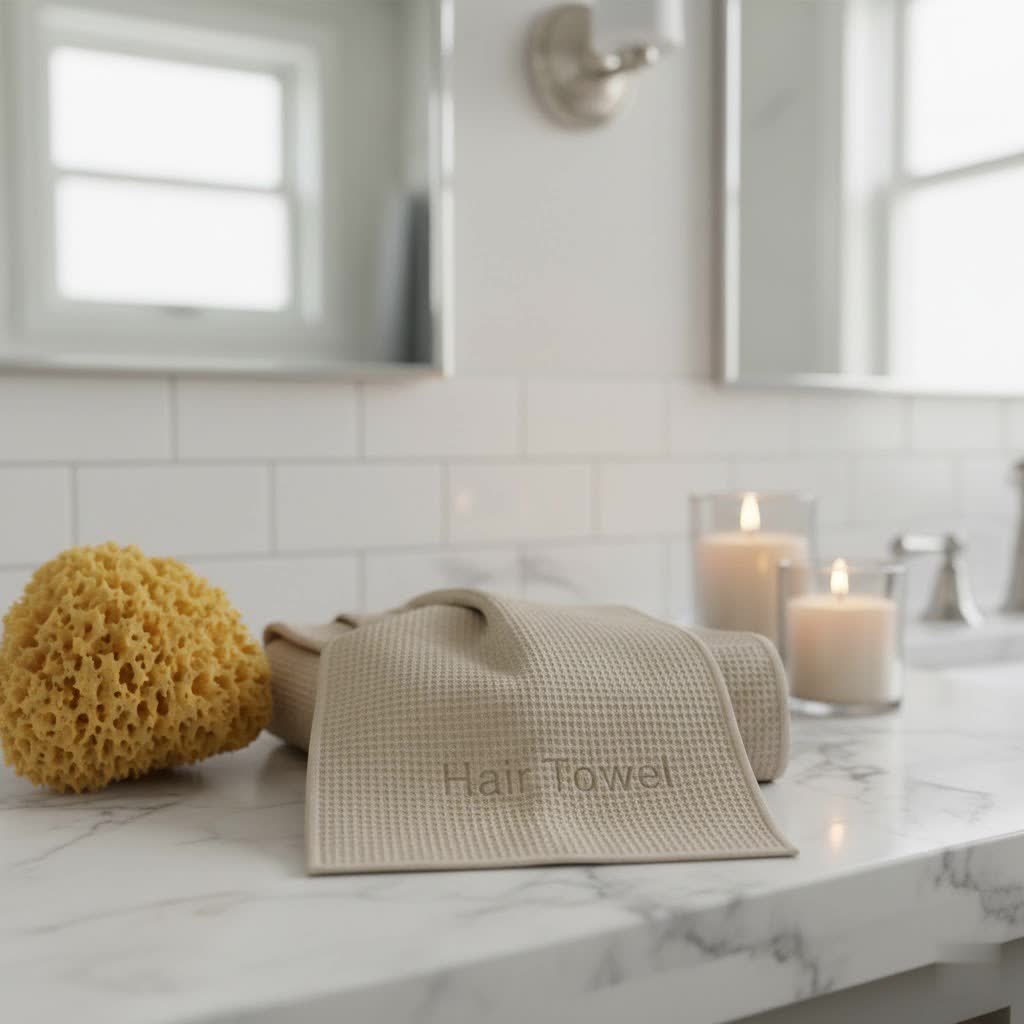
A hair towel is a specially designed towel, often in a turban or wrap shape, created to dry hair gently and efficiently. Unlike bulky bath towels, hair towels are typically made from materials engineered for superior absorbency and minimal friction. Their primary purpose is to draw excess water from wet hair quickly, significantly reducing drying time and minimizing the need for harsh rubbing or heat styling, which are common culprits behind hair damage.
Using a dedicated hair towel instead of a regular bath towel is a simple switch that yields significant benefits. Traditional terrycloth towels, while soft for the body, have coarse loops that can snag and pull at wet hair, leading to frizz, tangles, and breakage. They are also often heavy, causing strain on the neck when wrapped. Hair towels, on the other hand, offer a lighter, gentler, and more effective drying experience, preserving your hair’s health and natural beauty.
Popular Types of Hair Towels
The market offers a variety of hair towel types, each with distinct characteristics. While our focus is on microfiber, understanding other materials can help you appreciate why microfiber often stands out.
Microfiber Towels
Microfiber hair towels are crafted from ultra-fine synthetic fibers, typically a blend of polyester and polyamide. These fibers are incredibly dense and often “split,” creating a vast surface area that allows them to absorb a remarkable amount of water rapidly and efficiently.
-
Advantages:
- Exceptional Absorbency: Dries hair significantly faster than cotton, often cutting drying time in half.
- Reduces Frizz and Breakage: The smooth, fine texture creates less friction against the hair cuticle, preventing frizz, static, and snagging that leads to breakage.
- Gentle: Kinder to delicate wet hair, minimizing damage from harsh rubbing or twisting.
- Lightweight: Comfortable to wear and reduces strain on the neck.
- No Lint: Tightly woven structure means no annoying lint left on your hair.
- Travel-Friendly: Compact and easy to pack for on-the-go hair care.
-
Disadvantages:
- Synthetic Material: Not a natural fiber, which some prefer to avoid.
- Potential for Static: Can sometimes generate a small amount of static, though typically less than rough cotton.
- Requires Specific Care: Improper washing can reduce absorbency (e.g., avoiding fabric softeners).
|
Our Picks for the Best Hair Towel in 2026
As an Amazon Associate I earn from qualifying purchases.
|
||
| Num | Product | Action |
|---|---|---|
| 1 | Hicober Microfiber Hair Towel Wrap, Fast Drying Hair Towels for Women, Soft Lightweight Quick Dry Turban for Curly & Long Hair–3 Pack(Blue/Grey/Pink) |

|
| 2 | 2 Pack Microfiber Hair Towel Wrap for Women, Anti Frizz Quick Drying Hair Turban for All Hair Style, Absorbent and Lightweight (Beige) |
|
| 3 | Super Absorbent Hair Towel Wrap for Wet Hair, 2026 New Soft Bow Tie Wet Hair Towels Wrap for Women Accessories,Microfiber Hair Towel Wrap Women Quick-Drying Hair Towels (Blue) |
|
| 4 | 2 Pack Microfiber Hair Towel Wrap,Hair Drying Towel with Button, Hair Towel Turban,Quick Dry,Anti-frizz,Absorbent Head Towel (Pink&Beige) |
|
| 5 | 2PCS Ultra Absorbent Hair Quick Drying Towel, 2026 New Microfiber Hair Towel, Soft Bow Tie Wet Hair Towels Wrap for Women Girls (Rainbow Mix) |
|
| 6 | 2 Packs Large Microfiber Hair Towels for Women, Super Absorbent & Quick Dry Hair Towel Wrap for Curly Hair Long & Short Hair- Anti-Frizz Hair Turbans for Wet Hair - 27.5''*39.4'' |
|
| 7 | Hair Towel Wrap for Women, Microfiber Towels for Hair with Elastic Band, Large 24 x 42 Inch Hair Plopping Wrap for Curls, Quick Drying Towel Hair Wraps for Women for Home Gym Travel Use |
|
| 8 | Kitsch XL Microfiber Hair Towel Wrap for Women - Microfiber Towel, Super Absorbent, Quick Dry, Anti-Frizz - for Long & Short Hairs, Turbans for Women |
|
| 9 | HOMEXCEL 5 Pack Microfiber Hair Towels - 40 x 20 inches Super Soft, Fast Drying Turbans for Long, Thick, Curly Hair - Anti Frizz Wrap with Elastic Strap |
|
| 10 | BEoffer 2 Pack Microfiber Hair Towel - 41 x 24 inches Super Soft, Absorbent, Fast Drying Without Frizz Hair Towel Wrap for Women Long, Thick, Curly Hair - Hair Turbans with Elastic Strap |
|
Cotton Towels
Cotton is a natural fiber, well-known for its softness and breathability. While widely used for bath towels, dedicated cotton hair towels are also available, often featuring finer weaves than standard terrycloth.
-
Advantages:
- Natural Fiber: Preferred by those who seek natural materials.
- Softness: Can be very soft and gentle on the skin.
- Easy to Wash: Generally durable and easy to clean.
- Affordable: Often more budget-friendly than other options.
-
Disadvantages:
- Slower Drying: Less absorbent than microfiber, leading to longer drying times.
- More Friction: Even soft cotton can create more friction than microfiber, potentially causing frizz and tangles.
- Can Be Heavy: May still be heavier than microfiber, especially when wet, causing neck strain.
- Lint Shedding: Some cotton towels can shed lint onto the hair.
Bamboo Towels
Bamboo towels are made from fibers derived from bamboo pulp. They are celebrated for their natural properties and eco-friendliness.
-
Advantages:
- Eco-Friendly: Bamboo is a sustainable and fast-growing resource.
- Naturally Absorbent: Possesses good absorbency, though often slightly less than microfiber.
- Soft and Smooth: Known for a luxurious, silky feel that is gentle on hair.
- Hypoallergenic & Antibacterial: Naturally resistant to bacteria, making them a good choice for sensitive scalps.
-
Disadvantages:
- Higher Price Point: Generally more expensive than cotton or basic microfiber.
- Durability Concerns: Can be less durable than cotton or high-quality microfiber if not cared for properly.
- Availability: May be less readily available than cotton or microfiber options.
Silk Towels
Silk hair wraps are often considered the epitome of luxury hair care, known for their exceptionally smooth surface.
-
Advantages:
- Minimizes Friction: Extremely smooth, virtually eliminating friction, tangles, and frizz.
- Retains Moisture: Helps hair retain its natural moisture and oils, preventing dryness.
- Reduces Static: Excellent for preventing static electricity.
- Protects Styles: Ideal for sleeping or protecting intricate hairstyles.
-
Disadvantages:
- Very High Price: The most expensive option by far.
- Low Absorbency: Not designed for active water absorption, primarily for reducing friction and protecting hair (best for damp hair, or as a secondary layer).
- Delicate Care: Requires very gentle hand washing or dry cleaning.
- Less Durable: More prone to damage and wear compared to other materials.
Comparing Hair Towel Materials
Choosing the right hair towel depends on your priorities, hair type, and budget. Here’s a comparative look at the most popular materials:
| Material | Absorbency | Gentleness | Drying Speed | Weight | Price Range | Key Advantages | Key Disadvantages |
|---|---|---|---|---|---|---|---|
| Microfiber | High | Excellent | Very Fast | Lightweight | Medium | Fast drying, anti-frizz, gentle, durable | Synthetic, can require specific care |
| Cotton | Medium | Good | Moderate | Medium/Heavy | Low | Natural, soft, easy to wash, affordable | Slower drying, more friction, can shed lint |
| Bamboo | High | Excellent | Fast | Lightweight | Medium/High | Eco-friendly, soft, naturally antibacterial | Higher cost, less common |
| Silk | Low (protective) | Exceptional | Very Slow | Very Lightweight | Very High | No friction, moisture-retaining, reduces static | Very expensive, delicate care, low absorbency |
For those prioritizing quick drying, frizz reduction, and overall hair health, especially with the convenience of a hands-free wrap, microfiber stands out as the top choice.
How to Choose the Right Hair Towel Wrap Microfiber
Selecting the perfect microfiber hair towel wrap involves considering several factors to match your hair type and routine.
-
Identify Your Hair Type:
- Fine/Thin Hair: A lighter-weight microfiber towel will be gentle enough without overwhelming your strands.
- Thick/Long Hair: Opt for a larger towel (check dimensions) to ensure all your hair can be fully encapsulated and to maximize water absorption.
- Curly/Wavy Hair: Microfiber is excellent for these types, as it reduces frizz and helps maintain curl pattern. Look for specific “curl-friendly” designs or waffle weaves that further minimize friction.
- Damaged/Fragile Hair: The gentle nature of microfiber is ideal for preventing further stress on vulnerable hair.
-
Consider Size and Weight: A good hair towel should be large enough to comfortably wrap all your hair without being excessively heavy, which can cause discomfort or neck strain. Many microfiber wraps are lightweight by design, making them comfortable for extended wear.
-
Look for Secure Fasteners: The best hair towel wraps feature a button, elastic loop, or twist system to keep them securely in place. This allows for hands-free convenience while you go about your routine. Without a secure fastener, the towel can slip off, negating its benefits.
-
Read User Reviews: Customer feedback can offer valuable insights into a towel’s absorbency, fit, durability, and how it performs for different hair types. Look for consistent positive comments regarding its effectiveness in reducing drying time and frizz.
-
Research Brands and Suppliers: Opt for reputable brands known for quality hair care products. While some premium options exist, many effective microfiber hair towels are available at an accessible price point.
How to Use and Care for Your Hair Towel Wrap Microfiber Correctly
Maximizing the benefits of your microfiber hair towel wrap comes down to proper usage and maintenance.
Correct Usage for Optimal Results
- Gently Squeeze Excess Water: After washing, gently squeeze out as much water as you can from your hair with your hands. Avoid harsh wringing.
- Flip Your Hair: Bend forward at the waist, allowing all your wet hair to fall in front of you.
- Position the Towel: Place the widest end of the microfiber hair towel at the nape of your neck, ensuring the button (if present) is at the back. Alternatively, some wraps are designed to start with the wider end over your forehead, with the button at the nape once twisted.
- Gather and Twist: Gather all your hair inside the turban section of the towel. Then, twist the towel securely around your hair. Ensure it’s snug but not so tight that it causes discomfort or a headache.
- Secure the Wrap: Bring the twisted part back over your head and secure it using the attached button and elastic loop system, or by tucking it into the wrap.
- Hands-Free Drying: Leave the towel on for 10-30 minutes. The microfiber will efficiently absorb moisture, leaving your hair damp-dry and ready for styling or air drying.
- Gently Unwrap: When ready, gently unwrap the towel. Your hair should be significantly drier, smoother, and less prone to frizz.
Proper Care and Maintenance
To ensure your microfiber hair towel wrap remains effective and hygienic for a long time, follow these care tips:
- Wash Before First Use: Always wash your new hair towel before its initial use.
- Machine Washable: Most microfiber hair towels are machine washable. Check the product’s label for specific instructions.
- Use Gentle Detergent: Wash with a mild, color-safe detergent.
- Avoid Fabric Softeners: Fabric softeners can clog the tiny fibers of microfiber, reducing its absorbency over time.
- Wash Separately: To prevent lint transfer, wash your microfiber towel separately from cotton items, or with other lint-free items.
- Tumble Dry Low or Air Dry: Tumble dry on a low heat setting or air dry. High heat can damage the synthetic fibers. Avoid dryer sheets for the same reason you avoid fabric softeners.
- Do Not Bleach: Bleach can degrade microfiber material and affect its performance.
Top Hair Towel Wrap Microfiber Recommendations
The market offers many excellent microfiber hair towel wraps. While specific product availability varies, here are examples of highly-regarded options that exemplify quality and effectiveness:
- Volo Hero Microfiber Hair Towel: Praised for its thick, plush feel and exceptional absorbency, often cutting drying time by half. Features a secure strap to stay in place.
- Act+Acre Microfiber Hair Towel: A hairstylist-recommended option known for its waffle-weave texture that minimizes drying time and helps reduce breakage.
- Youlertex Microfiber Hair Towel: A budget-friendly choice that comes in a multi-pack, offering high absorbency and suitability for all hair lengths.
- Crown Affair The Hair Towel: A premium option recognized for its gentle material that prevents damage and leaves hair smooth and soft, often with a luxurious waffle-weave construction.
- DevaCurl DevaTowel: Specifically designed for curly hair, it effectively smooths strands, reduces static cling, and preserves natural curl patterns.
These examples illustrate the range of features and benefits you can expect from top-tier microfiber hair towel wraps.
Conclusion
Making the switch to a microfiber hair towel wrap is one of the most impactful yet simple changes you can implement for healthier, happier hair. By harnessing the advanced absorbency and gentle nature of microfiber, you can significantly reduce drying time, minimize frizz and breakage, and protect your precious strands from the wear and tear of traditional drying methods. It’s an investment in your hair’s long-term health, leading to smoother, shinier, and more manageable results with every wash.
Are you ready to transform your hair drying routine and experience the difference a microfiber hair towel wrap can make?
Frequently Asked Questions
What is the main benefit of a microfiber hair towel wrap?
The primary benefit is significantly faster drying time and reduced hair damage. Microfiber’s ultra-fine fibers absorb water more efficiently and gently than traditional cotton towels, leading to less friction, frizz, and breakage.
Can a microfiber hair towel wrap be used on all hair types?
Yes, microfiber hair towel wraps are beneficial for all hair types, including fine, thick, straight, wavy, curly, and damaged hair. They are particularly effective for curly and fragile hair due to their gentle, anti-frizz properties.
How long should I leave my hair in a microfiber towel wrap?
It’s generally recommended to leave your hair wrapped for about 10 to 30 minutes, or until your hair is damp rather than soaking wet. The exact time depends on your hair’s thickness and length, and the towel’s absorbency.
Is microfiber better than cotton for drying hair?
Yes, in most cases, microfiber is considered superior to cotton for hair drying. Microfiber is more absorbent, causes less friction, reduces frizz and breakage more effectively, and dries hair faster than traditional cotton towels.
How do I wash a microfiber hair towel to maintain its effectiveness?
Wash your microfiber hair towel in a washing machine with a mild, color-safe detergent. Crucially, avoid fabric softeners and bleach, as these can clog the fibers and reduce absorbency. Tumble dry on a low heat setting or air dry.
