Are you tired of battling frizz, breakage, and endless drying times after every wash? Many of us unknowingly inflict damage on our delicate strands by using harsh bath towels. But what if there was a simple, yet revolutionary, switch that could transform your hair care routine? Enter the drying towel for hair – a game-changer designed to gently wick away moisture, reduce friction, and leave you with healthier, happier locks. This comprehensive guide will explore everything you need to know to choose, use, and cherish the perfect hair towel for your unique needs.
What is a Drying Towel for Hair?
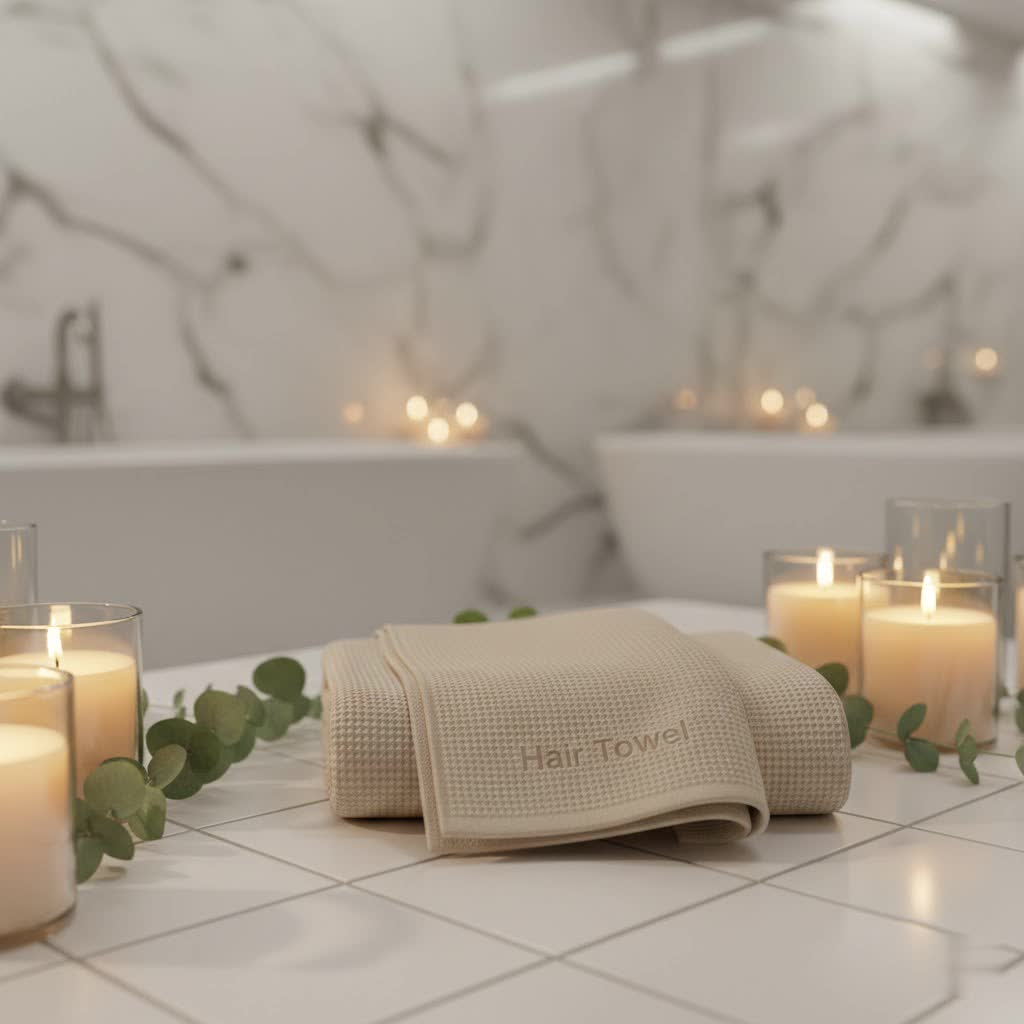
A drying towel for hair, often simply called a hair towel, is a specialized towel crafted to dry your hair more efficiently and gently than a traditional bath towel. Unlike the rough, heavy terry cloth towels commonly found in bathrooms, hair towels are typically made from advanced materials with enhanced absorbency and a smoother texture. Their primary purpose is to absorb excess water from your hair without causing the friction, pulling, and cuticle damage that leads to frizz, breakage, and dullness. By minimizing this damage, hair towels help preserve your hair’s natural oils, reduce the need for heat styling, and promote overall hair health.
Popular Types of Drying Towels for Hair
The market offers a variety of hair towel materials, each with its unique benefits and drawbacks. Understanding these differences is key to finding the best fit for your hair type and lifestyle.
Microfiber Towels
Microfiber is perhaps the most popular material for hair towels due to its exceptional absorbency and soft texture. These towels are made from ultra-fine synthetic fibers, much thinner than a human hair, which are split to create a vast surface area.
- Advantages: Microfiber towels are highly absorbent, significantly reducing drying time. They are lightweight, gentle on the hair, and minimize friction, which helps to prevent frizz and breakage. Their quick-drying nature also makes them less prone to mildew.
- Disadvantages: Some people find microfiber can cause static, especially in dry climates. They also require specific washing instructions (avoiding fabric softener) to maintain their absorbency.
|
Our Picks for the Best Hair Towel in 2026
As an Amazon Associate I earn from qualifying purchases.
|
||
| Num | Product | Action |
|---|---|---|
| 1 | Hicober Microfiber Hair Towel Wrap, Fast Drying Hair Towels for Women, Soft Lightweight Quick Dry Turban for Curly & Long Hair–3 Pack(Blue/Grey/Pink) |

|
| 2 | 2PCS Ultra Absorbent Hair Quick Drying Towel, 2026 New Microfiber Hair Towel, Soft Bow Tie Wet Hair Towels Wrap for Women Girls (Rainbow Mix) |
|
| 3 | 2 Pack Microfiber Hair Towel Wrap for Women, Anti Frizz Quick Drying Hair Turban for All Hair Style, Absorbent and Lightweight (Beige) |
|
| 4 | Hair Towel Wrap for Women, Microfiber Towels for Hair with Elastic Band, Large 24 x 42 Inch Hair Plopping Wrap for Curls, Quick Drying Towel Hair Wraps for Women for Home Gym Travel Use |
|
| 5 | HOMEXCEL 5 Pack Microfiber Hair Towels - 40 x 20 inches Super Soft, Fast Drying Turbans for Long, Thick, Curly Hair - Anti Frizz Wrap with Elastic Strap |
|
| 6 | 2 Packs Large Microfiber Hair Towels for Women, Super Absorbent & Quick Dry Hair Towel Wrap for Curly Hair Long & Short Hair- Anti-Frizz Hair Turbans for Wet Hair - 27.5''*39.4'' |
|
| 7 | 2 Pack Microfiber Hair Towel Wrap,Hair Drying Towel with Button, Hair Towel Turban,Quick Dry,Anti-frizz,Absorbent Head Towel (Pink&Beige) |
|
| 8 | Super Absorbent Hair Towel Wrap for Wet Hair, 2026 New Soft Bow Tie Wet Hair Towels Wrap for Women Accessories,Microfiber Hair Towel Wrap Women Quick-Drying Hair Towels (Blue) |
|
| 9 | BEoffer 2 Pack Microfiber Hair Towel - 41 x 24 inches Super Soft, Absorbent, Fast Drying Without Frizz Hair Towel Wrap for Women Long, Thick, Curly Hair - Hair Turbans with Elastic Strap |
|
| 10 | Kitsch XL Microfiber Hair Towel Wrap for Women - Microfiber Towel, Super Absorbent, Quick Dry, Anti-Frizz - for Long & Short Hairs, Turbans for Women |
|
Cotton Towels
While traditional bath towels are often cotton, specialized hair towels made from soft, high-quality cotton (like those found in t-shirts) offer a gentler alternative.
- Advantages: Cotton is a natural, breathable, and soft material that is gentle on the hair. It’s easy to wash and widely available, offering a familiar feel. High-quality cotton can be quite absorbent.
- Disadvantages: Cotton typically absorbs water slower than microfiber and takes longer to dry. Standard cotton towels can still cause friction and frizz if rubbed vigorously, so soft, smooth weaves are crucial.
Bamboo Towels
Bamboo fabric, derived from bamboo pulp, is celebrated for its natural properties and environmental friendliness.
- Advantages: Bamboo towels are incredibly soft, naturally antibacterial, and hypoallergenic, making them an excellent choice for sensitive scalps. They are also highly absorbent and quick-drying, comparable to microfiber, while being more sustainable.
- Disadvantages: Bamboo towels tend to be more expensive than cotton or standard microfiber options. They may also require delicate washing to maintain their softness and integrity.
Silk or Satin Towels
Silk and satin hair towels are often favored not for their primary drying capabilities, but for their ability to protect hair, especially delicate or curly textures.
- Advantages: These luxurious materials create minimal friction, significantly reducing frizz, tangles, and breakage. They help retain hair’s natural moisture, making them ideal for dry, damaged, or curly hair types. They can also protect hairstyles overnight.
- Disadvantages: Silk and satin are less absorbent than microfiber or bamboo, meaning they won’t dry your hair as quickly. They are often the most expensive option and require delicate hand washing.
Comparing Hair Drying Towel Materials
| Material | Absorbency | Durability | Price | Advantages | Disadvantages |
|---|---|---|---|---|---|
| Microfiber | High | Good | Medium | Very absorbent, fast-drying, lightweight, reduces frizz | Can cause static, specific washing required |
| Cotton | Medium | Good | Low | Soft, natural, breathable, easy to wash | Slower drying, can cause some friction (if not smooth) |
| Bamboo | High | Good | High | Extremely soft, antibacterial, eco-friendly, absorbent | Higher price point, may require delicate care |
| Silk/Satin | Low | Medium | Very High | Reduces friction, retains moisture, protects hair | Low absorbency, expensive, delicate care required |
How to Choose the Right Drying Towel for Your Hair
Selecting the perfect hair towel involves considering your hair type, specific needs, and personal preferences.
- Identify Your Hair Type:
- Fine or Damaged Hair: Opt for super gentle materials like soft cotton or silk/satin to minimize friction and prevent further damage.
- Thick or Coarse Hair: Microfiber or bamboo towels offer superior absorbency to significantly cut down drying time.
- Curly or Wavy Hair: Silk/satin helps maintain curl patterns and reduce frizz, while microfiber can also be effective if used gently.
- Oily or Normal Hair: Microfiber or bamboo are great all-rounders for efficient drying without added weight.
- Consider Size and Weight: A good hair towel should be lightweight and comfortably wrap around your head without being overly bulky. Smaller, specialized wraps are often more effective than full-sized bath towels.
- Evaluate Material and Weave: Look for smooth, soft textures. Avoid towels with large loops or rough surfaces that can snag and damage hair cuticles.
- Read User Reviews: Insights from other users with similar hair types can provide valuable information on a towel’s performance, durability, and true absorbency.
- Check for Fasteners: Many hair towels come with buttons or elastic loops to secure them in place, allowing you to move freely while your hair dries. This is a convenient feature to consider.
Proper Usage and Care for Your Hair Drying Towel
Even the best hair towel won’t perform optimally without correct usage and care.
How to Use Your Hair Towel
- Gently Squeeze Excess Water: After washing, gently squeeze out as much water as you can from your hair with your hands before wrapping.
- Flip Your Head: Lean forward, flipping your hair over your head.
- Position the Towel: Place the wider end of the hair towel at the nape of your neck, ensuring all your hair is gathered into the towel.
- Twist and Secure: Twist the towel firmly, but not too tightly, ensuring it’s snug against your head. Then, secure it by looping it through an elastic or button at the back of your head.
- Allow to Absorb: Leave the towel on for 10-20 minutes, or until it has absorbed a significant amount of moisture. Avoid vigorous rubbing, which can still cause friction.
- Unwrap Gently: Unwrap your hair, and proceed with air drying or gentle heat styling.
How to Wash and Care for Your Hair Towel
- Microfiber: Wash with similar colors in cold water on a gentle cycle. Avoid fabric softeners, which can clog the fibers and reduce absorbency. Air dry or tumble dry on low heat.
- Cotton: Machine wash warm or cold with like colors. Tumble dry low. Avoid harsh bleaches to preserve softness.
- Bamboo: Wash on a gentle cycle in cold water with a mild detergent. Avoid bleach and fabric softeners. Air dry or tumble dry on very low heat to prevent damage.
- Silk/Satin: Hand wash in cold water with a gentle, pH-neutral detergent. Avoid twisting or wringing. Lay flat to air dry away from direct sunlight.
What to Look for in a Quality Hair Towel
While recommending specific brands is challenging without up-to-date market data, focusing on key features will help you identify a high-quality drying towel for hair:
- High Absorbency: The primary function is to remove water quickly. Look for materials known for this, like high-grade microfiber or bamboo.
- Softness and Smoothness: A soft texture reduces friction, which is crucial for preventing frizz and damage.
- Lightweight Design: A lightweight towel won’t drag down on your head or neck, making it more comfortable during drying.
- Secure Fit: Features like elastic loops, buttons, or a turban-style design ensure the towel stays put, allowing you to go about your routine.
- Durable Construction: Quality stitching and materials ensure the towel withstands repeated washing and maintains its effectiveness over time.
- Quick Drying for the Towel Itself: A towel that dries quickly after use is more hygienic and ready for your next wash.
Conclusion
Making the switch to a dedicated drying towel for hair is a small change that can yield significant benefits for your hair’s health and appearance. By understanding the different materials available, choosing one suited to your hair type, and adopting proper usage and care techniques, you can drastically reduce frizz, minimize breakage, and achieve faster, gentler drying. Invest in your hair – it’s the crown you never take off! Which hair towel will become your new hair care essential?
Frequently Asked Questions
Can a regular t-shirt really work as a hair drying towel?
Yes, a soft cotton t-shirt can be an excellent alternative to a traditional bath towel for drying hair, especially for curly or fragile hair. Its smooth, fine fibers create less friction than terry cloth, helping to reduce frizz and breakage. While it may not be as absorbent as specialized microfiber or bamboo towels, it offers a gentle drying method that promotes healthier hair.
How often should I wash my hair drying towel?
It’s recommended to wash your hair drying towel after every 2-3 uses to maintain hygiene and prevent the buildup of oils, product residue, and bacteria. Regular washing also helps to keep the towel’s fibers fresh and absorbent, ensuring optimal performance with each use.
