Do you dream of perfectly defined, frizz-free curls without the hassle of heat styling? For years, traditional bath towels have been the go-to for drying hair, but they can be a silent culprit behind frizz, breakage, and dullness, especially for those with beautiful curly locks. If you’ve struggled with your curls feeling rough or looking unruly after a wash, it might be time to discover the game-changing secret: the curly hair towel wrap. These specialized towels are designed to treat your delicate curls with the care they deserve, promoting healthier, more vibrant hair. This comprehensive guide will explore everything you need to know about curly hair towel wraps, from their benefits and different types to how to choose and use them for optimal results.
What is a Hair Towel Wrap for Curly Hair?
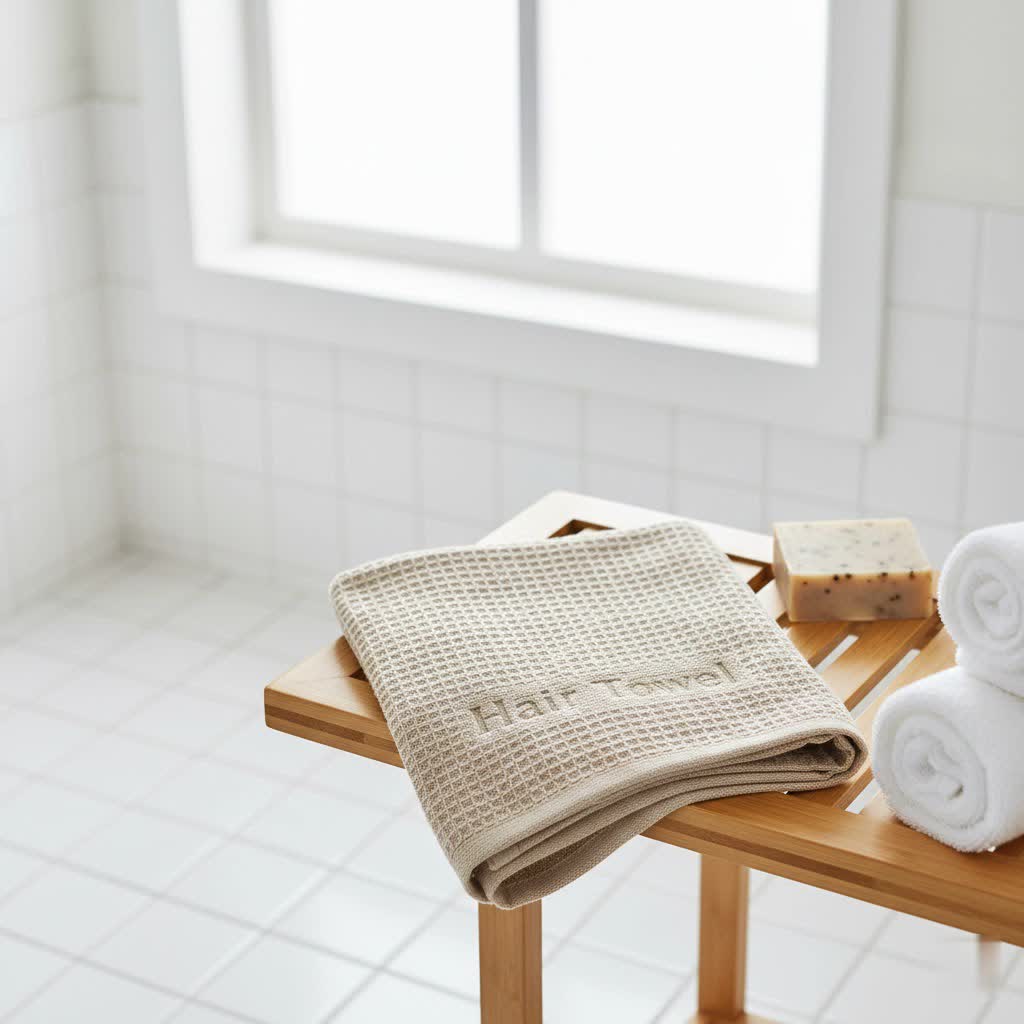
A hair towel wrap, specifically designed for curly hair, is a gentle and absorbent accessory used to dry wet curls without causing damage or frizz. Unlike conventional terrycloth towels, these wraps are crafted from materials that minimize friction and absorb excess water efficiently, allowing your curls to maintain their natural pattern and moisture balance. They are an essential tool for anyone following a curly hair care routine, aiming to enhance curl definition and reduce drying time without harsh rubbing or heat.
Why should you choose a specialized hair towel wrap over a regular bath towel? The coarse fibers and aggressive rubbing motion often associated with standard towels can lift the hair cuticle, leading to frizz, tangles, and even breakage. Curly hair is particularly vulnerable due to its unique structure, making a gentle drying method crucial. Hair towel wraps offer a soft embrace for your curls, preserving their integrity and promoting a smoother, shineless finish.
Popular Types of Hair Towel Materials
The effectiveness of a hair towel wrap largely depends on its material. Different fabrics offer unique benefits tailored to various hair needs and preferences. Understanding these differences will help you select the best option for your curly hair.
Microfiber Towels
Microfiber towels are incredibly popular for curly hair due to their ultra-fine synthetic fibers, which are tightly woven to create a smooth, highly absorbent surface.
- Advantages: Microfiber is exceptionally good at wicking away water quickly, significantly reducing drying time. Its smooth texture minimizes friction, leading to less frizz and breakage. These towels are also lightweight and durable.
- Disadvantages: Some lower-quality microfiber can sometimes cause static, though this is less common with high-quality options designed for hair. They require specific washing instructions to maintain absorbency.
|
Our Picks for the Best Hair Towel in 2026
As an Amazon Associate I earn from qualifying purchases.
|
||
| Num | Product | Action |
|---|---|---|
| 1 | Kitsch XL Microfiber Hair Towel Wrap for Women - Microfiber Towel, Super Absorbent, Quick Dry, Anti-Frizz - for Long & Short Hairs, Turbans for Women |

|
| 2 | Super Absorbent Hair Towel Wrap for Wet Hair, 2026 New Soft Bow Tie Wet Hair Towels Wrap for Women Accessories,Microfiber Hair Towel Wrap Women Quick-Drying Hair Towels (Blue) |
|
| 3 | 2 Pack Microfiber Hair Towel Wrap for Women, Anti Frizz Quick Drying Hair Turban for All Hair Style, Absorbent and Lightweight (Beige) |
|
| 4 | HOMEXCEL 5 Pack Microfiber Hair Towels - 40 x 20 inches Super Soft, Fast Drying Turbans for Long, Thick, Curly Hair - Anti Frizz Wrap with Elastic Strap |
|
| 5 | 2 Packs Large Microfiber Hair Towels for Women, Super Absorbent & Quick Dry Hair Towel Wrap for Curly Hair Long & Short Hair- Anti-Frizz Hair Turbans for Wet Hair - 27.5''*39.4'' |
|
| 6 | Hicober Microfiber Hair Towel Wrap, Fast Drying Hair Towels for Women, Soft Lightweight Quick Dry Turban for Curly & Long Hair–3 Pack(Blue/Grey/Pink) |
|
| 7 | 2PCS Ultra Absorbent Hair Quick Drying Towel, 2026 New Microfiber Hair Towel, Soft Bow Tie Wet Hair Towels Wrap for Women Girls (Rainbow Mix) |
|
| 8 | Hair Towel Wrap for Women, Microfiber Towels for Hair with Elastic Band, Large 24 x 42 Inch Hair Plopping Wrap for Curls, Quick Drying Towel Hair Wraps for Women for Home Gym Travel Use |
|
| 9 | BEoffer 2 Pack Microfiber Hair Towel - 41 x 24 inches Super Soft, Absorbent, Fast Drying Without Frizz Hair Towel Wrap for Women Long, Thick, Curly Hair - Hair Turbans with Elastic Strap |
|
| 10 | 2 Pack Microfiber Hair Towel Wrap,Hair Drying Towel with Button, Hair Towel Turban,Quick Dry,Anti-frizz,Absorbent Head Towel (Pink&Beige) |
|
Cotton Towels (T-Shirt Material)
While traditional terrycloth cotton is generally discouraged for curly hair, soft cotton, particularly the kind found in old t-shirts, has long been a DIY favorite for “plopping” curls.
- Advantages: Cotton is natural, breathable, and widely available. Soft cotton is gentler than coarse bath towels, reducing frizz and being kind to damaged strands.
- Disadvantages: It is less absorbent than microfiber or bamboo, meaning longer drying times. Regular cotton can still be too rough if not a very soft weave.
Bamboo Towels
Bamboo towels are gaining traction for their luxurious softness and eco-friendly properties. They are made from bamboo fibers, often blended with cotton for optimal performance.
- Advantages: Bamboo is naturally antibacterial, antifungal, and hypoallergenic, making it excellent for sensitive scalps. Its fibers are smooth and round, providing a silky feel that reduces friction and frizz. Bamboo is also highly absorbent and dries quickly, often boasting superior moisture-wicking properties.
- Disadvantages: Generally, bamboo towels are more expensive than microfiber or cotton alternatives.
Silk or Satin Wraps
While not primarily designed for aggressive water absorption, silk and satin wraps offer supreme gentleness and are often used for overnight protection or for a final, gentle dry.
- Advantages: Silk and satin are incredibly smooth, virtually eliminating friction and thus preventing frizz, breakage, and snags. They help retain hair’s natural moisture, making them ideal for delicate or high-porosity curls.
- Disadvantages: They are the least absorbent option and often the most expensive. Their primary role is protection and moisture retention rather than rapid drying.
Comparing Hair Towel Materials
To help you make an informed decision, here’s a detailed comparison of the most common hair towel materials:
| Material | Absorbency | Durability | Price Range | Key Advantages | Key Disadvantages |
|---|---|---|---|---|---|
| Microfiber | High | Good | Medium | Fast drying, reduces frizz, lightweight | Can cause static, needs specific care |
| Cotton | Medium | Good | Low | Natural, soft (t-shirt cotton), breathable | Slower drying, less frizz control |
| Bamboo | High | Good | High | Ultra-soft, anti-bacterial, eco-friendly, fast drying | Higher price point |
| Silk/Satin | Low | Fair | Very High | Eliminates friction, retains moisture, prevents frizz | Not for quick drying, delicate care required |
How to Choose the Right Hair Towel Wrap
Selecting the perfect hair towel wrap involves understanding your specific hair type and needs.
Identify Your Hair Type
- Fine/Delicate Hair: Look for ultra-soft, lightweight materials like high-quality microfiber or bamboo to prevent breakage and frizz.
- Thick/Dense Hair: You’ll benefit from highly absorbent materials like microfiber or bamboo to cut down on extensive drying time.
- Color-Treated/Damaged Hair: Gentleness is key. Silk or soft bamboo can help preserve moisture and minimize further damage, reducing the need for harsh drying.
- Oily/Normal Hair: Microfiber and bamboo are excellent for efficient drying without stripping natural oils.
Consider Size and Weight
Ensure the towel is large enough to comfortably wrap all your hair, especially if you have very long or thick curls. A lightweight towel will also be more comfortable to wear while your hair dries.
Check for User Reviews
Reading reviews from other individuals with curly hair can provide valuable insights into a towel’s performance, durability, and how well it lives up to its claims. Look for comments on frizz reduction, drying speed, and comfort.
Research Brands and Suppliers
Opt for reputable brands known for quality hair care products. Many brands specializing in curly hair offer their own line of hair towel wraps, often designed with specific curl patterns in mind.
Proper Usage and Care for Your Hair Towel Wrap
Using a hair towel wrap correctly is just as important as choosing the right one to maximize its benefits and ensure the longevity of your curls.
How to Wrap Your Hair (Plopping Technique)
Plopping is a popular method among curly-haired individuals that uses a towel wrap to scrunch and hold curls in an accordion-like shape, promoting definition and reducing frizz.
- Gently blot excess water: After washing and applying your leave-in conditioner or styling products, gently squeeze out excess water from your hair using your hands.
- Lay out your towel: Place your chosen hair towel wrap (microfiber or soft cotton t-shirt works best) on a flat surface, such as your bed or a chair, with the longest side facing you.
- Flip and “plop”: Carefully bend over, allowing your hair to fall towards the center of the towel, “accordioned” on top of your head.
- Wrap and secure: Bring the bottom edge of the towel up to the nape of your neck. Gather the sides of the towel and bring them forward, twisting them together over the top of your head. If your wrap has a button and loop, secure it. Otherwise, tuck the ends firmly.
- Wait it out: Leave the towel on for 10-20 minutes to absorb excess water. For more defined curls, some prefer to leave it on longer.
- Gently remove: Unravel the towel gently and allow your curls to air dry or diffuse as desired. Avoid disturbing the curls too much.
Washing and Maintaining Your Towel Wrap
Proper care extends the life of your hair towel and maintains its effectiveness.
- Wash gently: Most hair towel wraps, especially microfiber and bamboo, benefit from gentle machine washing in cold water with a mild detergent.
- Avoid fabric softener: Fabric softener can reduce the absorbency of microfiber and bamboo towels.
- Air dry or low heat: Tumble dry on low heat or, ideally, air dry to preserve the fibers and prevent damage.
Top-Rated Hair Towel Wraps for Curly Hair
Many excellent hair towel wraps are available, each offering unique features. Here are some highly-rated options often recommended by the curly hair community:
- DevaCurl DevaTwist Towel: Specifically designed for curly hair, its unique crescent shape helps secure curls without snagging. It’s known for its super absorbency and frizz-reducing properties.
- Turbie Twist Microfiber Hair Towel Wrap: A budget-friendly and widely popular option. Its tapered design and elastic loop make it easy to use and secure, effectively reducing drying time and frizz.
- VOLO Hero Microfiber Hair Towel: Praised for its ultra-soft nanoweave fabric that absorbs significantly more water than its weight, cutting dry time by half. It features a snug strap for secure wear.
- Kitsch Microfiber Hair Towel: Known for its soft, plush feel and ability to massively cut down drying time while being gentle on strands. Kitsch often features stylish designs.
- AQUIS Original Hair Turban: Made with proprietary Aquitex fabric, this turban is celebrated for drying hair up to 50% faster than traditional cotton towels while being lightweight and preventing frizz.
These options consistently receive positive feedback for their effectiveness in minimizing frizz, enhancing curl definition, and speeding up the drying process.
“Switching to a microfiber hair towel was one of the best decisions I made for my curls. The difference in frizz and definition was immediate and profound.” – Sarah J., Hair Care Enthusiast
Conclusion
Embracing a curly hair towel wrap is a simple yet impactful step towards healthier, more beautiful curls. By swapping out your harsh traditional bath towel for a gentle alternative like microfiber, bamboo, or even a soft cotton t-shirt, you can significantly reduce frizz, minimize breakage, and enhance your natural curl pattern. Experiment with different materials and the plopping technique to discover what works best for your unique hair. Investing in the right hair towel wrap is an investment in your hair’s health and beauty, transforming your wash day routine into a nurturing ritual.
Are you ready to give your curls the tender loving care they deserve and unlock their full potential?
Frequently Asked Questions
How long should I leave a hair towel wrap on?
Typically, you should leave a hair towel wrap on for 10 to 20 minutes to absorb excess water. For thicker hair or more curl definition, some people extend this to 30-60 minutes before air drying or diffusing.
Can I sleep with a hair towel wrap on?
While some satin or silk wraps are gentle enough for overnight wear to protect curls and reduce frizz, most absorbent drying wraps (like microfiber) are not designed for sleeping. They can create too much moisture for prolonged periods or be uncomfortable.
Is microfiber or bamboo better for curly hair?
Both microfiber and bamboo are excellent choices for curly hair, offering high absorbency and frizz reduction. Microfiber is often more accessible and budget-friendly, while bamboo is prized for its natural antibacterial properties, exceptional softness, and eco-friendliness, though it typically comes at a higher price. The “best” choice often comes down to personal preference and budget.
