Stepping out of the shower, do you ever find yourself wrestling with a heavy, bulky bath towel, only to be left with frizzy hair and damp shoulders? Traditional towel drying often leads to friction, breakage, and prolonged drying times, undoing all the good work of your shampoo and conditioner. Fortunately, there’s a simple, effective solution that can revolutionize your post-wash routine: the hair towel wrap. Designed specifically to gently absorb moisture without the harsh effects of a regular towel, a hair towel wrap is a game-changer for anyone seeking healthier, smoother, and quicker-drying hair. This comprehensive guide will explore everything you need to know about hair towel wraps, from their benefits and different types to how to choose, use, and care for them.
What Are Hair Towel Wraps and Why Use Them?
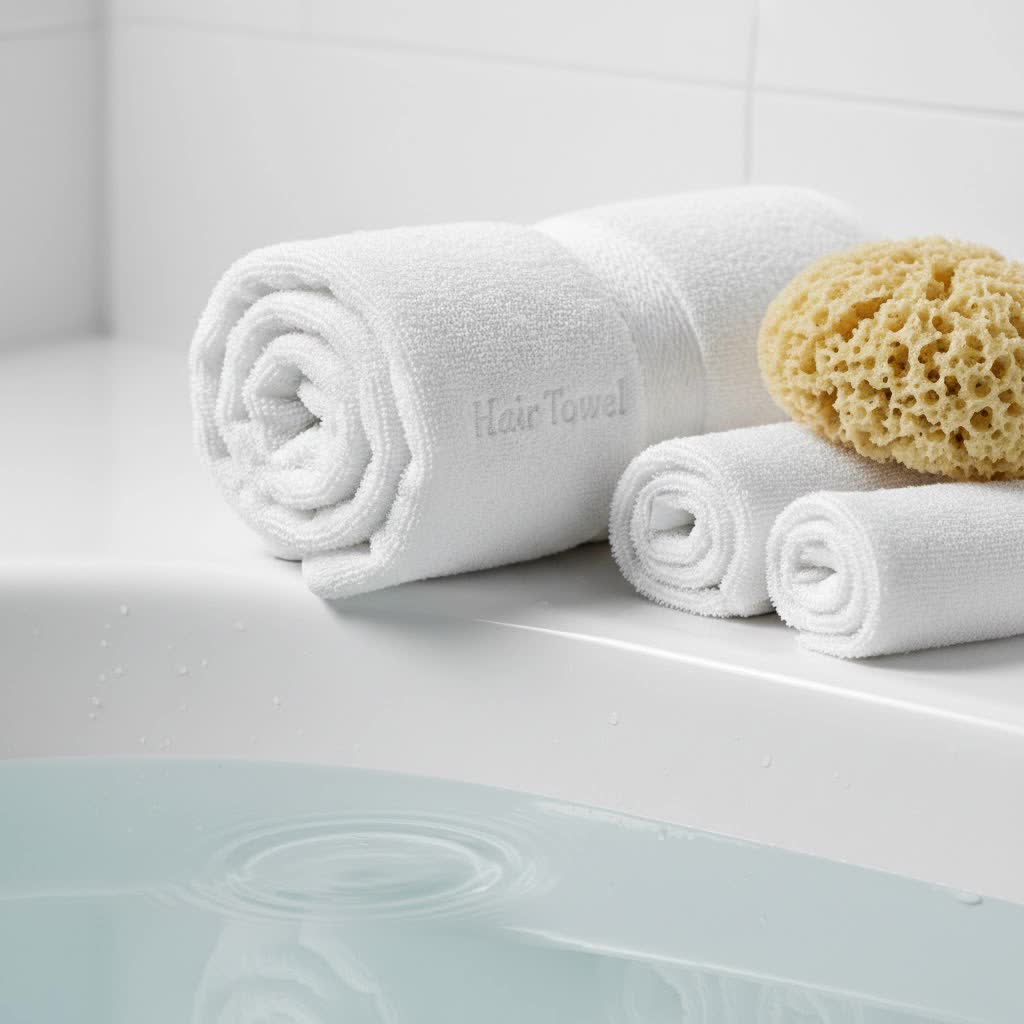
A hair towel wrap is a specially designed towel, often contoured or in a turban style, that securely holds wet hair while absorbing excess water. Unlike a standard bath towel, which can be rough and heavy, hair towel wraps are typically made from materials engineered for gentleness and superior absorbency.
Using a conventional cotton bath towel can be surprisingly detrimental to your hair. The coarse loops of terry cloth create significant friction when rubbed against wet strands, a state in which hair is most vulnerable. This friction can lift the hair cuticles, leading to frizz, snags, and even breakage. Furthermore, the sheer weight of a standard towel can put strain on your neck and hair roots. Hair towel wraps, on the other hand, offer a host of benefits that protect your hair and simplify your routine. They facilitate much gentler drying, significantly reduce overall drying time, combat frizz and flyaways, and help preserve the natural definition of curls and waves. Being lightweight and comfortable, they also reduce the need for harsh blow-drying heat, safeguarding your hair from potential damage. Many find them convenient for multitasking, as they stay securely in place, allowing you to get dressed, do makeup, or enjoy a coffee while your hair dries.
Popular Types of Hair Towel Wraps
The market offers a variety of hair towel wraps, each with distinct properties. Understanding the differences in materials can help you select the best option for your hair type and needs.
Microfiber Hair Towel Wraps
Microfiber is perhaps the most popular material for hair towel wraps due to its exceptional absorbency and soft texture. Composed of ultra-fine synthetic fibers, microfiber can absorb several times its weight in water, making it incredibly efficient at drying hair quickly.
- Advantages: Highly absorbent, fast-drying, lightweight, gentle on hair, significantly reduces frizz and breakage by minimizing friction. Many are durable and long-lasting.
- Disadvantages: As a synthetic material, some may be concerned about its environmental impact (though many brands now offer eco-friendly options). Lower-quality microfiber can sometimes cause static.
|
Our Picks for the Best Hair Towel in 2026
As an Amazon Associate I earn from qualifying purchases.
|
||
| Num | Product | Action |
|---|---|---|
| 1 | HOMEXCEL 5 Pack Microfiber Hair Towels - 40 x 20 inches Super Soft, Fast Drying Turbans for Long, Thick, Curly Hair - Anti Frizz Wrap with Elastic Strap |

|
| 2 | 2 Pack Microfiber Hair Towel Wrap for Women, Anti Frizz Quick Drying Hair Turban for All Hair Style, Absorbent and Lightweight (Beige) |
|
| 3 | 2 Pack Microfiber Hair Towel Wrap,Hair Drying Towel with Button, Hair Towel Turban,Quick Dry,Anti-frizz,Absorbent Head Towel (Pink&Beige) |
|
| 4 | BEoffer 2 Pack Microfiber Hair Towel - 41 x 24 inches Super Soft, Absorbent, Fast Drying Without Frizz Hair Towel Wrap for Women Long, Thick, Curly Hair - Hair Turbans with Elastic Strap |
|
| 5 | Hair Towel Wrap for Women, Microfiber Towels for Hair with Elastic Band, Large 24 x 42 Inch Hair Plopping Wrap for Curls, Quick Drying Towel Hair Wraps for Women for Home Gym Travel Use |
|
| 6 | Hicober Microfiber Hair Towel Wrap, Fast Drying Hair Towels for Women, Soft Lightweight Quick Dry Turban for Curly & Long Hair–3 Pack(Blue/Grey/Pink) |
|
| 7 | Super Absorbent Hair Towel Wrap for Wet Hair, 2026 New Soft Bow Tie Wet Hair Towels Wrap for Women Accessories,Microfiber Hair Towel Wrap Women Quick-Drying Hair Towels (Blue) |
|
| 8 | 2 Packs Large Microfiber Hair Towels for Women, Super Absorbent & Quick Dry Hair Towel Wrap for Curly Hair Long & Short Hair- Anti-Frizz Hair Turbans for Wet Hair - 27.5''*39.4'' |
|
| 9 | 2PCS Ultra Absorbent Hair Quick Drying Towel, 2026 New Microfiber Hair Towel, Soft Bow Tie Wet Hair Towels Wrap for Women Girls (Rainbow Mix) |
|
| 10 | Kitsch XL Microfiber Hair Towel Wrap for Women - Microfiber Towel, Super Absorbent, Quick Dry, Anti-Frizz - for Long & Short Hairs, Turbans for Women |
|
Cotton Hair Towel Wraps
While conventional cotton bath towels are often too harsh, specialized cotton hair towels offer a softer, more hair-friendly alternative. These are typically made from finer cotton weaves or even jersey cotton, similar to a t-shirt.
- Advantages: Natural, breathable, generally soft, and easy to wash. They provide a gentle alternative for those who prefer natural fibers.
- Disadvantages: Less absorbent and slower drying compared to microfiber. They may not offer the same level of frizz control as microfiber for all hair types.
Bamboo Hair Towel Wraps
Bamboo fabric is an increasingly popular choice for hair care due to its natural properties and environmental benefits. Derived from bamboo pulp, this material is known for its softness and sustainability.
- Advantages: Naturally antibacterial and hypoallergenic, making it excellent for sensitive scalps. It is highly absorbent and often feels incredibly soft and smooth, reducing friction. Bamboo is also considered an eco-friendly resource.
- Disadvantages: Generally more expensive than microfiber or cotton options due to its specialized production.
Silk/Satin Hair Wraps
Often chosen for their luxurious feel and delicate touch, silk and satin hair wraps are less about rapid water absorption and more about minimizing friction and preserving hair health.
- Advantages: Exceptionally gentle, they drastically reduce friction, which helps prevent breakage, frizz, and tangles. Ideal for delicate, curly, or color-treated hair, they help retain hair’s natural moisture and shine. They are also excellent for protecting hairstyles overnight.
- Disadvantages: Not designed for heavy water absorption, meaning hair will take longer to dry if used alone immediately after washing. They require more delicate care and are typically the most expensive option.
Comparing Hair Towel Wrap Materials
Choosing the ideal hair towel wrap depends largely on your hair type, desired drying speed, and personal preferences. Here’s a comparative overview to help you decide:
| Material | Absorbency | Durability | Price Range | Key Advantages | Key Disadvantages |
|---|---|---|---|---|---|
| Microfiber | High | Good | Medium | Fast drying, frizz reduction, lightweight, gentle | Synthetic, can sometimes cause static |
| Cotton | Medium | Good | Low | Natural, soft (if specialized), easy to clean | Slower drying, less frizz control than microfiber |
| Bamboo | High | Good | High | Eco-friendly, antibacterial, very soft, highly absorbent | Higher cost |
| Silk/Satin | Low | Medium | Very High | Minimizes friction, preserves moisture, gentle, reduces bedhead | Not for initial heavy drying, delicate care, costly |
Choosing the Right Hair Towel Wrap for Your Needs
With various options available, selecting the perfect hair towel wrap can seem daunting. Here’s a guide to help you make an informed decision based on your hair type and specific needs:
- Consider Your Hair Type:
- Fine or Delicate Hair: Opt for highly gentle materials like microfiber or silk to prevent breakage and tangles. Their smooth texture will be less abrasive.
- Thick or Long Hair: Prioritize high absorbency materials such as microfiber or bamboo to significantly reduce drying time. A larger size wrap will also be beneficial to contain all your hair.
- Curly or Wavy Hair: Microfiber is excellent for maintaining curl patterns and drastically reducing frizz. Silk or satin wraps can also be beneficial for preserving curl definition and moisture, especially overnight.
- Damaged or Color-Treated Hair: Gentle drying is paramount. Microfiber, bamboo, or silk will minimize further stress and help maintain hydration and color vibrancy.
- Oily Hair: Microfiber or bamboo can absorb excess moisture effectively without stripping natural oils entirely, helping to balance the scalp.
- Evaluate Size and Fit: Ensure the towel wrap is large enough to comfortably accommodate all your hair without being stretched too tightly. A secure fastening mechanism, such as a button and elastic loop, is crucial to keep the wrap in place as you move.
- Balance Absorbency and Gentleness: While high absorbency is desirable for faster drying, ensure the material is still gentle. Microfiber offers an excellent balance here, quickly absorbing water without being rough.
- Read User Reviews and Check Brand Reputation: Real-world feedback can provide valuable insights into a product’s effectiveness, durability, and comfort. Reputable brands often use high-quality materials and thoughtful designs.
How to Use and Care for Your Hair Towel Wrap
Using a hair towel wrap correctly can maximize its benefits and contribute to healthier hair. Proper care also ensures the longevity and hygiene of your wrap.
Correct Usage for Optimal Results
- Gently Squeeze Excess Water: Before reaching for your wrap, lightly squeeze excess water from your hair with your hands. Avoid rubbing or wringing your hair, as this can still cause friction.
- Detangle (Optional but Recommended): While your hair is still damp, gently detangle it with a wide-tooth comb. Some stylists even suggest applying a leave-in conditioner or hydrating mist at this stage to lock in moisture.
- Position the Wrap: Bend forward, allowing all your hair to fall over your head. Place the wider end of the hair towel wrap at the nape of your neck, ensuring it covers all your hair.
- Twist Gently: Gather all your hair inside the wrap. Begin twisting the towel gently, moving from the top of your head towards the ends of your hair. Ensure the twist is firm enough to hold but not so tight that it pulls on your scalp or hair roots.
- Secure in Place: Flip the twisted portion of the towel back over your head towards the crown. Secure it using the elastic loop and button, or by tucking it in, depending on the wrap’s design. The wrap should feel snug but comfortable.
- Allow to Absorb: Leave the hair towel wrap on for 10 to 30 minutes, depending on your hair’s thickness and desired dampness. For very thick hair, you might extend this to 30 minutes, but avoid leaving it on for excessively long periods, as it can trap moisture and create a damp environment, potentially leading to scalp issues.
- Unwrap and Finish: Gently unwrap your hair. Your hair should feel damp but not soaking wet, ready for air drying or styling with minimal heat.
Care and Maintenance
- Wash Frequently: To prevent the buildup of product residue, oils, and bacteria, wash your hair towel wrap regularly, ideally after every 2-3 uses.
- Follow Manufacturer’s Instructions: Always check the care label. Microfiber and silk, in particular, may have specific washing requirements.
- Gentle Washing: Use a mild detergent and wash on a gentle cycle with cold or warm water. Avoid using fabric softeners, especially on microfiber, as they can reduce its absorbency.
- Drying: Air dry your wrap whenever possible to preserve its fibers and elasticity. If using a dryer, tumble dry on a low heat setting. High heat can damage synthetic fibers and reduce the lifespan of the towel.
Top Hair Towel Wrap Features to Look For
When shopping for your ideal hair towel wrap, keep these key features in mind to ensure you get a high-quality product that delivers on its promises:
- Ultra-Absorbent Fabric: The primary function is to remove water efficiently, so look for materials known for high absorbency, such as premium microfiber or bamboo.
- Lightweight and Comfortable: A good hair wrap should feel light on your head, preventing neck strain and allowing you to move freely while it dries your hair.
- Secure Fastening: A reliable button-and-loop closure or an effective elastic band ensures the wrap stays in place, even with long or thick hair.
- Durable Construction: High-quality stitching and resilient fabric will ensure your hair towel wrap withstands frequent washing and lasts for a long time.
- Gentle on Hair: The material should have a smooth, soft texture that minimizes friction and is kind to your hair cuticles, helping to prevent frizz and damage.
Conclusion
Embracing a hair towel wrap in your hair care routine is a small change that yields significant benefits for the health and appearance of your hair. By opting for a gentle, absorbent wrap over a harsh bath towel, you actively work to reduce frizz, minimize breakage, cut down on drying time, and preserve your hair’s natural vitality. Whether you choose the quick-drying power of microfiber, the natural softness of bamboo, or the delicate touch of silk, a hair towel wrap is an investment in healthier, happier hair. Say goodbye to post-shower hair woes and hello to a smoother, more radiant mane. What kind of positive change will a hair towel wrap bring to your daily beauty ritual?
Frequently Asked Questions
How long should I leave a hair towel wrap on?
The optimal duration is typically 10 to 30 minutes. This allows the towel to absorb excess moisture without completely drying your hair or creating a damp environment that could be counterproductive. For very thick hair, you might lean towards the longer end of this spectrum.
Can hair towel wraps cause damage?
When used correctly, hair towel wraps are designed to prevent damage. However, wrapping your hair too tightly or leaving the towel on for an excessive amount of time could potentially cause stress to hair roots or create an overly moist environment on the scalp. Always ensure the wrap is snug but not constricting.
Are microfiber towels good for all hair types?
Yes, microfiber towels are generally excellent for all hair types. Their high absorbency and gentle nature make them particularly beneficial for thick, long, curly, or frizzy hair. Even fine or delicate hair can benefit from the reduced friction and quick drying time offered by microfiber.
How often should I wash my hair towel wrap?
It’s recommended to wash your hair towel wrap frequently, ideally after every 2-3 uses. This prevents the buildup of hair products, natural oils, and potential bacteria, ensuring your wrap remains hygienic and effective.
